  1. Home
  2. Mobile
  3. Android
  4. Legacy Archives

Supreme Court says no to NSA surveillance case

Add as a preferred source on Google

It looks like the Supreme Court will not take a look at the case pertaining to the legality of the National Security Agency’s surveillance program. At least, until it has gone through the appeals process in its entirety.

Back in December, U.S. District Court Judge Richard Leon sided with attorney and activist Larry Klayman, saying that the surveillance program, which involved collecting phone record metadata from citizens without their knowledge, violates the Constitution’s ban on unreasonable searches. More specifically, Leon ruled that the “bulk collection and querying of phone record metadata” likely violated the Fourth Amendment, though it “certainly does violate a reasonable expectation of privacy.”

Recommended Videos

The case’s plaintiffs, led by Klayman, then requested the Supreme Court to hear the case and make a final ruling rather than the case go through the U.S. Court of Appeals, where the gov’t can appeal the decision. Judge Leon did not believe that skipping the appeals court was warranted, and the Supreme Court decided as such.

According to the decision, Klayman and the other plaintiffs must go through the appeals court before requesting the Supreme Court to hear the case. Only then will the Supreme Court decide whether to hear it. The district court put an injunction against the NSA on hold pending a government appeal. Klayman said that the case is too important for the appeals court to wait on the district court for a decision.

The Obama administration and members of Congress plan to push legislation that would partially cripple the NSA’s bulk phone metadata collection program. The first bill is the End Bulk Collection Act of 2014.

Williams Pelegrin
Williams is an avid New York Yankees fan, speaks Spanish, resides in Colorado, and has an affinity for Frosted Flakes. Send…
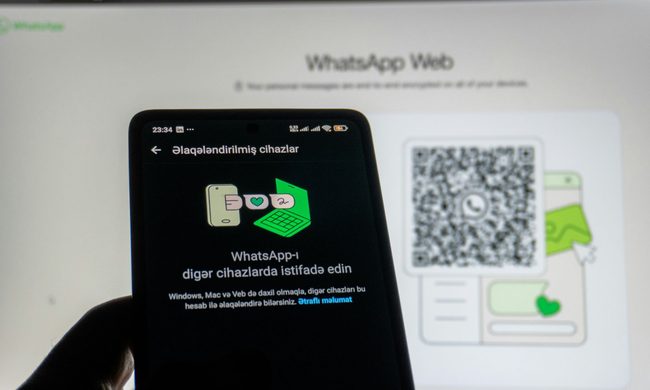
How to use WhatsApp Web
We'll show you how to use WhatsApp on your desktop or laptop
WhatsApp Web

As one of the most popular messaging services, you’ve already heard of WhatsApp. From its humble beginnings in 2009—two years before Apple introduced iMessage—to its acquisition by Facebook (now Meta) in 2014, WhatsApp has become the dominant messaging platform around the globe.

In recent years, it's grown even more potent with new features like video messages, self-destructing voice messages, the ability to edit sent messages, and more. We even finally got an WhatsApp iPad app in May 2025.

Read more
What is WhatsApp? How to use the app, tips, tricks, and more
From setting it up to mastering hidden features, here is your complete guide to WhatsApp.
Electronics, Phone, Mobile Phone

There's no shortage of messaging apps out there. The past decade has given us more options than we know what to do with, largely because smartphones demanded something better than plain old SMS.

Both the App Store and the Play Store are packed with apps that promise to revolutionize the way we communicate. Most of them didn't make it. The truth is, a messaging app is only as good as the number of people using it, and most apps never cross that threshold.

Read more
How to restore deleted or missing contacts on your iPhone
Lost your iPhone contacts? Here's how to get them back in minutes!
iPhone in hand showing restore contacts page

At some point, we all stopped memorizing phone numbers. It happened gradually, and now most of us can barely recall two or three phone numbers off the top of our heads. So when your iPhone contacts vanish, whether after a software update or an accidental delete, it can feel like a minor crisis.

Thankfully, if you act fast, you can easily restore deleted contacts on your iPhone. So, before you start texting people asking for their numbers again, try these methods to get your contacts back. These methods will work on all latest iPhone models.

Read more