1. Home
  2. Phones
  3. News

Samsung wants AI on basically every device you own

Samsung expands Galaxy AI push with deeper Gemini integration

Add as a preferred source on Google
The Samsung Galaxy S25 Ultra with the Galaxy AI screen.
Andy Boxall / Digital Trends

Samsung is going all-in on artificial intelligence, with its new co-CEO setting a massive target: doubling the number of Galaxy AI-enabled devices to 800 million by 2026. This aggressive expansion is more than just a numbers game; it’s a strategic play to win back the global smartphone crown and cement its partnership with Google as the AI wars heat up.

In his first major interview since taking the co-CEO role in November, TM Roh told Reuters that Samsung’s goal is to bake AI into “every product and every service” the company offers. Last year, Samsung already managed to get Galaxy AI onto about 400 million devices. By aiming for 800 million, they are essentially creating a massive, global highway for Google’s Gemini models to reach the pockets of nearly a billion people.

Recommended Videos

“Galaxy AI” is the brand’s catch-all term for tools that help you edit photos, translate calls in real-time, and summarize long documents. According to Roh, public awareness of these features has skyrocketed from 30% to 80% in just a single year. People aren’t just hearing about AI anymore; they’re actually using it in their daily routines.

This push isn’t happening in a vacuum

Samsung is feeling the heat from Apple, which has been nipping at its heels for the title of the world’s top smartphone maker. At the same time, Chinese competitors are flooding the market with high-spec, lower-cost devices. By leaning into AI, Samsung is trying to offer something its rivals can’t easily replicate at the same scale.

This also makes Samsung a kingmaker in the battle between Google and OpenAI. As the biggest player in the Android world, Samsung’s massive reach gives Google a huge “distribution” advantage. It’s no wonder that OpenAI reportedly went into a “code red” mode when Google’s Gemini 3 was unveiled alongside Samsung’s ambitious roadmap.

It’s not all smooth sailing, though

Ironically, while the global memory chip shortage is making Samsung’s semiconductor division a lot of money, it’s also making it much more expensive to build the actual phones. Roh admitted that price hikes might be on the horizon, though they are trying to find ways to keep costs in check so consumers don’t get hit too hard.
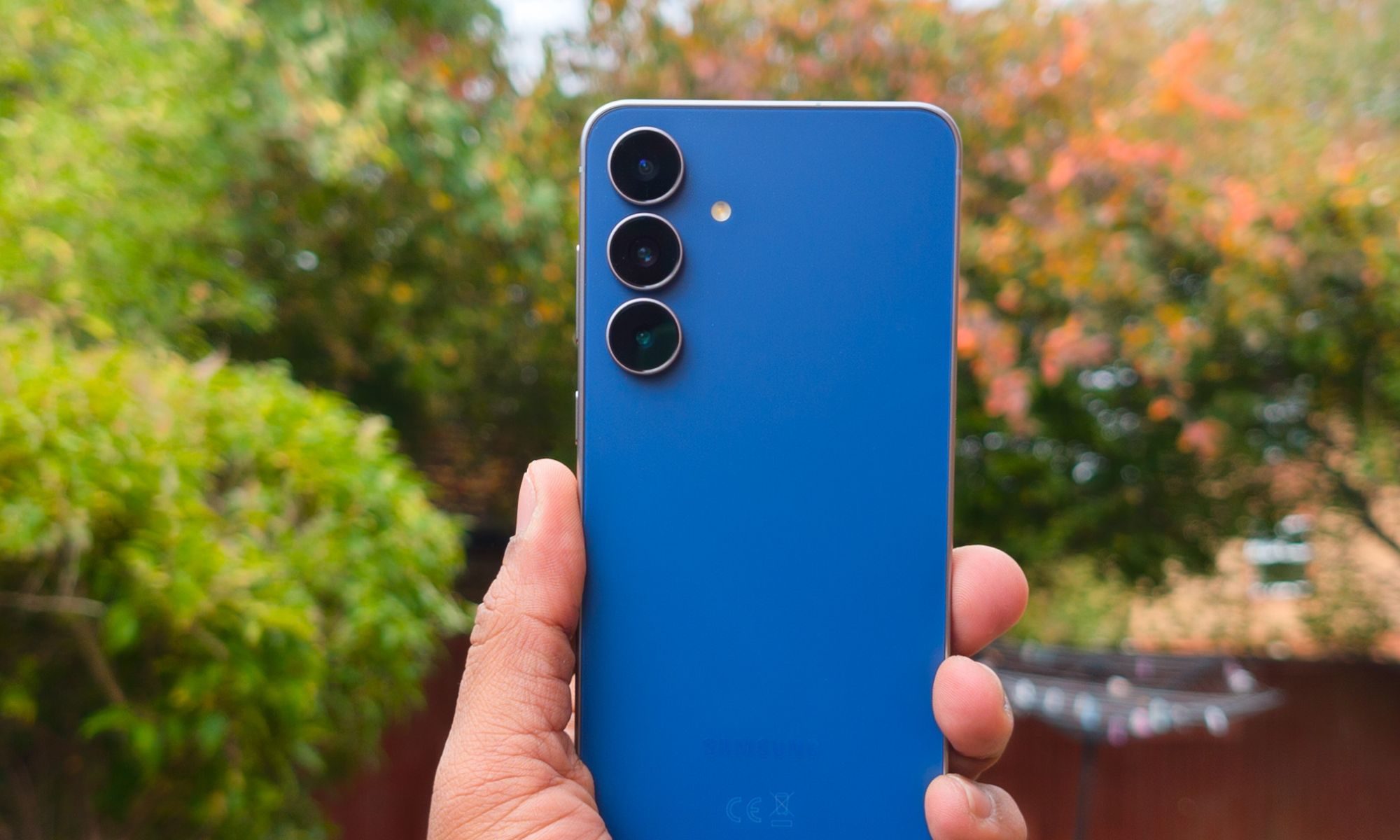
Looking forward, Samsung is betting that AI—combined with its leadership in foldable phones—will keep customers from jumping ship. Even though foldables have been a “slow burn,” Roh noted that once people switch to a fold, they almost never go back to a flat phone. For Samsung, the plan is simple: make AI so useful that a Galaxy phone becomes the essential gateway to the future of the internet.

Moinak Pal
Moinak Pal is has been working in the technology sector covering both consumer centric tech and automotive technology for the…
I won’t buy the Galaxy A37 at $450, but I strongly recommend these 4 terrific options
The Galaxy A37 5G isn't a bad phone, it's just surrounded by better ones that cost less and refuse to let you overpay for a mediocre smartphone.
Galaxy A37 5G camera module.

Samsung launched the Galaxy A37 5G at $449.99 for the baseline variant with 6GB of RAM and 128GB of storage. The smartphone is $50 more expensive than its predecessor, and to me, it looks like the premium is going straight into tackling the rise in component cost due to the ongoing memory crisis rather than providing meaningful upgrades. 

There are plenty of things that could justify the price hike on paper. For instance, the chipset upgrade, Snapdragon 6 Gen 3 to Exynos 1480, provides a low double-digit improvement in performance, which is barely noticeable for regular users. The phone sports a slightly higher HDR brightness (1900 nits vs. 1700 nits) and a better IP rating (IP68 vs. IP67).

Read more
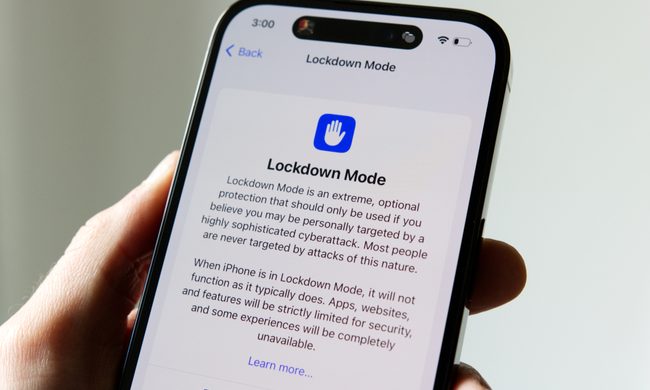
Apple says Lockdown Mode thwarted spyware attacks with a clean slate
Apple’s strongest defense is actually holding up
Lockdown Mode information page on an iPhone 14 Pro.

Apple says it has not seen a successful spyware attack on any iPhone with Lockdown Mode enabled, a claim it shared with TechCrunch.

Lockdown Mode arrived in 2022 as an opt-in feature for iPhone, iPad, and Mac. It was introduced as a stricter security mode for people at high risk of targeted attacks, such as journalists, activists, and government officials.

Read more
The Dynamic Island could shrink on the iPhone 18 series, and not just on the Pro models
One leaker, one claim, and a big question: is Apple genuinely ready to give every iPhone buyer the same design treatment as Pro owners this cycle?
Apple iPhone 17 Pro in Cosmic Orange leaning on a gray wall.

Apple’s Dynamic Island has been around long enough that most people have made their peace with it or forgotten it’s there. In fact, I’ve seen people associating the pill-shaped notch with newer iPhone models (released in the last 3 years). Now, a fresh leak suggests that the notch replacement is about to shrink, not just on the expensive models. 

What did the leaker actually say?

Read more