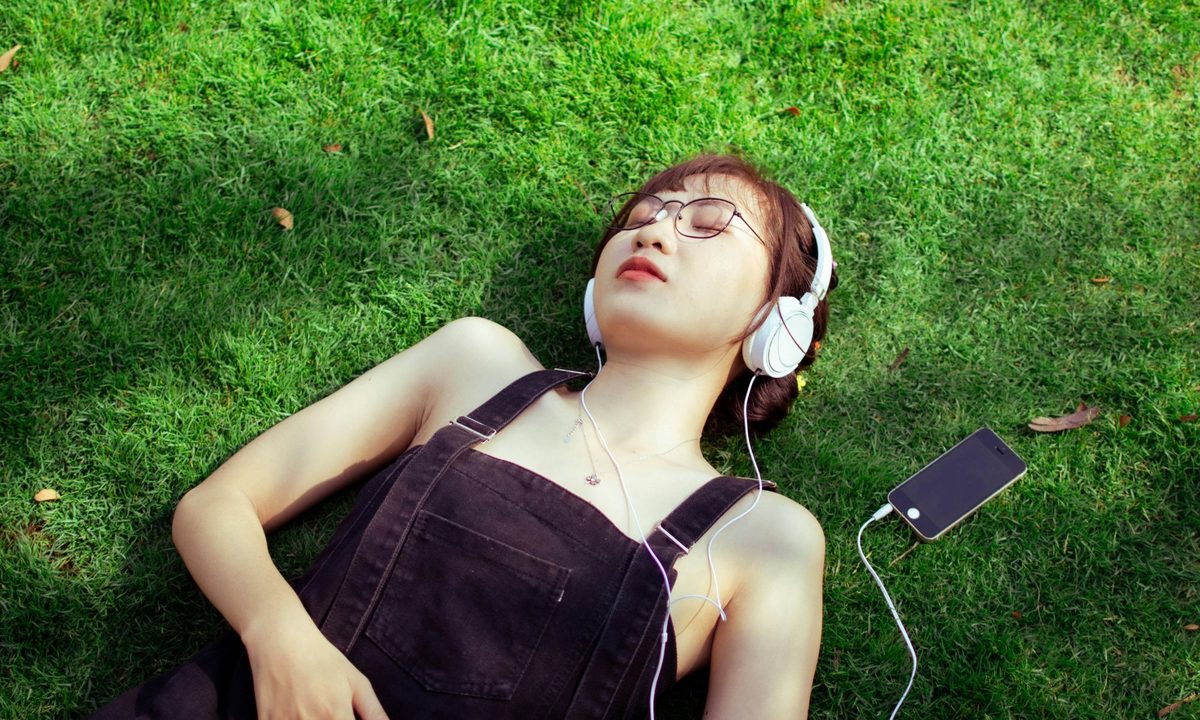
We all know that listening to a favorite playlist can turn a bad day around, but new science suggests that the benefits of music might go far deeper than just a temporary mood boost. A fascinating study published just this month in PLOS Mental Health has found that pairing music with something called Auditory Beat Stimulation (ABS) can significantly lower anxiety levels, even in people who are already taking medication for high trait anxiety.
For anyone who has ever felt like their traditional treatments aren’t quite getting them across the finish line, this offers a glimpse into a promising, low-cost future for mental health care.
The science behind the sound
The study was a randomized clinical trial involving 144 participants, all of whom were already managing high anxiety with medication. The researchers wanted to see if they could move the needle further using sound. They didn’t just play top-40 hits; they used specific music paired with ABS – subtle, rhythmic beats designed to influence brain activity. The idea is that these auditory pulses can help “entrain” the brain, gently nudging it into a calmer state.
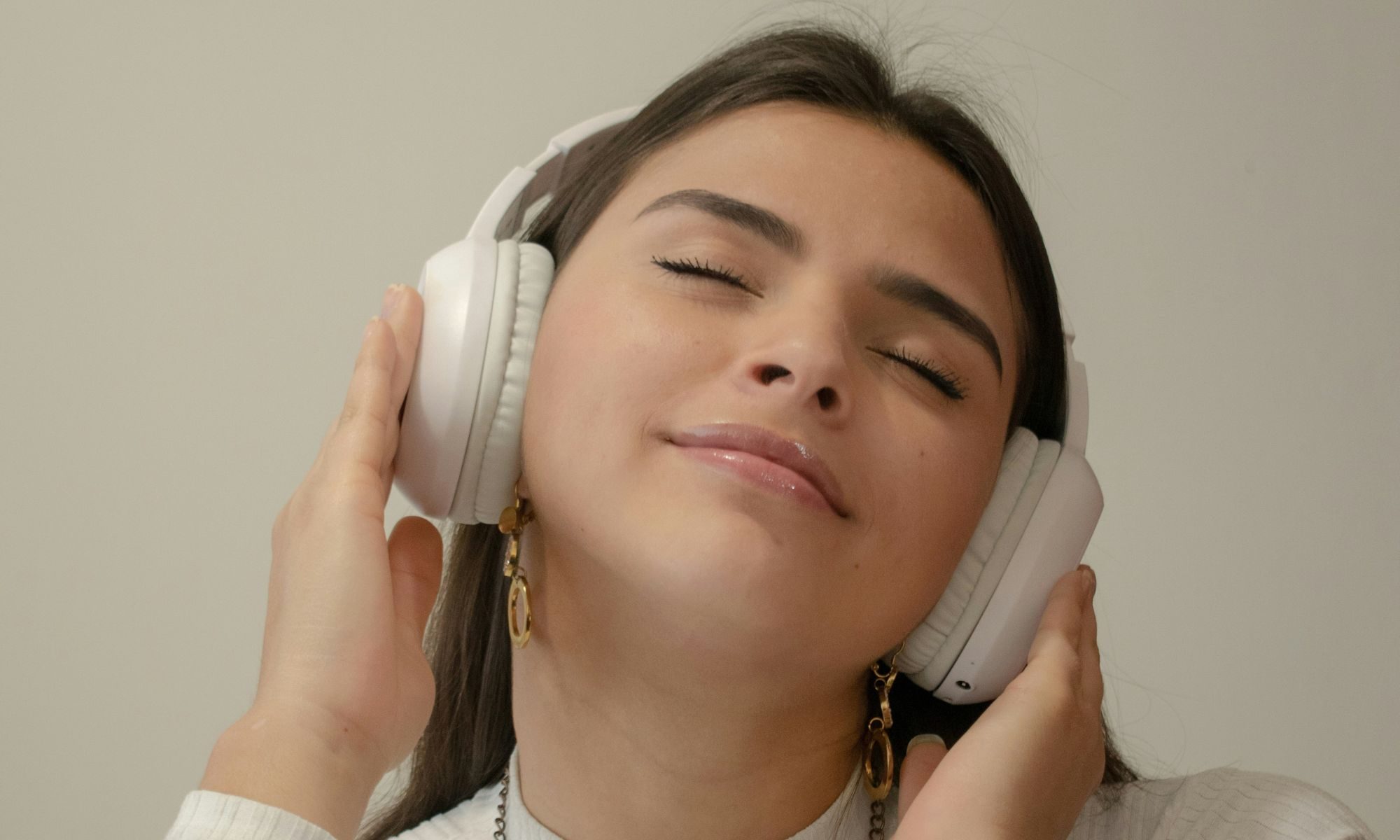
Participants were split into groups and asked to listen to either this specialized music or a control track of “pink noise” (similar to white noise but deeper and softer) for varying lengths of time: 12, 24, or 36 minutes. The results were telling. While the pink noise didn’t do much, the groups listening to the music with ABS reported significant drops in both “somatic” anxiety (the physical jitters and racing heart) and “cognitive” anxiety (the spinning thoughts and worry).
The “Goldilocks” zone
One of the most useful takeaways from the trial was the discovery of a “sweet spot” for listening time. While all the music sessions helped, the 24-minute mark seemed to be the most effective. It appears that 12 minutes might not be quite enough to fully shift the brain’s state, while 36 minutes didn’t offer enough extra benefit to justify the longer time commitment. Twenty-four minutes is the perfect length – long enough to work, but short enough to fit into a lunch break or a commute.

Anxiety is stubborn
Even with therapy and prescriptions, many people live with a low-level hum of stress that never quite goes away. What makes this research so exciting is its accessibility. Traditional therapy is expensive and requires appointments; medication has side effects. This method, however, effectively puts a therapeutic tool in your pocket.
We already know that music triggers dopamine release and lowers stress hormones like cortisol. By supercharging that natural effect with Auditory Beat Stimulation, we might be looking at a new form of “digital medicine” that anyone can use, anywhere, for free.
Of course, the researchers are careful to point out that this isn’t a magic bullet. Music with ABS isn’t going to replace your therapist or your prescription. However, it does provide a powerful supplementary tool for those moments when you need extra help regulating your emotions. As we look toward the future, it is easy to imagine apps that personalize these soundscapes to your specific needs, creating a world where managing an anxiety spike is as simple as putting on your headphones and closing your eyes for twenty minutes.