  1. Home
  2. Social Media
  3. News

YouTube is coming for celebrity deepfakes with new AI likeness detection tech

Celebrity deepfakes are in YouTube’s crosshairs with new AI detection tools

Add as a preferred source on Google
Phone in hand showing YouTube logo
Rachit Agarwal / Digital Trends

YouTube is cracking down on celebrity deepfakes, and this time around, it is not just talking about the problem in vague platform-safety terms. In a new blog post, YouTube announced that it is expanding its likeness detection technology to the entertainment industry.

So now, the tools will be accessible to talent agencies and management companies for the celebrities they represent. This tool works in a way that is similar to Content ID, but rather than matching copyrighted media, it looks for AI-generated content using a person’s likeness and gives eligible participants the ability to find that content and request removal.

Why this is YouTube’s answer to AI celebrity fakes
Recommended Videos

The Content AI comparison here is key, since that is exactly how YouTube wants people to think about this. If the system works well, it could give high-profile people a much faster way to spot fake videos using their face before those clips spread too far.

And yes, this is clearly about celebrity fakes first. YouTube’s expanded program is aimed at the entertainment industry right now, with support from major talent agencies and management companies, including CAA, UTA, WME, and Untitled Management.

The company has worked with those groups to refine how the tool should serve talent, which suggests this has been shaped around the practical needs of public figures rather than launched as a generic moderation experiment.
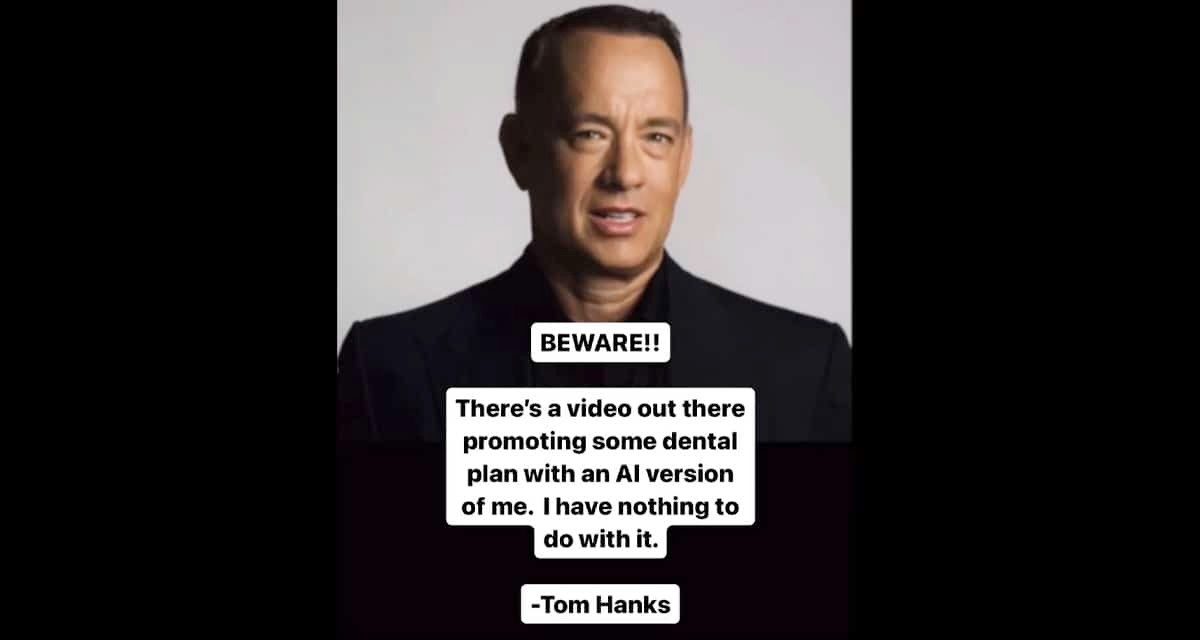
One notable detail in the announcement is that celebrities and entertainers are eligible to access the tool even if they do not have a YouTube channel. In other words, it isn’t just a creator perk and functions more like a platform-wide control system. Deepfake scams, fake endorsements, and manipulated celebrity clips are no longer fringe internet weirdness. They’re a real part of online dangers.

How far is YouTube taking this

As of right now, the announcement is focused on the entertainment industry. YouTube did not announce a broad public rollout that protects regular users. We also have no details regarding how fast the detection system is or how proactive the company will be against these deepfakes.

Vikhyaat Vivek
Vikhyaat Vivek is a tech journalist and reviewer with seven years of experience covering consumer hardware, with a focus on…
Meta wants you to pay for WhatsApp now, and it’s already testing the waters
WhatsApp

WhatsApp has been free for over a decade, but Meta is starting to change that. The company is testing a paid subscription tier called WhatsApp Plus, and if you haven't heard about it yet, you probably will soon. The rollout was first spotted by WABetaInfo, and Meta's own Help Center page has since confirmed some of the details. 

So, what do you actually get?

Read more
Tinder wants to check your humanity by gazing into an orb. Yes, you read that right
Staring into an orb to prove you are human is no longer science fiction.
tinder-world-id-human-verification

Online dating is already a trust minefield, and now Tinder wants to add an eyeball scan to the mix. The popular dating app has announced a global partnership with World, the biometric identity company founded by OpenAI's Sam Altman. To prove you are a real human on Tinder, you will soon have the option to get your eyes scanned by a physical orb device.

What is World ID and how does Tinder's human verification work?

Read more
I didn’t expect food reels to help my diet – but they might
Scroll now, snack less later
Representative Image

A new study led by researchers at the University of Bristol has found that people trying to resist food cravings may be using social media content featuring indulgent meals as a substitute for actually eating them. The findings challenge the long-held assumption that exposure to tempting food imagery leads to overeating.

The research, conducted in collaboration with the University at Buffalo School of Management, explored how visual engagement with food content influences eating behaviour. Across three experiments involving 840 participants aged between 19 and 77, researchers combined online surveys with a controlled laboratory study to examine how people respond to food-related media.

Read more