  1. Home
  2. Cars
  3. News

BYD’s blazing-fast Flash charging tech for EVs got hot enough to roast a turkey

A real-world test of BYD's Megawatt Flash Charge pushed battery temps to 169.6°F.

Add as a preferred source on Google
BYD Flash charging
Digital Trends

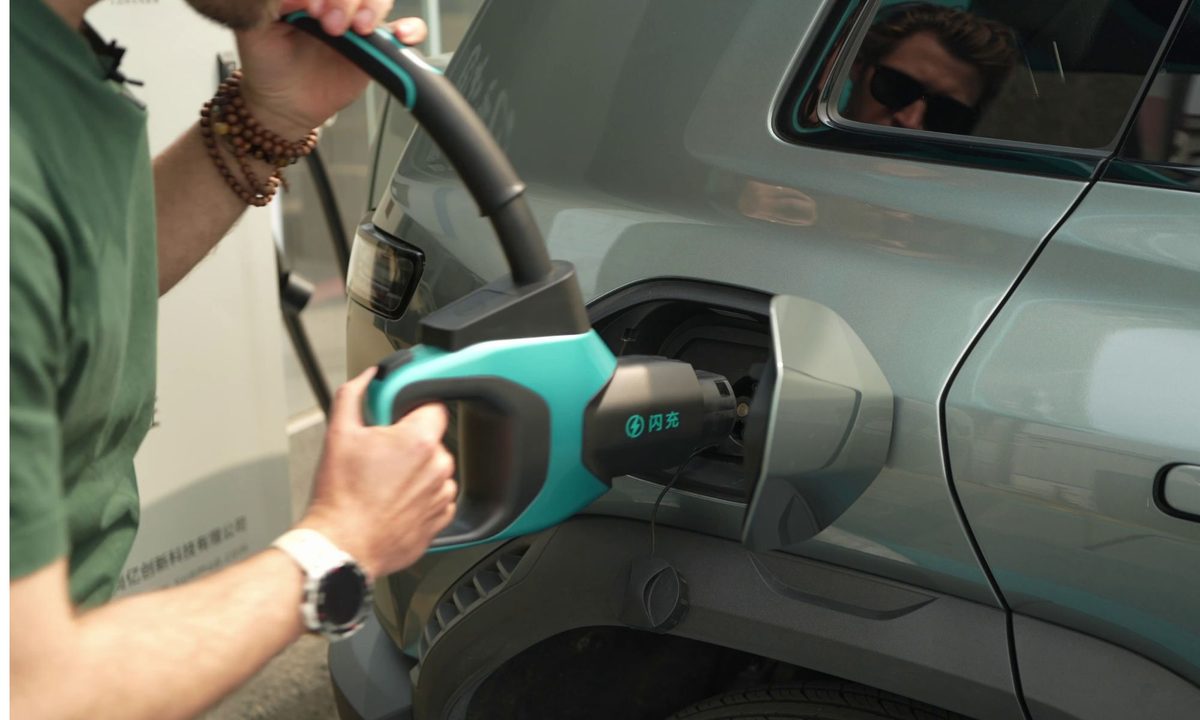
A real-world test of BYD’s Megwatt Flash Charge technology showed the battery hitting 169.6°F during a charging session. That’s hot enough to roast a turkey, and well above China’s recommended safety ceiling of 149°F for lithium iron phosphate battery cells. The test, conducted by an automotive blogger who livestreamed the session (via ChinaEVHome), has raised concerns about whether the heat generated by ultra-fast charging degrades long-term battery health.

Why the heat matters

Under normal driving and charging conditions, EV battery cells typically operate between 68°F and 86°F, with most vehicles flagging overheating warnings above 140°F. Temperatures in the range recorded during the test put stress on the Solid Electrolyte Interphase (SEI) layer, a protective barrier that keeps the electrolyte separated from the anode while still allowing lithium ions to flow.

Battery experts say this layer can start breaking down above 158°F. This raises questions about whether repeated exposure to such temperatures could accelerate battery wear over time.

Recommended Videos

BYD reportedly anticipated the scrutiny. When it unveiled the second-gen Blade Battery, company executives pointed to a lifetime warranty on battery cells and said the new pack raises capacity retention standards by 2.5% over the previous generation. BYD also demonstrated the battery’s resilience by deliberately short-circuiting four cells and leaving them in that state for 24 hours, with no fire or explosion reported.

The bigger picture

BYD is not alone in pushing the limits of charging speed. While its technology outpaces several automakers, including Tesla, Porsche, Hyundai, and Lucid, Chinese competitors like CATL and Geely have developed battery platforms with charging rates that exceed BYD’s current megawatt charging performance.

As the industry races toward ever-faster charging, managing heat without sacrificing battery longevity is becoming just as important as the speed itself. CATL has already claimed to have cracked the problem with its 5C lithium-ion battery, though the tech has yet to reach the market.

Pranob Mehrotra
Pranob is a seasoned tech journalist with over eight years of experience covering consumer technology. His work has been…
Electric cars are getting more pocket-friendly globally, except for US buyers
The US EV market's 2025 decline wasn't about consumer disinterest. It was the predictable result of eliminating financial incentives.
Porsche Cayenne Coupe electric

In 2025, one in four cars sold anywhere in the world was electric. However, in the US, that figure is closer to one in ten, and it is not moving in the right direction. 

The falling EV prices globally have pushed sales to record levels. American buyers, on the other hand, are marching through 2026 with fewer incentives, higher prices, and a shrinking selection of affordable options. 

Read more
Lexus halts plans of an electric car based on the stunning LF-ZC concept and it’s such a bummer
Lexus finally designed a gorgeous EV and then sent it to timeout
LF-ZC concept

Toyota and Lexus may have just shelved one of the most exciting electric vehicle concepts shown in recent years. According to reports from Automotive News and Nikkei Asia, Toyota has halted development of the next-generation Lexus EV that was expected to be based on the futuristic LF-ZC concept.

For EV enthusiasts and Lexus fans, the news is particularly disappointing because the LF-ZC represented one of the clearest signs that Lexus was finally preparing to make a serious leap into the premium electric future.

Read more
Rivian thinks Apple CarPlay is already obsolete and AI is the reason why
Rivian’s AI push could change how you use cars in the future
Rivian R2 in Catalina Blue.

Rivian has once again defended its controversial decision to skip Apple CarPlay and Android Auto, but this time the company says the future of in-car technology is moving beyond smartphone mirroring altogether. According to Rivian’s software leadership, rapid advances in artificial intelligence could soon make the entire CarPlay debate irrelevant.

The comments come as Rivian continues expanding its own AI-powered vehicle software ecosystem instead of adopting Apple’s popular in-car platform. For years, the company has faced criticism from buyers who wanted CarPlay support, but Rivian now believes AI assistants will eventually replace many of the functions drivers currently rely on through their phones.

Read more