The HomePod mini launched as Apple’s smaller and more affordable smart speaker, and on paper, not much has changed since then. The design is the same, the price has stayed consistent, and in 2026, it still looks almost identical to the version Apple introduced years ago.
However, expectations around smart speakers are very different now. Instead of focusing on specs alone, the bigger question is whether the HomePod mini still makes sense in everyday use, especially as competitors continue pushing smarter assistants, better flexibility, and stronger audio at similar prices
The design still works remarkably well
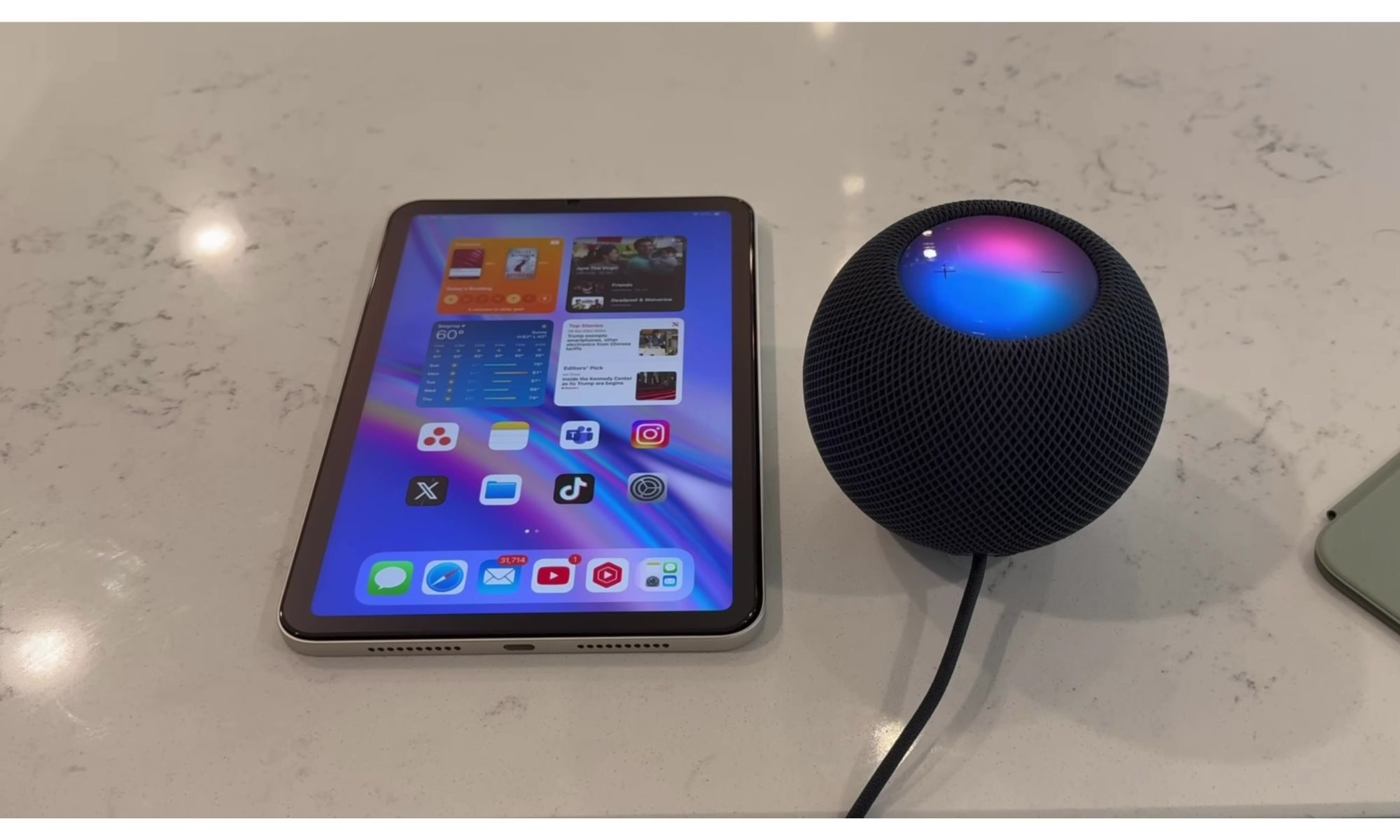
The HomePod mini’s spherical design continues to hold up better than most smart speakers in its price range. The mesh fabric exterior, compact footprint, and minimal top interface still feel intentional rather than overly decorative, which makes it easier to place in different parts of a home without drawing attention to itself. Its smaller size is also part of the appeal, since it fits comfortably on a desk, nightstand, kitchen counter, or living room shelf, while the different color options help it blend into a setup more naturally than larger speakers or soundbars.
The sound is better than its size suggests
For a speaker this small, the HomePod mini performs surprisingly well. It does not replace a dedicated soundbar or larger home audio setup, but it still delivers clear vocals, balanced mids, and enough bass to avoid sounding thin or overly sharp. More importantly, the tuning feels consistent across different kinds of content, whether it is music, podcasts, movies, or TV shows, which makes it easier to use as an everyday speaker instead of something limited to casual listening.
That becomes even more noticeable in smaller spaces, where the HomePod mini feels far more capable than its size would initially suggest. And while one speaker works well on its own, the experience changes considerably once it is paired with an Apple TV 4K.
Pairing it with an Apple TV makes a big difference
The HomePod mini becomes much more compelling if you already own an Apple TV 4K because Apple allows it to function as a default speaker for movies, streaming apps, and everyday viewing. The advantage here is not just about sound quality but also simplicity, since there is very little setup friction and audio stays synchronized without the kind of lag or connection issues that can affect some wireless speaker setups.
Using two HomePod minis pushes the experience further. Stereo pairing introduces proper left and right channel separation, a wider soundstage, and more immersive audio that feels closer to a compact home theater setup than a typical smart speaker arrangement. In smaller rooms or apartments, that can reduce the need for a separate soundbar entirely.
Apple’s ecosystem is still the biggest advantage
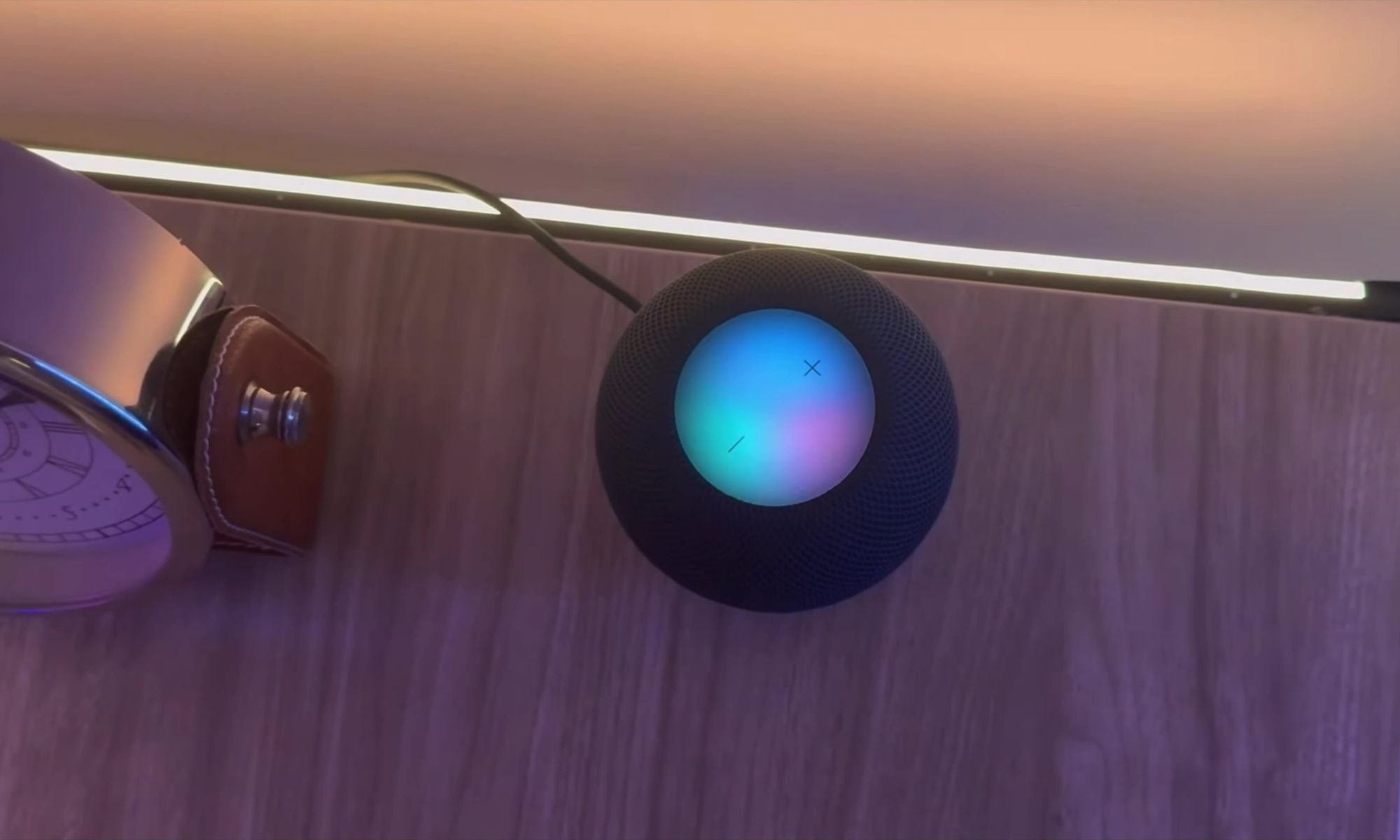
The HomePod mini makes the most sense for people already using Apple devices because the ecosystem integration continues to be its strongest feature. AirPlay works instantly, audio handoff between devices feels seamless, and features like intercom and smart home controls fit naturally into the broader Apple experience.
That convenience changes how often the speaker gets used throughout the day. Simple tasks like checking the weather, controlling lights, setting alarms, or moving audio between devices happen with very little friction, which is where the HomePod mini starts to feel less like a standalone speaker and more like part of a larger setup.
The limitations are still very real
The HomePod mini is also deeply tied to Apple’s ecosystem, and that remains one of its biggest weaknesses. There is limited flexibility for non Apple services, traditional Bluetooth freedom is absent, and Siri still falls behind competitors when it comes to intelligence and broader integrations.
That makes the experience harder to recommend for anyone outside Apple’s ecosystem, especially when competing smart speakers now offer stronger voice assistants and more open compatibility across platforms. Apple still wins on ecosystem integration, but that advantage matters far less if the rest of your devices are not already tied into its ecosystem.
So is it still worth buying?
For Apple users, the answer is still probably yes. The HomePod mini remains simple, compact, and reliable, while fitting naturally into Apple’s broader ecosystem strategy in a way that still feels polished several years later. If you already own an Apple TV 4K or plan to use two HomePod minis as a stereo pair, the overall experience becomes significantly more compelling for smaller living spaces.
For everyone else, the answer is less straightforward because the compromises become easier to notice once you step outside Apple’s ecosystem. And with rumors continuing to point toward a refreshed version later this year, it may also be worth waiting to see where Apple takes the HomePod mini next.