
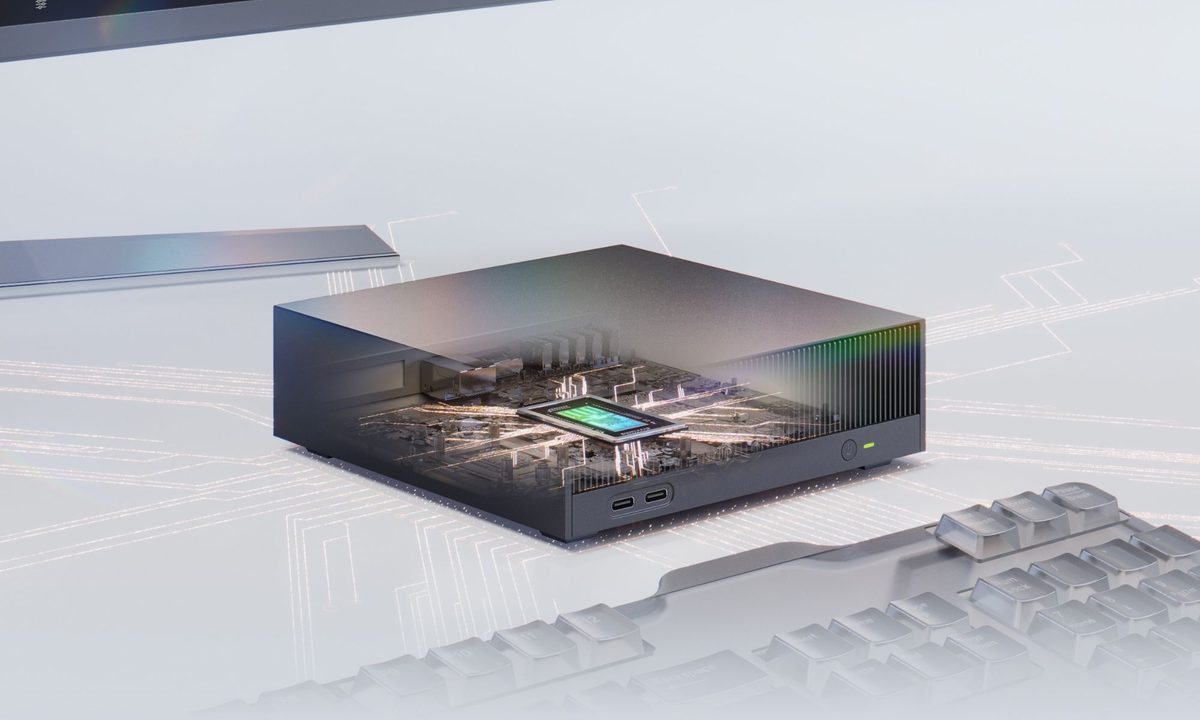

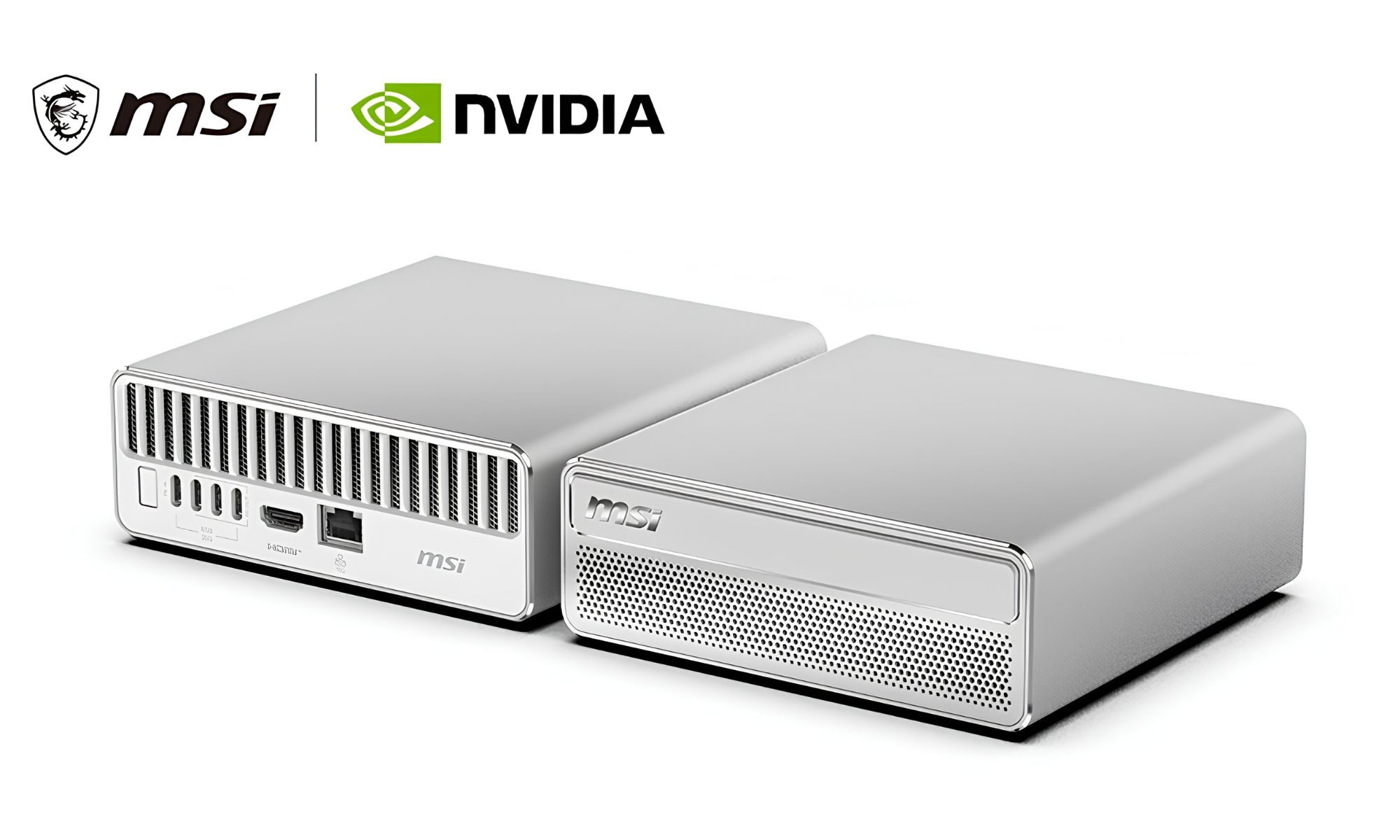
The battle for compact high-performance desktops is heating up, and Nvidia appears ready to enter territory long dominated by Apple’s Mac Studio. At Computex 2026, MSI unveiled a new AI-focused mini PC called the MSI EdgeMesa N AI, powered by Nvidia’s brand-new RTX Spark platform.
The launch signals Nvidia’s growing ambition to push AI computing beyond traditional gaming desktops and into compact creator and workstation machines. More importantly, it also shows PC brands moving aggressively toward Apple’s increasingly successful formula of powerful desktop performance inside small, minimalist systems.
A tiny AI workstation built around Nvidia’s new RTX Spark platform
MSI’s EdgeMesa N AI is one of the first mini PCs announced using Nvidia’s new RTX Spark chip architecture. The system is designed specifically for AI workloads, local generative AI applications, creative software acceleration, and edge computing tasks.
While MSI has not fully disclosed every hardware detail yet, the company confirmed the mini PC combines Nvidia RTX Spark graphics with Intel-based processing hardware inside a compact chassis aimed at creators, developers, and AI-focused users.
The system is being positioned less like a traditional gaming PC and more like a local AI workstation capable of handling generative AI models, accelerated creative tasks, and productivity workloads directly on-device. That positioning immediately invites comparisons to Apple’s Mac Studio, which has become increasingly popular among creators, video editors, and developers looking for desktop-class performance in smaller form factors.
MSI says the EdgeMesa N AI is designed for local AI inference, AI-assisted workflows, content creation, and advanced multitasking scenarios that traditionally required much larger desktop systems.
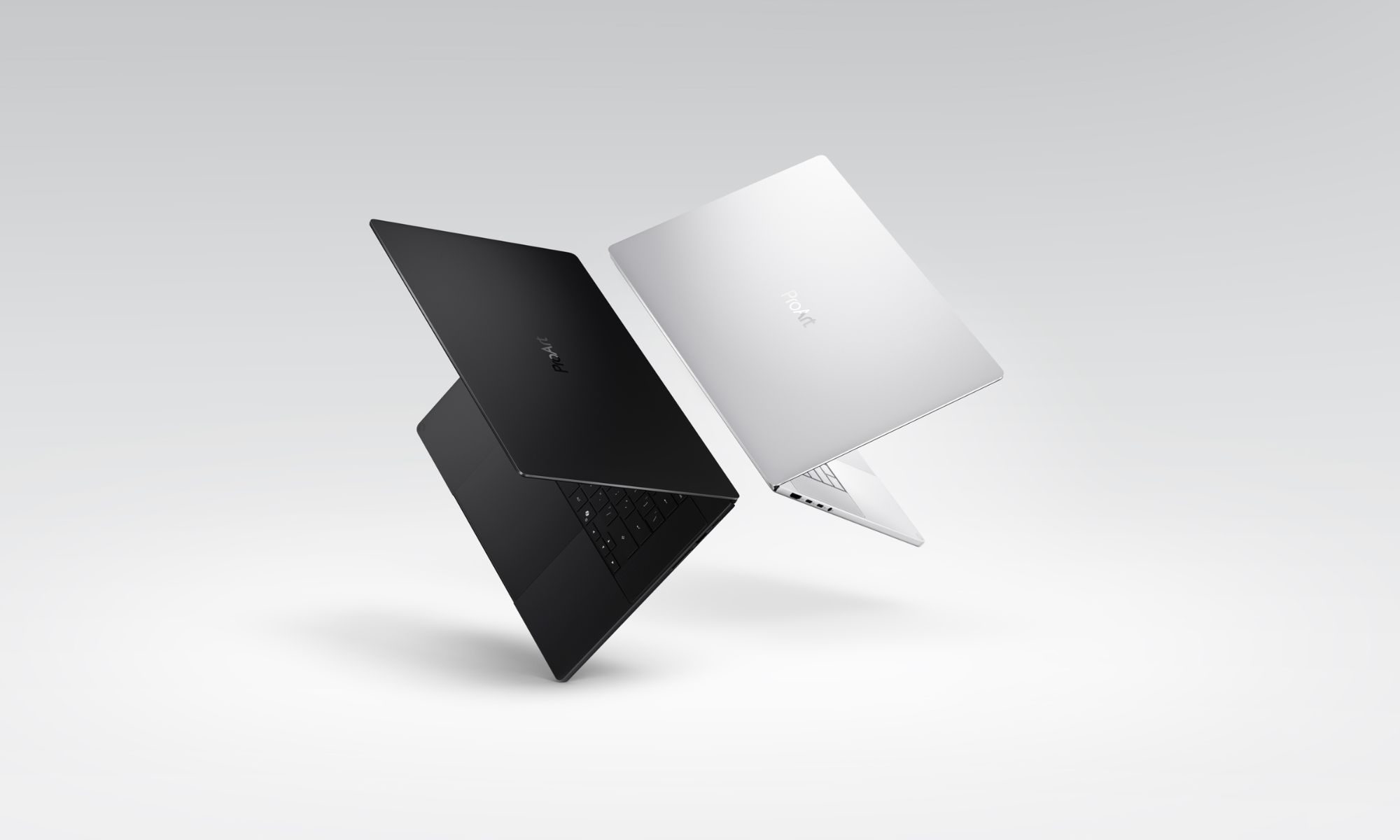
MSI is not alone either. Other PC manufacturers, including ASUS, are also expected to adopt Nvidia’s RTX Spark platform for their own compact AI-focused desktops. ASUS is also pushing the RTX Spark platform far beyond laptops with its new ProArt Mini PC, a compact workstation measuring just 150 × 150 × 51mm. Despite the small footprint, the system supports up to 128GB unified LPDDR5X memory, delivers up to 1 petaflop of AI performance, and uses Nvidia’s 20-core Grace CPU paired with a Blackwell RTX GPU featuring 6,144 CUDA cores.
ASUS says the mini PC can handle 90GB+ 3D scenes, 120B-parameter large language models with up to one million tokens of context, and AI-assisted creative workloads locally. It also includes 10GbE networking, PCIe Gen 5 x4 storage expansion, and a thermal solution rated for up to 140W sustained workloads.
Why this matters
For years, Apple largely dominated the premium compact workstation category with devices like the Mac Studio and Mac mini. Now, Nvidia, alongside major PC brands, appears ready to challenge that space directly. The RTX Spark platform represents Nvidia’s attempt to create a standardized AI-focused desktop ecosystem for Windows PCs, particularly as AI workloads become more important for creators, developers, researchers, and businesses.
The shift also highlights a much larger industry transition happening right now. AI acceleration is rapidly becoming just as important as traditional CPU and GPU performance in next-generation PCs.
What happens next
MSI has not yet confirmed pricing or final availability details for the EdgeMesa N AI. However, the company is expected to reveal more specifications and launch timelines later this year. ASUS is also preparing its own RTX Spark-powered ProArt Mini PC lineup, which takes the concept even further with up to 128GB unified LPDDR5X memory, Nvidia Blackwell-based graphics, 10GbE networking, PCIe Gen 5 storage support, and claimed AI performance reaching 1 petaflop in an ultra-compact chassis.
As more manufacturers adopt Nvidia’s RTX Spark platform, compact AI desktops could quickly become one of the biggest new hardware categories emerging after the generative AI boom. Instead of massive workstation towers, creators and developers may soon have access to AI-focused machines small enough to sit beside a monitor while still handling local LLMs, advanced rendering, and accelerated AI workflows.
The bigger question is whether Windows-based AI mini PCs from brands like MSI and ASUS can truly compete with Apple’s ecosystem advantage and silicon efficiency. But one thing is becoming increasingly clear: the fight for the future of desktop computing is no longer just about raw performance. It is increasingly about who can build the smartest AI workstation in the smallest possible box.


