  1. Home
  2. Wearables
  3. News

Oura reveals the two activities that its smart ring misreads as getting dirty in the sheets

The Oura Ring CEO just answered every awkward question you were too afraid to ask.

Add as a preferred source on Google
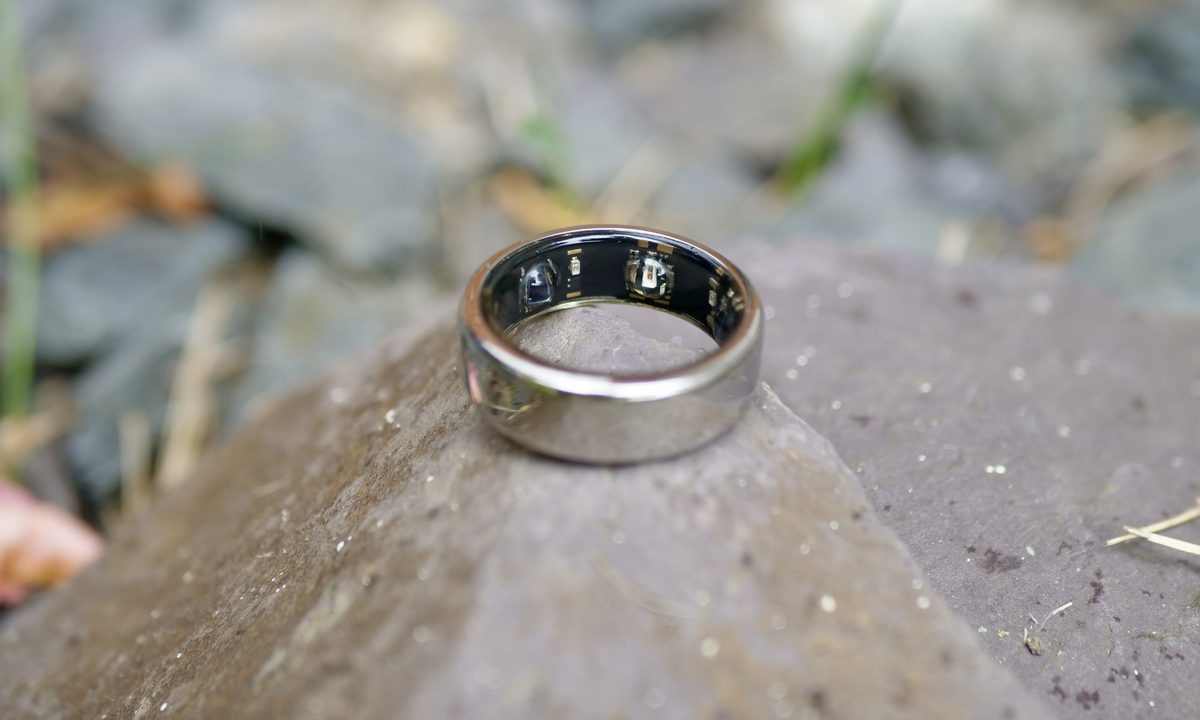
oura ring on a rock
Andy Boxall / Digital Trends

Oura CEO Tom Hale recently sat down with the Wall Street Journal to answer questions about the Oura Ring, and it was exactly as fascinating as you would expect. There are serious bits about health tracking and the future of AI doctors, but let’s address the elephant in the room first.

Oura CEO Tom Hale reveals the two activities the smart rings often mistake for sex.

In the full video, Hale discusses the new 40% smaller Oura Ring 5, health anxiety, and the activities Oura users want tracked most. 🎥 https://t.co/XjaY6BgWym pic.twitter.com/PvqijDyXod

— The Wall Street Journal (@WSJ) June 5, 2026

Can the Oura Ring detect sex?

Let’s get straight to the spicy stuff. The Oura Ring can technically make a pretty good prediction about whether you are, as Hale diplomatically puts it, engaged in that particular activity. 

Recommended Videos

But the company has made a very deliberate decision not to go there. However, users can manually tag an activity as sex in the app, so it’s not entirely off the table if that is something important to you.

The funnier part is what the ring misidentifies as sex. Hale shared that the Oura team discovered on Reddit that wrestling and horseback riding are the two activities most commonly flagged as, well, intimate activities. Hale shared this with a straight face and then said, “I’ll leave it there. You can draw your own conclusions.”

What else is the CEO spilling?

Beyond the spicy stuff, Hale had some genuinely interesting things to say. Sleep is the metric he cares about most, calling it the foundation of all health and recovery. Glucose, however, is his personal obsession, and it has cost him dearly. 

On the hardware front, Hale also talked about the upcoming Oura Ring 5, which is about 40% smaller than older versions and is aimed at people with smaller hands and men who want something closer to a wedding band in size. 
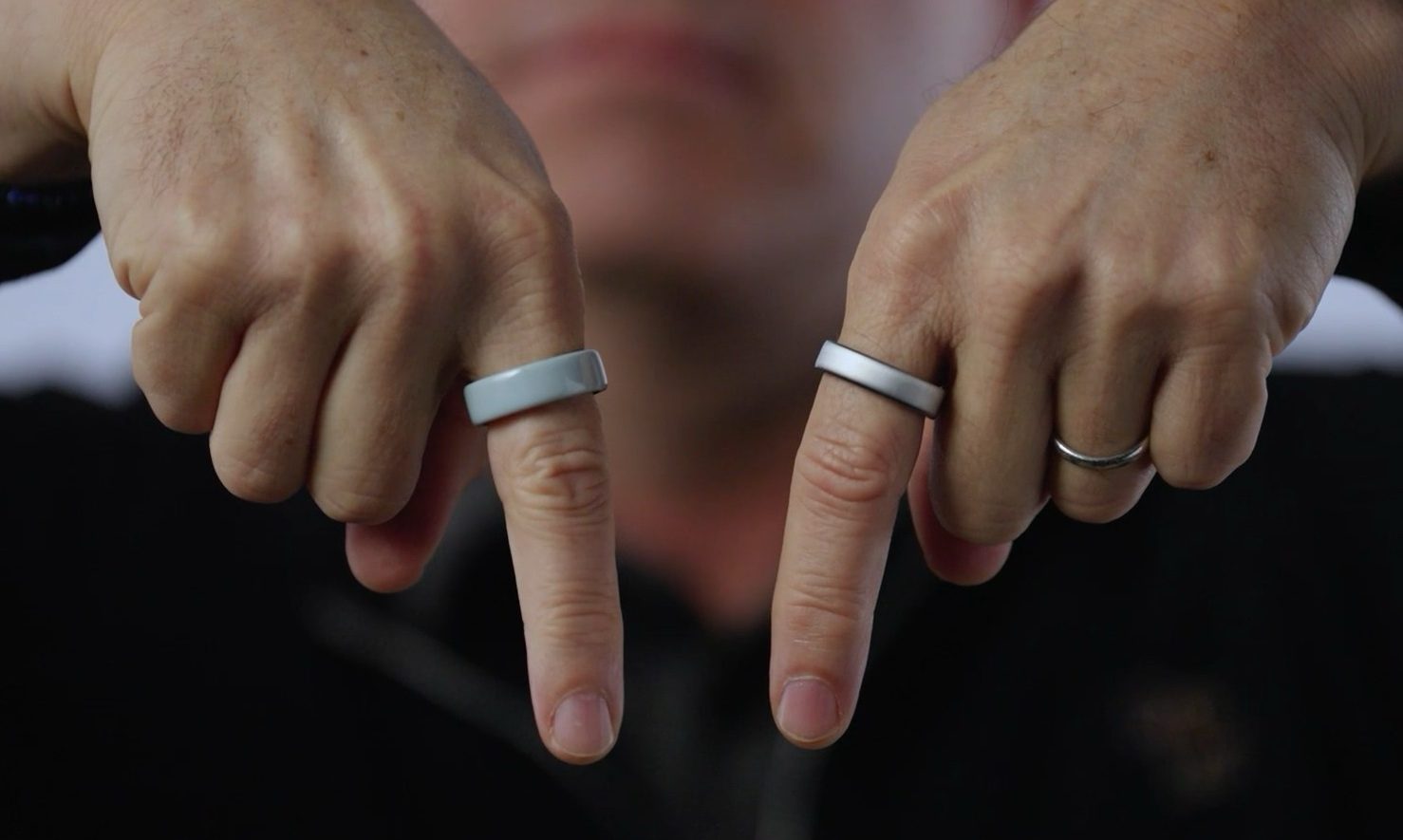
And in the biggest reveal of all, Hale teased an AI clinician coming to the app because, apparently, the future of healthcare is a smart ring that knows more about your body than you do and can offer preventive care advice.

It’s the sign of the times to come. Recently, Samsung launched its own AI health coach, and Google’s Fitbit Air is doing the same. I am still not convinced by all these AI health coaches, and only time will tell which of them are actually beneficial and which are just riding the AI hype train.

Rachit Agarwal
Rachit is a seasoned tech journalist with over ten years of experience covering the consumer technology landscape.
Meta accused of preparing facial recognition features for AI smart glasses
Meta’s wearable AI ambitions spark privacy concerns after facial recognition report
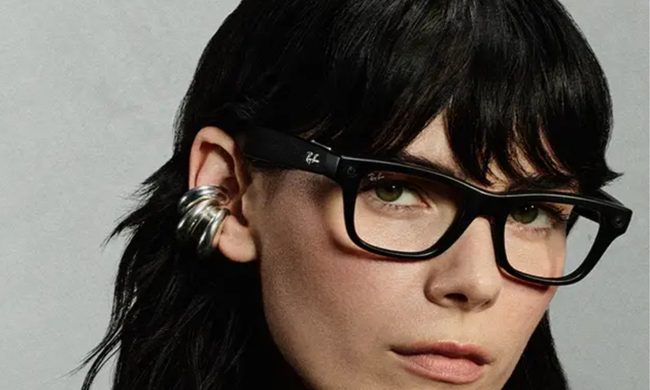
Meta Ray-Ban Gen 2 Smart Glasses

Meta is facing renewed scrutiny after a report revealed that the company quietly embedded face-recognition technology into software linked to its smart glasses ecosystem, potentially laying the groundwork for a controversial surveillance feature years after publicly stepping back from facial recognition on Facebook.

According to a WIRED investigation, code updates to Meta’s AI companion app included an unreleased internal system called “NameTag,” designed to identify people captured by the cameras on Meta’s Ray-Ban and Oakley smart glasses. The report claims the software can convert faces into biometric signatures, compare them against stored databases on a user’s phone, and alert wearers when someone is recognised.

Read more
Open-ear earbuds are finally acting like real daily drivers
Shokz OpenDots 2 targets commuters, workouts, calls, and all-day wear with upgrades that go beyond niche use.
Cosmetics, Adult, Female

Open-ear earbuds have always made sense on paper. They let music in while leaving room for traffic, office chatter, and the rest of the world. The harder sell has been whether that awareness is worth giving up bass, isolation, or a fit that feels locked in.

Shokz OpenDots 2 is built around that problem. The company’s new clip-on earbuds bring bigger audio claims, lighter hardware, stronger battery numbers, and controls designed for the sweaty, awkward moments where touch panels often fail.

Read more
Monako Glass turns smart glasses into the strangest new coding workstation yet
Monako is pitching Linux smart glasses for developers who want AI coding agents nearby, but the real test is whether this becomes useful work instead of wearable theater.
Accessories, Glasses, Goggles

Monako Glass combines Linux, a waveguide display, camera, speakers, and AI coding-agent connections in a 48-gram frame. The company is also leaning hard on input, with a bone conduction microphone and a gesture system called Vision Engine.

The tool list reaches beyond coding. Monako names Claude Code, Codex, Unreal Engine, Blender, After Effects, and other apps, which makes the glasses sound more like a wearable command layer for technical and creative work.

Read more