

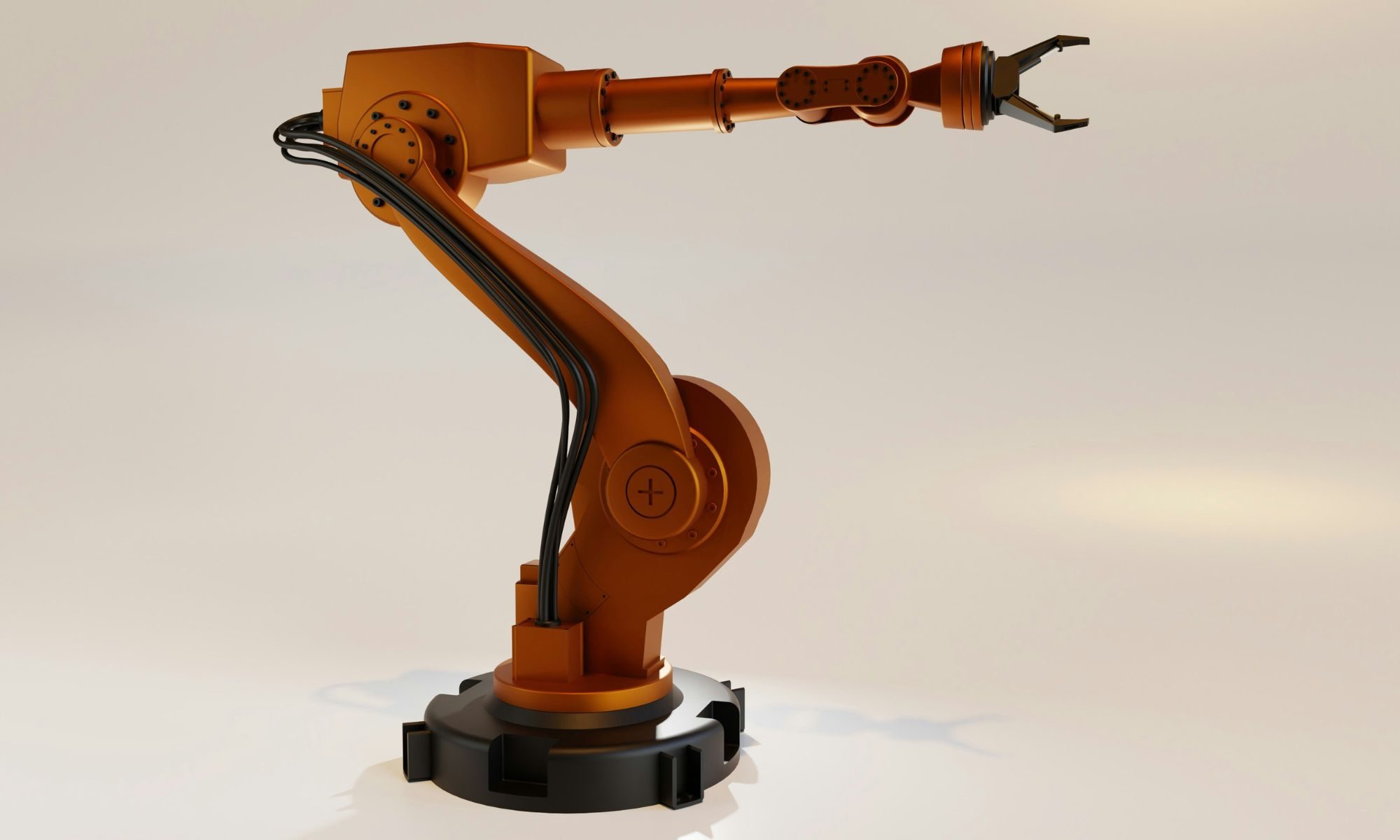
A team of researchers at Georgia Tech has developed a new smartphone-based system that could dramatically simplify how people interact with robots. Called COBALT, the platform allows users with little to no computing experience to remotely control robot arms from virtually anywhere in the world using just a phone and an internet connection.
The project, developed at Georgia Tech’s People, AI & Robotics (PAIR) Lab, transforms smartphones into motion controllers for robotic arms. Users simply move their phones in different directions, and the robot mirrors those movements in real time. Basic tasks such as grabbing, moving, and releasing objects can be performed through simple on-screen controls, making the experience feel more like playing a mobile game than operating industrial machinery.
Ayush Agarwal, a Ph.D. student in Georgia Tech’s School of Interactive Computing who leads the COBALT research team, said the system was intentionally designed to make robotics accessible to beginners rather than experts. During testing, participants from countries including India, Indonesia, and Pakistan remotely controlled robot arms located inside Georgia Tech’s lab despite having no prior robotics experience.
Researchers believe crowdsourcing could shape the future of robotics
The broader goal behind COBALT extends beyond convenience. Researchers believe the platform could solve one of robotics’ biggest challenges: collecting enough real-world training data to improve AI-powered robotic systems.
Modern robots require enormous amounts of policy training data to learn how to perform physical tasks reliably. According to Assistant Professor Animesh Garg, who directs the PAIR Lab, simulation alone is not enough to train robots for large-scale deployment. Instead, researchers envision a crowdsourced network where millions of smartphone users passively contribute operational data by remotely interacting with robots.
Garg compared the idea to tapping into the nearly five billion smartphone users worldwide. By lowering the barrier to entry, the team hopes to create a scalable global system capable of accelerating robotic learning and automation.
The technology could also have major educational implications. Georgia Tech researchers recently demonstrated COBALT to students from Midtown High School in Atlanta, allowing them to remotely operate robot arms using smartphones. The simplicity of the interface could make robotics education more accessible in classrooms without expensive equipment or specialized hardware.
A future “gig economy” for robots may not be far away
The researchers also believe COBALT could eventually support entirely new forms of remote work. Garg described the possibility of a robot-powered gig economy where people remotely operate assistive robots in homes, warehouses, or factories from anywhere in the world.
In practical terms, that could mean a factory robot autonomously handles most tasks but requests human assistance when it encounters a difficult situation. Instead of requiring on-site workers, remote operators could briefly take control through their phones before handing the operation back to the AI system.
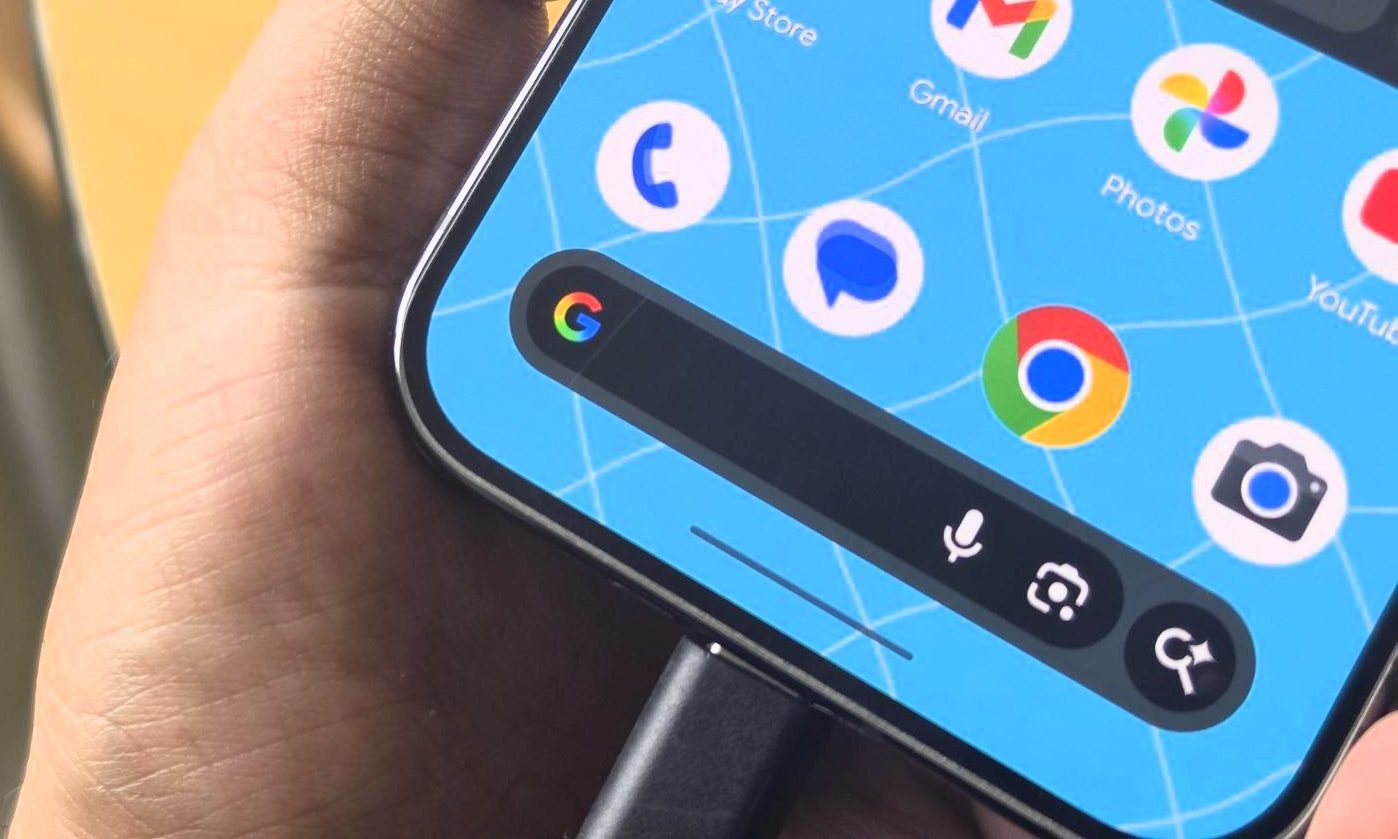
Agarwal said user studies showed smartphones were preferred over VR headsets, keyboards, or traditional controllers because they felt more intuitive while still providing high-quality control data. The system also minimizes latency by using WebRTC technology, similar to platforms like Zoom and Google Meet, ensuring that robot movements and live video streams remain responsive even across long distances.
The research paper on COBALT is being presented this week at the IEEE International Conference on Robotics and Automation in Vienna, where the team is showcasing not just the technology itself, but the large-scale remote operation network built around it.


