  1. Home
  2. Cars
  3. News

Polestar forced to exit the US market. It’s a shame we won’t see its refined design anymore

Boring EVs caught a break as Americans lose Polestar

Add as a preferred source on Google
polestar-3-ev
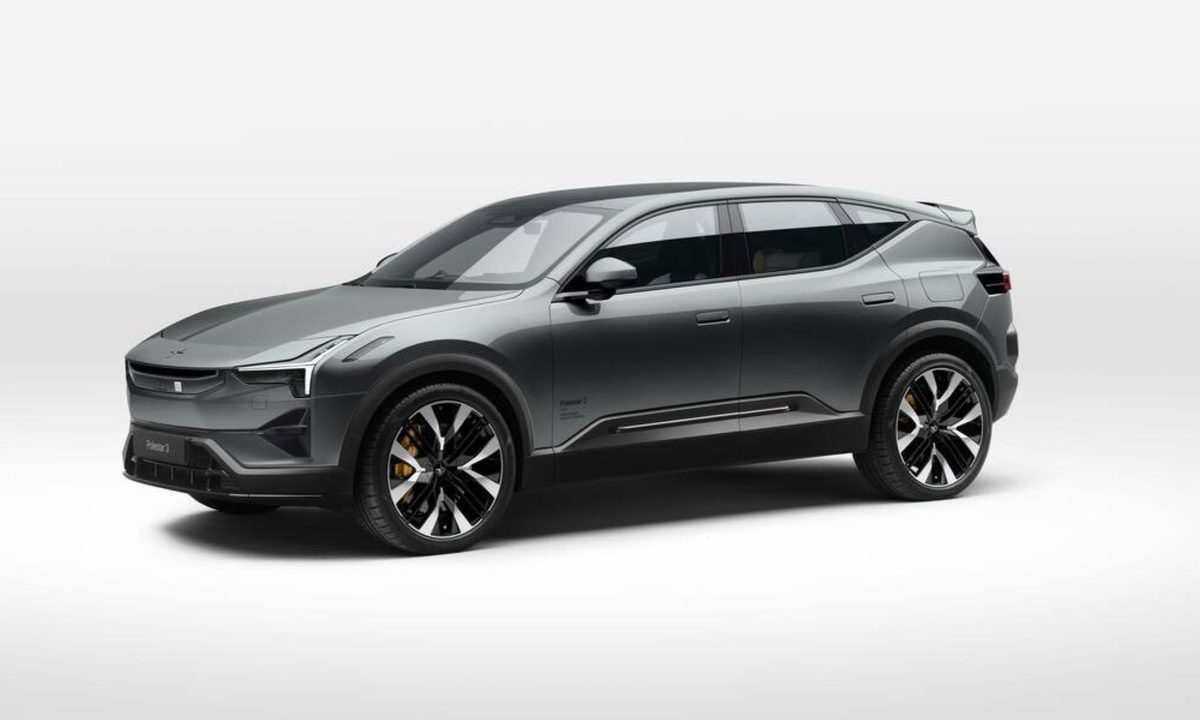
Polestar 3 Polestar

Polestar, the Swedish EV brand controlled by China’s Geely, has been denied authorization under the US Connected Vehicle Rule. As a result, it will not be able to sell vehicles in the US from the 2027 model year onward. The company is not disappearing from American roads overnight. Polestar says it will continue selling existing US inventory of the Polestar 3 and Polestar 4, and current owners will still have access to service support. But for future models, the door is effectively closing unless something changes.
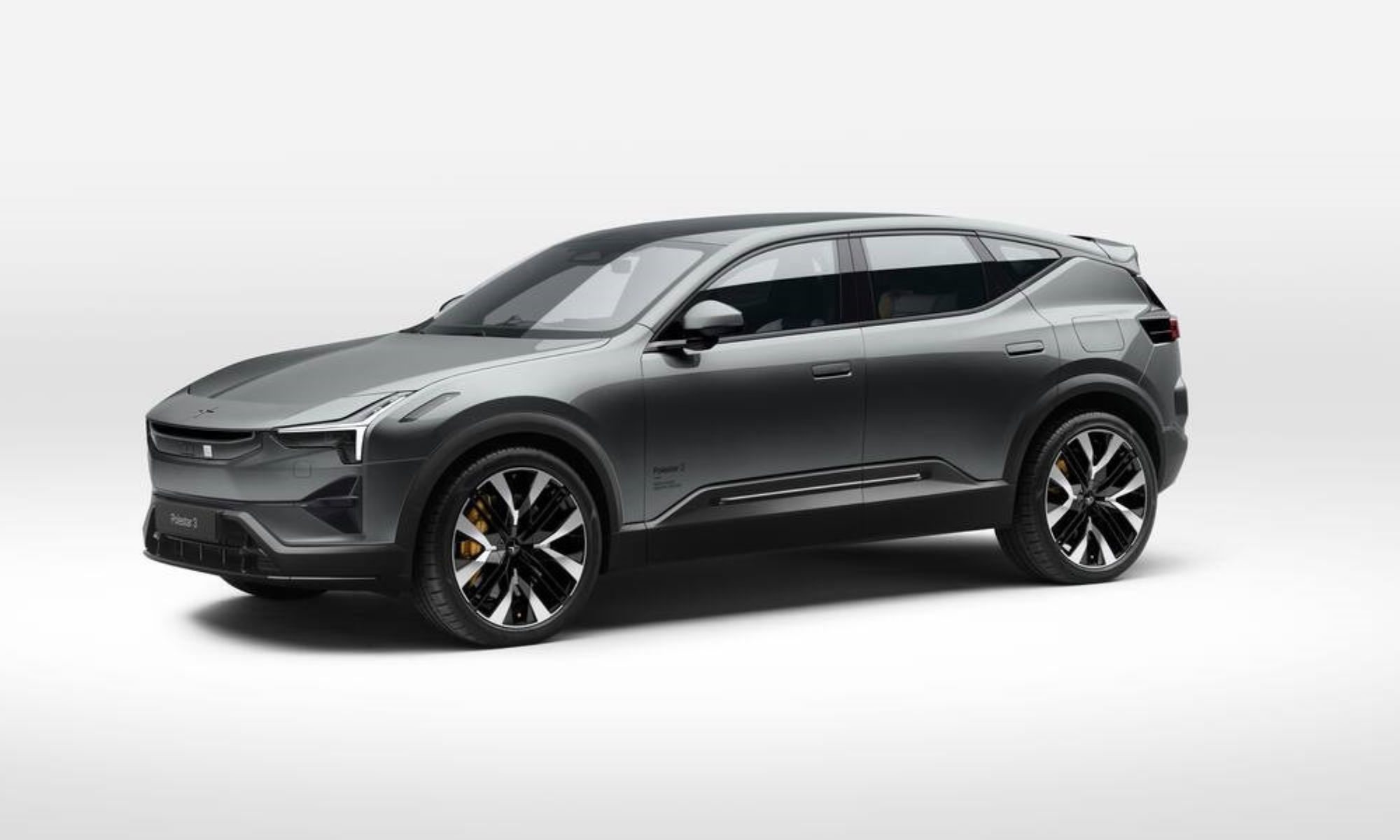
Polestar made minimalism look expensive

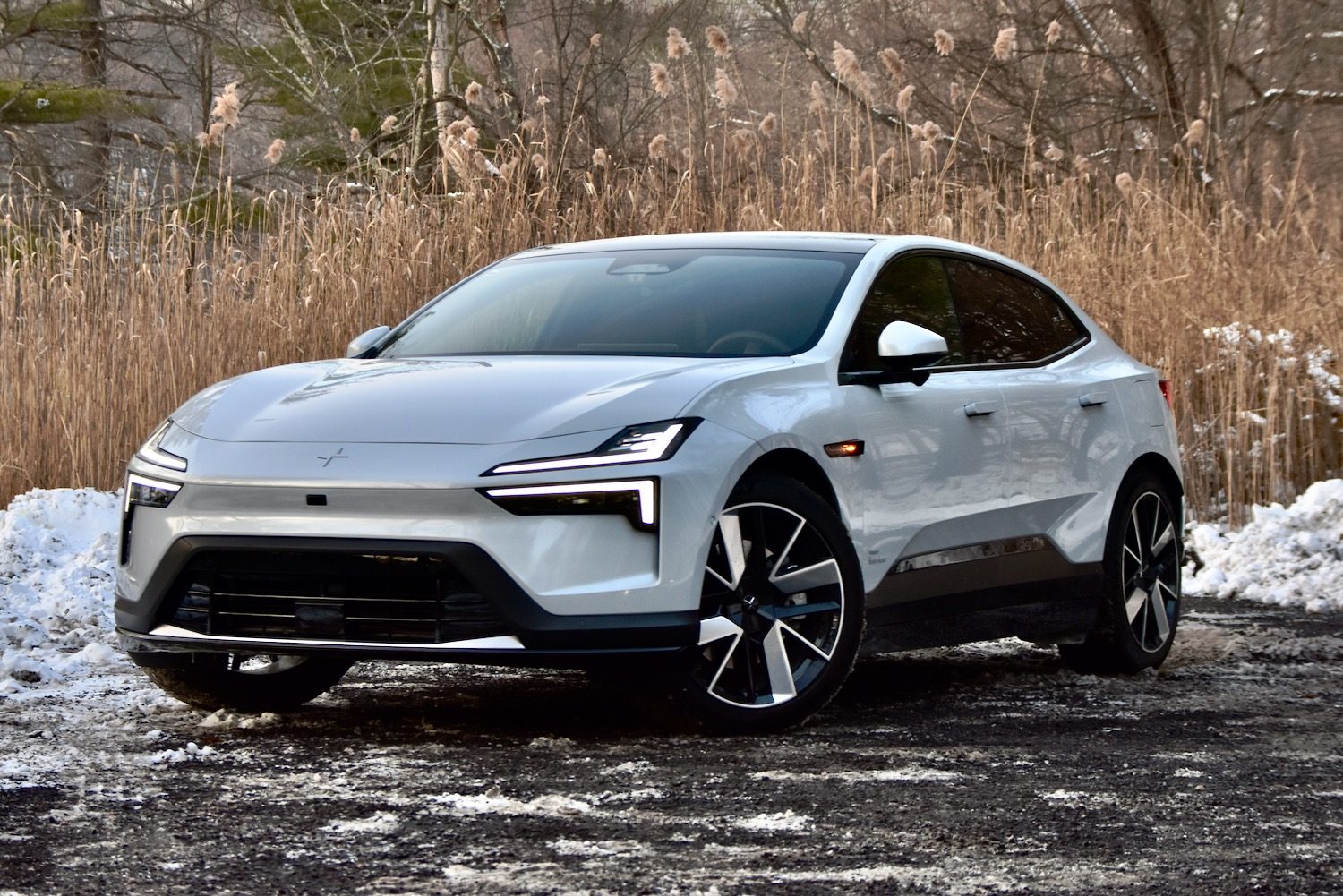
Polestar was never the loudest EV brand. Its cars have always carried a cleaner, more architectural personality than most rivals. Many compared the Polestar 2 to a Volvo side project, while the Polestar 3 brought that design language into the SUV territory. The Polestar 4 made things a little odd with its coupe-SUV shape and no rear window. But their designs were known for blending gorgeous Scandinavian minimalist design with track-tuned performance.

Recommended Videos

Not every Polestar has been perfect. The brand has had the usual EV startup-adjacent problems. Pricing pressures, a limited lineup, and the Herculean task of standing out in a market filled with giants like Tesla. But design was never the weak point. Its cars were premium without screaming for attention.
Why Polestar is being banned in the US

The US decision comes under connected vehicle rules aimed at cars with links to Chinese or Russian software and hardware. Polestar’s Geely ownership puts it in the crosshairs, even though the company is headquartered in Sweden. The outcome seems surprising considering how Volvo, another Geely-owned company, was recently granted authorization to keep selling vehicles in the US.

With this announcement, the company has started shifting its attention to Europe, which already represents the majority of its retail sales. The company also says most of its sales in the first quarter of 2026 came from outside the US, so this decision does not arrive as a death blow to the brand globally.

Vikhyaat Vivek
Vikhyaat Vivek is a tech journalist and reviewer with seven years of experience covering consumer hardware, with a focus on…
The Wild West era of robotaxis is starting to end
New global rules could replace patchwork regulation with stricter safety proof for driverless fleets.
Self driving car from Waymo

Robotaxi rules have entered their first global phase. A UN vehicle standards forum has adopted the first international framework for fully autonomous vehicles, giving driverless fleets a common safety baseline across major markets.

The move lands while robotaxis are expanding from test programs into a bigger commercial race. In the US and China, private fleets more than doubled in 2025 to 8,000 vehicles across more than two dozen major cities.

Read more
Google Meet finally lands on Android Auto, giving you one less excuse to skip a meeting
Android users can now join scheduled meetings and audio calls from their car's dashboard, catching up to what iPhone users have had for months.
Google Meet on Android Auto

Android Auto is finally getting Google Meet, months after the video conferencing app made its debut on Apple CarPlay. Android users can now pull up scheduled meetings and dial recent contacts straight from their car's display instead of reaching for their phone.

How it works behind the wheel

Read more
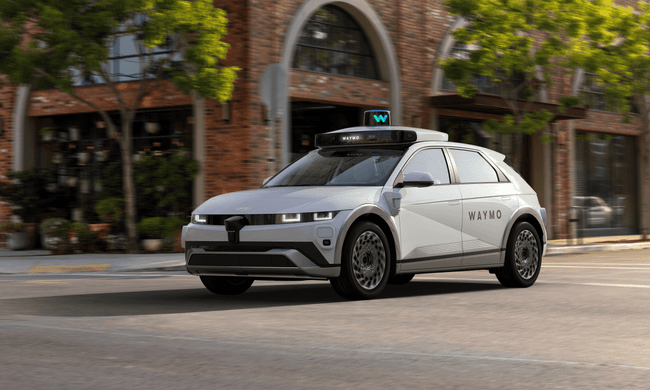
Waymo’s robotaxis keep finding new things to drive into, and construction zones are the latest
Thirteen construction zone incidents, one fleet recall, and a passenger who thought the end was near.
A Hyundai Ioniq 5 is equipped as a robotaxi.

Waymo has recalled its entire fleet of nearly 4,000 robotaxis to prevent them from driving on highways after identifying at least 13 instances where its vehicles drove straight into highway sections closed for construction. 

This is the company's sixth recall in under a year, and follows separate incidents involving flooded roads, telephone poles, chains and gates, towed trucks, and school buses.

Read more