1. Home
  2. Social Media
  3. Emerging Tech
  4. News

Facebook opens its new ‘unassuming’ but actually really swish Menlo Park campus

Add as a preferred source on Google

Some Facebook staff are beginning to relocate to the company’s flashy new Menlo Park complex, a Frank Gehry-designed site built for around 2,800 employees.

Known as MPK 20, the building offers some 430,000 square feet of interior space, with employees reportedly able to see pretty much end to end. In fact, when plans for the project were first announced back in 2012, there was talk of the layout making Facebook home to the largest open-plan office in the world.

Recommended Videos

The most striking feature of the eco-friendly site looks to be its expansive rooftop garden, which has been likened to Manhattan’s elevated High Line park. Ideal as a space for workers to dream up the next big Facebook feature, the park comprises around 9 acres of grassland, some 400 trees, and a walking course about half-a-mile long.

Known for his work on LA’s Walt Disney Concert Hall in Los Angeles and the Guggenheim Museum in Bilbao, Spain, acclaimed architect Frank Gehry said Facebook boss Mark Zuckerberg was keen on a campus that was “unassuming, matter-of-fact, and cost effective,” adding, “He did not want it overly designed.”

Before work on the site started, Zuckerberg wrote of his desire to “make the perfect engineering space: one giant room that fits thousands of people, all close enough to collaborate together.”

The social networking giant hasn’t shown off any interior shots of its new home yet, but we’ll be sure to post them when it does. Facebook is continuing to use its other Menlo Park premises just across the highway. In fact, the two buildings have been joined by an underground walkway for easy access.

Facebook’s plush new office complex opens at a time when many other big tech firms are embarking on similar projects. Work on Apple’s much-talked-about ‘spaceship’ campus is well underway in Cupertino, while Google and Amazon are also busy working on plans for new workspaces.

Trevor Mogg
Contributing Editor
Not so many moons ago, Trevor moved from one tea-loving island nation that drives on the left (Britain) to another (Japan)…
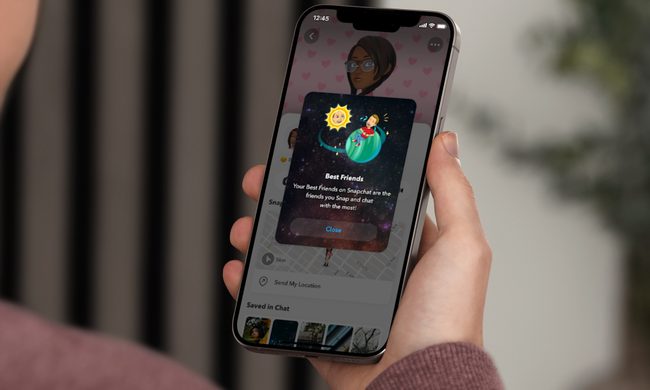
Snapchat Planets Meaning: Order, Rankings, and How Friend Solar System Works
Snapchat Planets turns your best friends list into a solar system, and yes, your orbit says a lot
Snapchat Planets being shown on the Snapchat app on iPhone.

Snapchat+ includes several exclusive features, but few have generated as much curiosity as Snapchat Planets. Part of the app's Friend Solar System, it transforms your Best Friends list into a planetary ranking, assigning each of your top eight friends a planet based on how often you interact.

From Mercury, which represents your closest friend, to Neptune, which represents your eighth closest, the system offers a quick visual snapshot of your interactions. But what do the different planets actually mean, and how does Snapchat decide who gets which one?

Read more
Instagram lands on Samsung TVs, with episodic series and live TV coming to your screen soon
Instagram for TV adds new features for group watching.
instagram-samsung-tv

Meta just expanded Instagram for TV to Samsung Smart TVs across the US, rolling out a bunch of new features built for group viewing. With Samsung now on board, Instagram for TV has officially landed on the three biggest connected TV platforms in the country.

https://twitter.com/metanewsroom/status/2069062429821026732?s=46

Read more
TikTok’s AI slop problem is worse than you think — and kids are seeing the most of it
TikTok

TikTok has spent years perfecting the art of knowing exactly what you want to watch next. Open the app, scroll a few times, and suddenly it’s serving videos that feel uncannily tailored to your interests. But what happens before TikTok learns who you are? According to new research from video editing platform Kapwing, the answer is increasingly AI slop.

The study found that nearly 60% of the videos shown to a brand-new TikTok account were low-quality AI-generated content. That’s not a niche problem buried in obscure corners of the platform. It’s the first impression TikTok is making on new users before the algorithm even begins personalizing their feed. And if that sounds concerning, the findings around children’s content are even harder to ignore.

Read more