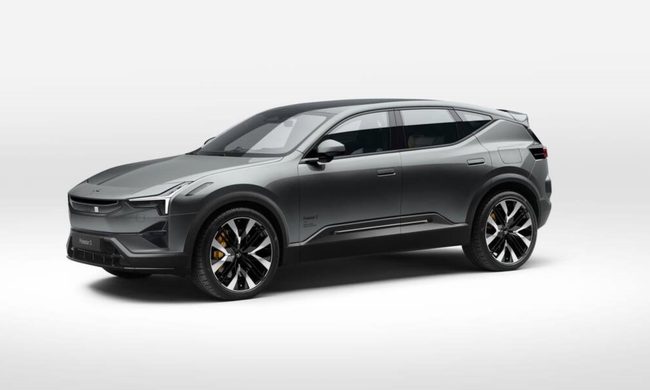
Waymo has, rather bravely, chosen London as the first city in Europe to test its robotaxi service.
The Alphabet-owned company launched trials of its autonomous vehicles in Phoenix, Arizona, in 2017, before launching a paid robotaxi service there three years later.
Other American cities have followed, including San Francisco, Los Angeles, Austin, and Atlanta, and earlier this year Waymo began a trial in the Japanese capital, Tokyo, in its first expansion beyond the U.S.
The London trial will begin in the coming weeks using Jaguar I-Pace SUVs that have been modified with Waymo’s autonomous systems. At the start, a human safety driver will sit behind the wheel, ready to take over if something goes wrong. Then, next year, Waymo is hoping to launch a paid robotaxi service with nobody in the driving seat.
But the streets of ye olde London will present some unique challenges for the robotaxis, which of course is what the testing is all about. Here are six possible hurdles that spring to mind …
Driving on the left, except …
Brits drive on the left side. Americans call it “the wrong side,” though for Brits it’s the right side (that is, the left side). Confused? Let’s hope the Waymo cars aren’t. Perhaps there’s a button on Waymo’s autonomous software that says “right side” or “left side” that you can simply push and hey presto, the autonomous car instantly understands which side of the road to drive on. Waymo is already testing its driverless cars in Japan, where they also drive on the left, so hopefully it’s already sussed this one out. Except … cars driving into the entrance of The Savoy Hotel in central London have to take the right lane. Really, they do. So Waymo will need to make sure its software knows that it has to switch lanes there. And back again when the car exits!
Narrow, bendy roads
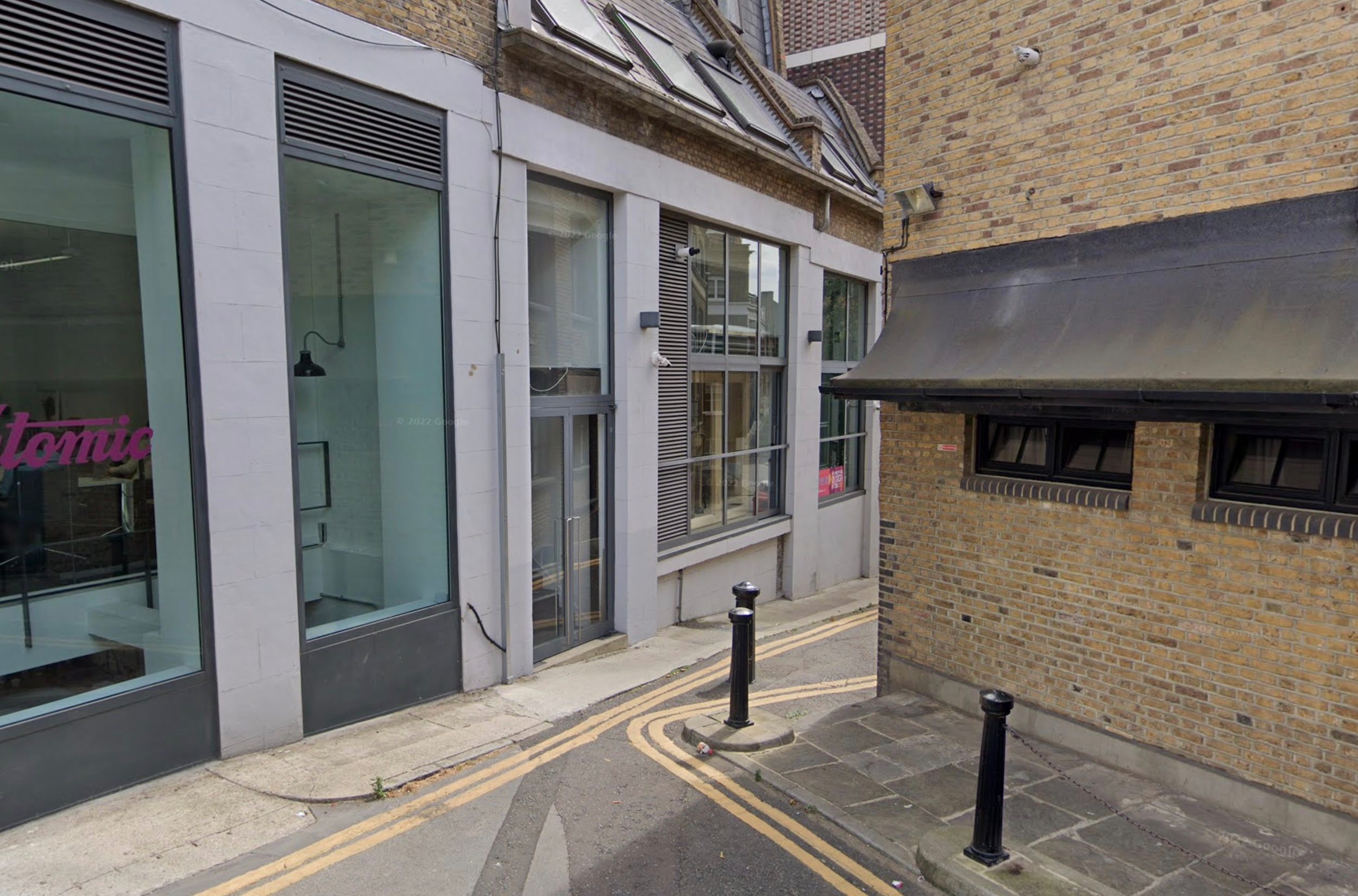
London was built before cars were even a thing, and so many of the streets are still narrow and winding. The I-Pace isn’t an enormous vehicle, but neither is it particularly compact, so it may have a little trouble navigating some tight turns and those slender one-way streets. And then there are quirky spots like Crawford Passage in Clerkenwell — London’s narrowest street — which halfway along becomes so tight that only bicycles can get through. Again, this is what the training is all about, and so Waymo’s robotaxis are sure to learn a lot while tootling around the streets of London.
Potholes
It’s not that the U.S. doesn’t have its own issues with potholes, but in London there’s a lot of them, and with the roads generally much narrower than across the pond, they’re harder to avoid. Which can mean driving into them, potentially wrecking your tires or suspension, or worse, your neck (or some other body part). And with British weather tending to be on the rainy side, it can be hard to tell if that water-filled hole is a mere puddle or, horror of all horrors, a giant crater.
Tourists
Compared to potholes, there are a lot more tourists. Just over 20 million of them descended on London last year, with a good number of them unwittingly wandering into oncoming traffic while gawking at Big Ben or Buckingham Palace or Tower Bridge. Waymo’s driverless cars are laden with cameras and sensors designed precisely for this kind of sudden interaction, so hopefully the robotaxi — and, more importantly, the pedestrians — will be just fine.
Quirky layouts
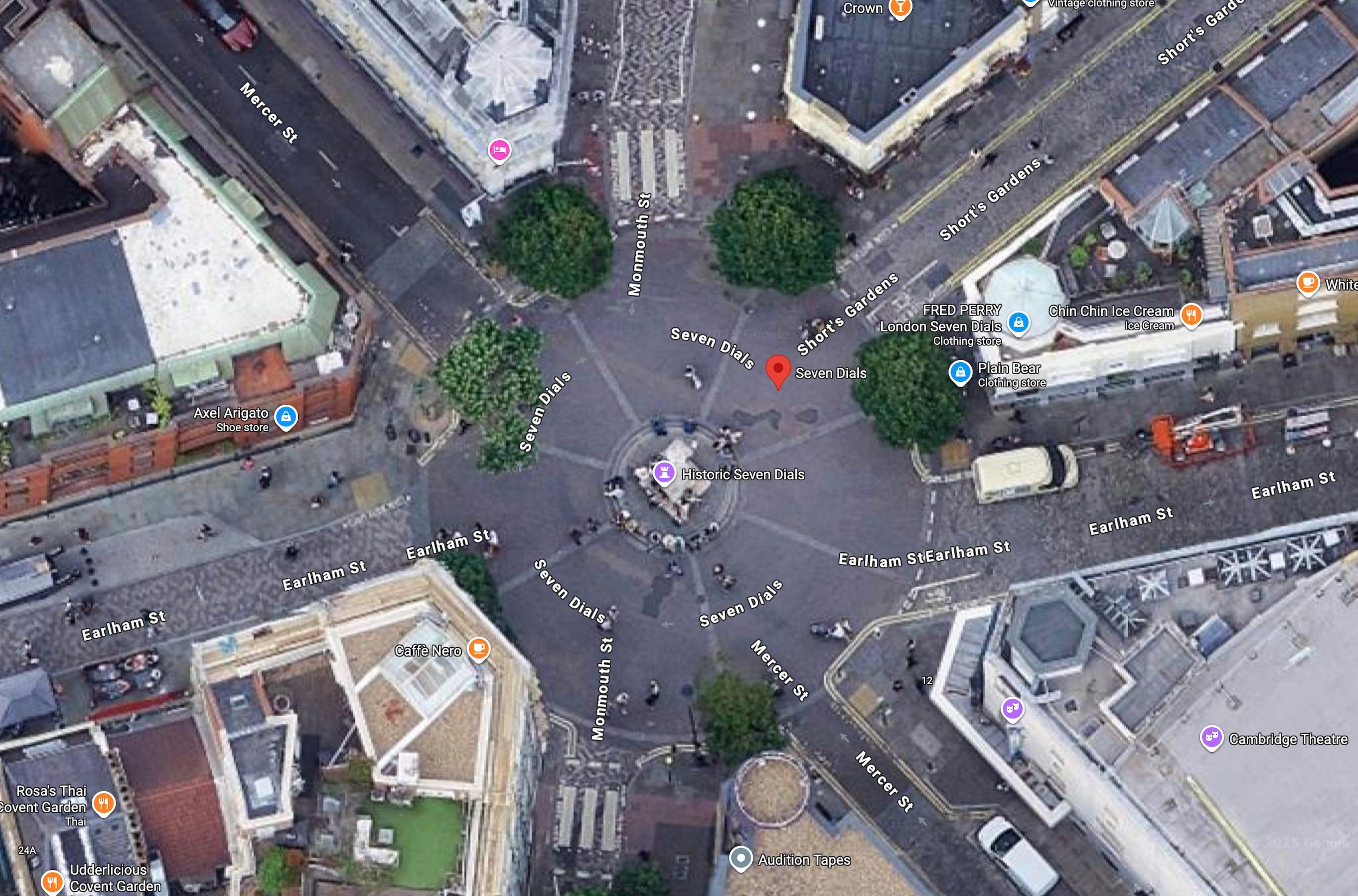
Check out Seven Dials in central London. It’s like a miniature Place Charles de Gaulle, the road system surrounding the Arc de Triomphe in the French capital. Like a really miniature version. Single lanes approach it, and you can’t just take any exit, as many of the streets leading off it have “no entry” signs. So you have to drive around and around until you decide which of the three exits to take (while avoiding tourists). Waymo will need to have its robotic eyes peeled to get it right.
Black cab drivers
The drivers of London’s iconic black cabs take their job very seriously and spend years memorizing every single street in London in order to get their license. They don’t take too kindly to newcomers and spent years in the courts fighting Uber’s London licence, though the ridesharing service operates alongside black cabs today. Will the black cab drivers make trouble for Waymo by protesting against their arrival and lobbying for regulatory safeguards? We’ll have to wait and see on that one.
Perhaps the best thing going for Waymo is the frustratingly slow speed of London traffic, providing ideal conditions for robotaxi training. Vehicles in the capital are reported to move at an average speed of just 11 mph, which means a lot of driving at even slower speeds. Probably quicker to walk.