Chinese EV brands have spent years trying to win on range, charging speed, and screens. Now the fight is getting stranger, with premium SUVs showing off three-wheel driving as the next battleground.
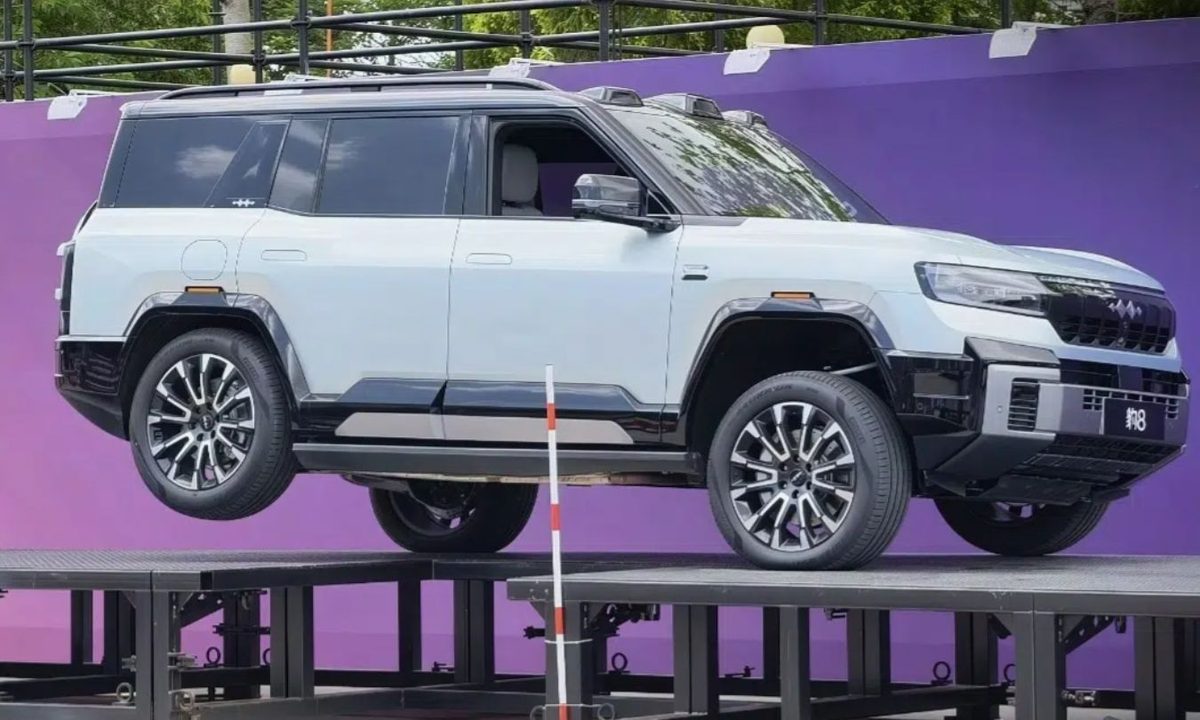
According to Car News China, BYD’s Denza B8 Flash Charge Edition, Huawei-backed Aito M9, and Li Auto L9 are all being used to show how active suspension can lift a wheel while the vehicle keeps moving at low speed. The demos look theatrical, and the intended uses are practical, including tire changes, off-road recovery, and crossing uneven ground without getting stuck.
The bigger signal is hard to miss. China’s EV SUV race is shifting from familiar electric performance claims to visible hardware tricks that drivers can understand in seconds. Range claims can feel abstract. A huge SUV moving calmly with one wheel in the air lands much faster.
Why SUVs are lifting wheels
The Denza B8 Flash Charge Edition gives the clearest view of where this feature is heading. BYD showed the SUV lifting one wheel fully off the ground while continuing to drive on the other three, using its DiSus-P Ultra suspension system.
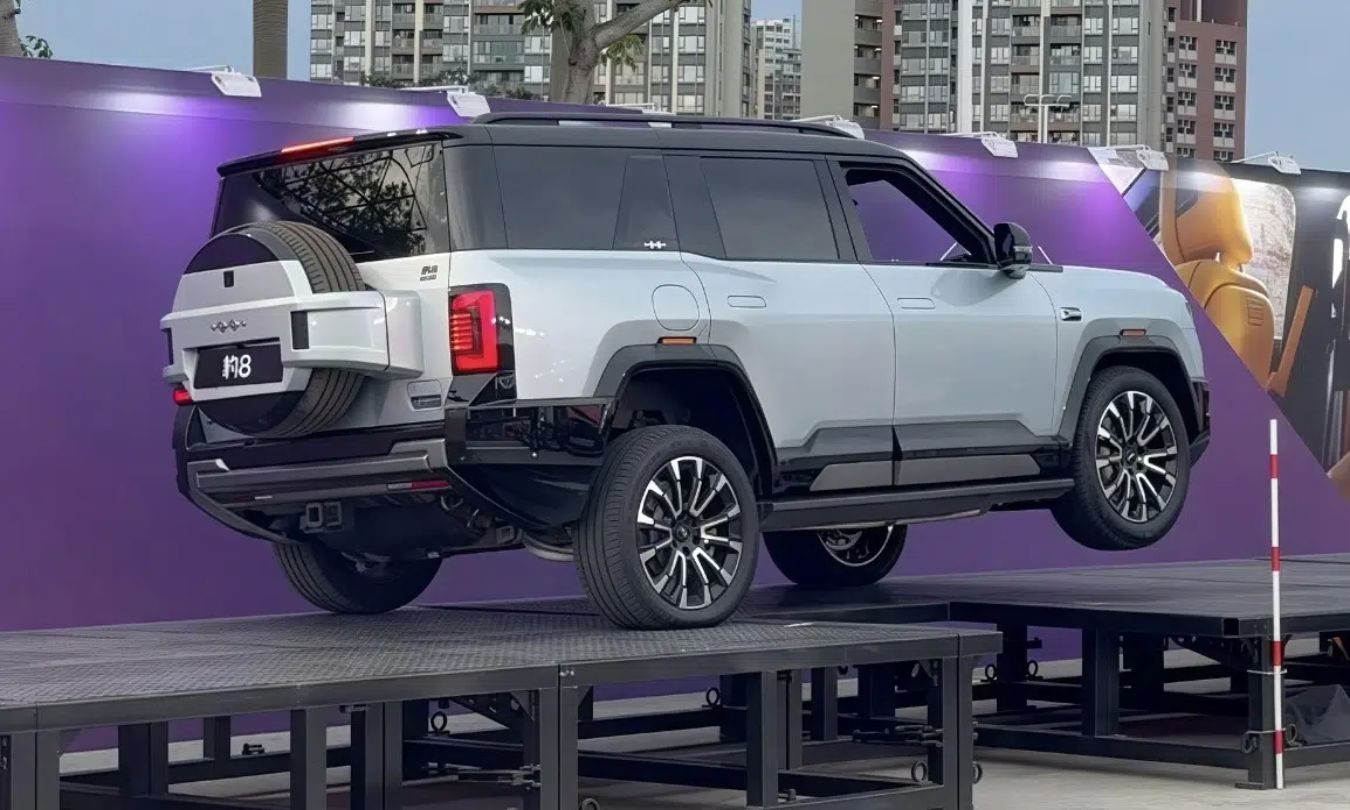
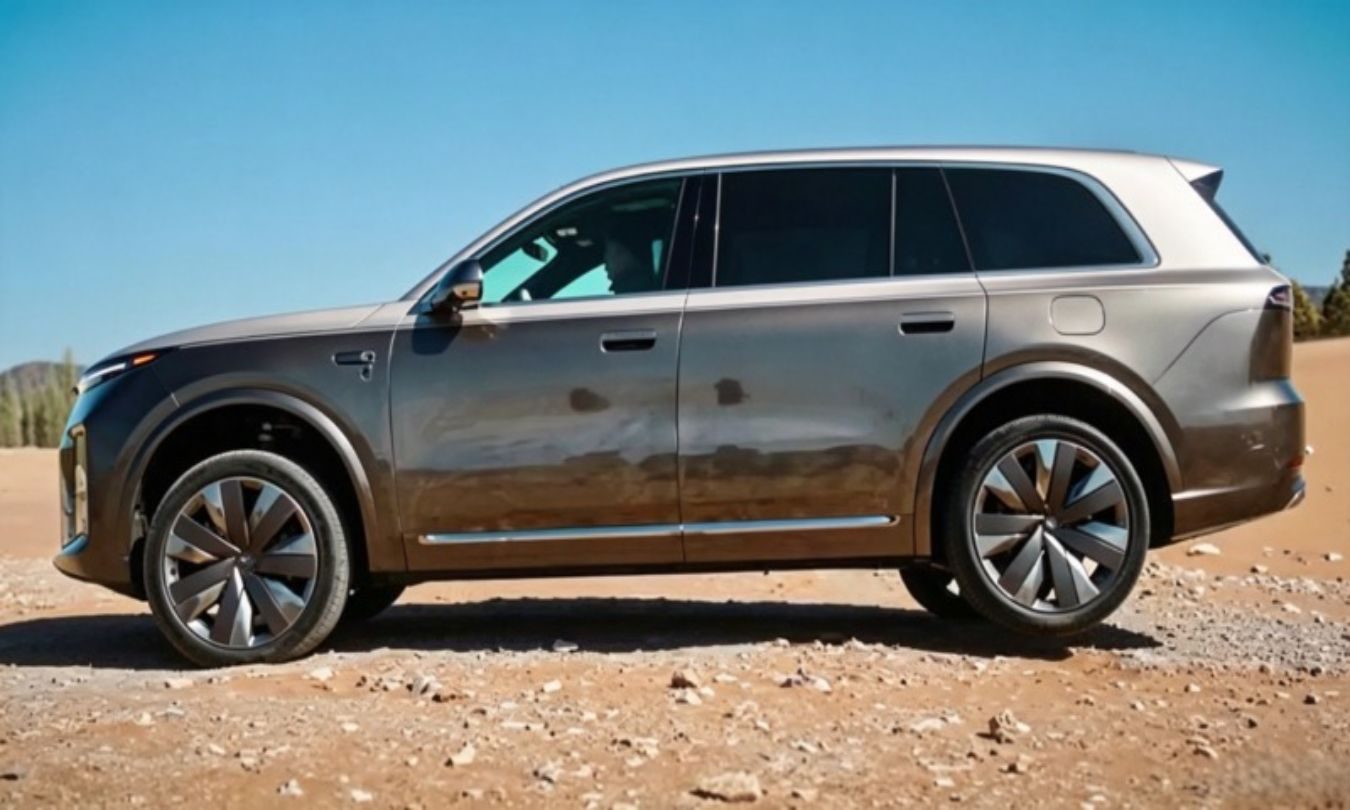
That system supports wheel lifting, tire replacement, and the three-wheel capability. In tire-change mode, the SUV can raise one corner without a traditional jack, leaving the tire suspended in the air. BYD says the system can complete the lift in under a minute, while the demonstration showed a tire replacement finished in 1 minute and 56 seconds.
The feature is built for low-speed emergencies and awkward terrain. Its 15 km/h cap keeps it far away from highway use, and it doesn’t replace serious off-road hardware.
How the stunt became useful
Aito and Li Auto make the trend look less like a one-brand showcase. The Aito M9 has been shown using Huawei’s Tuling platform to move with one wheel removed, while Li Auto has demonstrated the L9 lifting a wheel and continuing on three.
In China’s crowded premium EV market, a suspension demo can cut through faster than another claim about software, battery chemistry, or cabin comfort. Active suspension gives these brands something physical to sell, not just another number on a spec sheet.
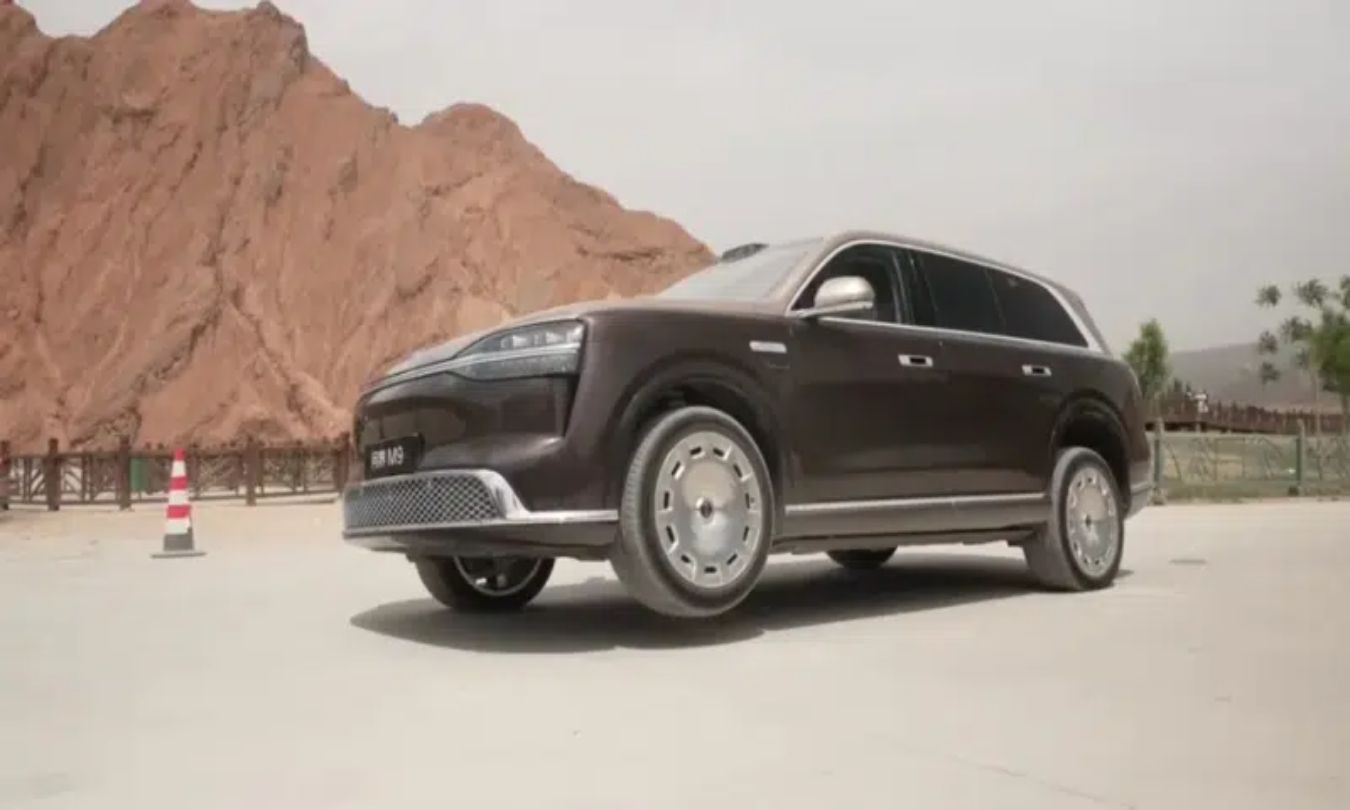
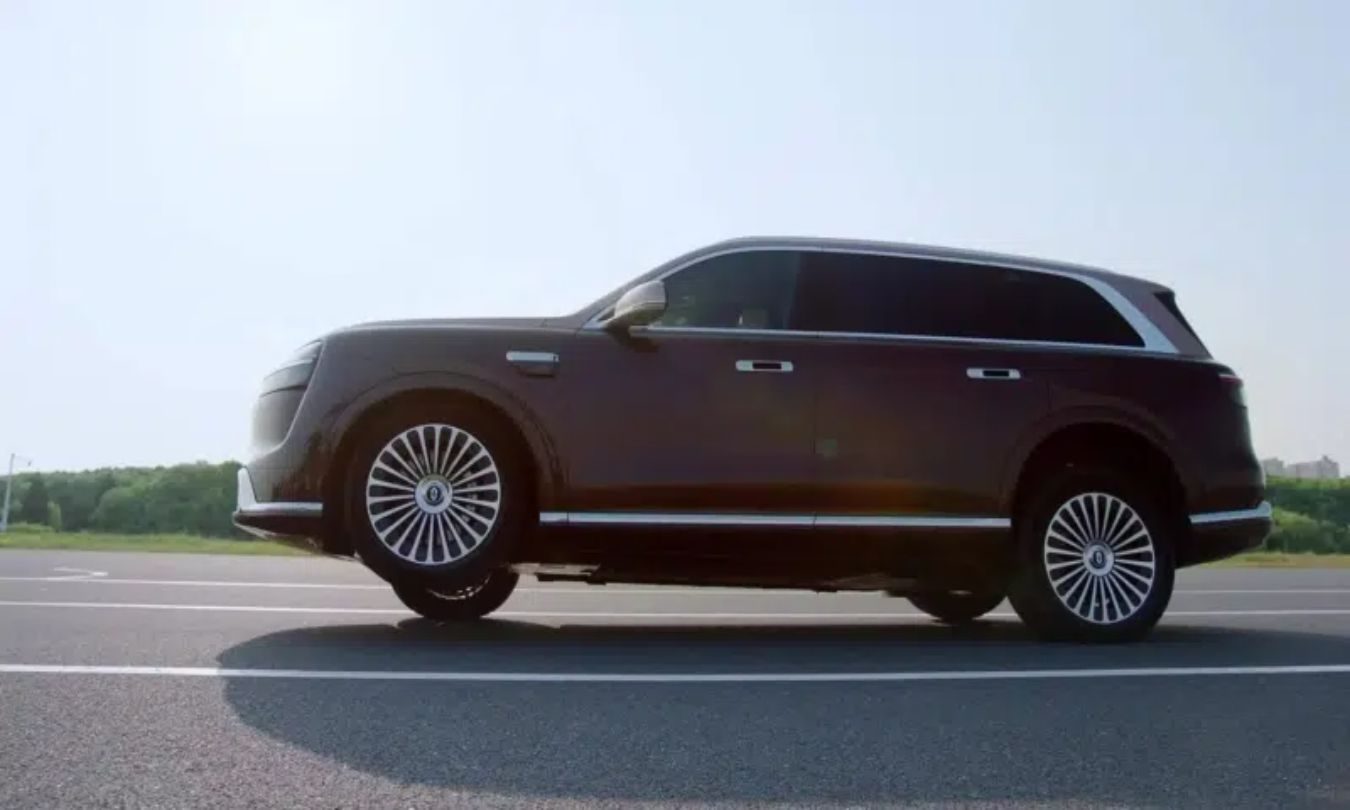
A rarely used feature can still shape perception when it proves that sensors, control systems, and active chassis tech are working together in a way buyers can see.
Where buyers should watch next
The feature probably won’t be part of daily driving. It’s too slow, too situational, and too dependent on costly suspension hardware that belongs in premium SUVs first.
Still, it shows where Chinese EV brands are heading after proving they can compete on battery range and charging speed. They’re trying to make capability visible and physical, which helps separate models that can otherwise start to blur together.
The useful question is whether brands can turn the demo into reliable recovery tools, clearer safety limits, and real owner features. The winner won’t be the SUV that looks wildest on video. It’ll be the one that makes the trick useful when something actually goes wrong.