  1. Home
  2. Cars
  3. Emerging Tech
  4. Legacy Archives

Could this be what the production BMW i8 will look like?

Add as a preferred source on Google
Could-this-be-what-the-production-BMW-i8-will-look-like
Image used with permission by copyright holder

We can’t help but grow increasingly excited for BMW’s i range of low emission vehicles, especially the sporty i8 extended-range plug-in hybrid. But while the car’s 2014 roll out date seems like an eternity from now, we’ll just have to settle for these renderings courtesy of Behance until then.

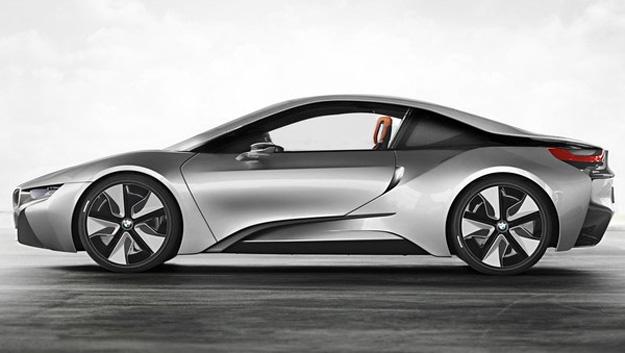
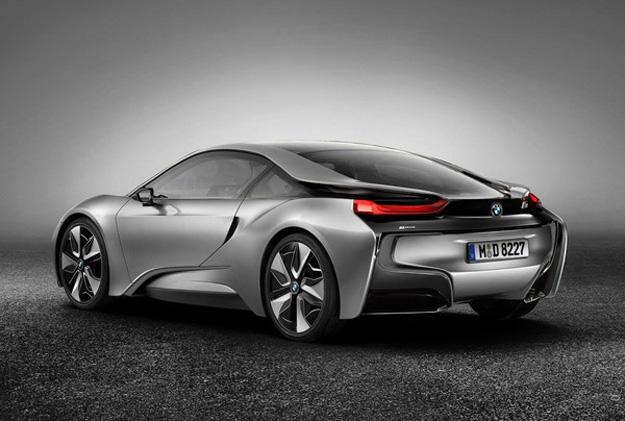
The first thing we gather from the renders is the absence of those audacious glass doors showcased on the original concept. Love them or hate them — they’re gone from the renders. Instead, we find a more realistic design that is befitting of what the final production car will probably look like. That’s not to say we didn’t like the idea, but we’re not so sure how well they would translate to the finished product.
bmw-i8-rendering-side
Image used with permission by copyright holder

Another noticeable difference from the original concept design presented in the latest images is the slightly shorter wheelbase and overall length of the car. The final version of the i8 is rumored to weigh in at around 3,187 pounds, which is slightly less than the concept’s original weight estimates thanks, in part, to the i8’s healthy use of carbon fiber reinforced plastic in its chassis. With any luck, we’ll see a noticeable performance boost thanks to the drop in curb weight.

Recommended Videos

The BMW i8 will feature a plug-in hybrid powetrain with 1.5-liter turbocharged rear-mounted gasoline combustion engine driving the rear wheels, and a front-sitting electric motor powered by a lithium-ion battery. In total, the i8 is said to deliver just under 400 horespower and feature three driving modes: all-electric, gasoline, and a combination of the two. Top speed for the i8 is estimated at 155 mph and should deliver a sprint speed of 0-60 mph in less than 4.9 seconds.
bmw-i8-rendering-rear-3-4
Image used with permission by copyright holder

Pricing for the BMW i8 is purely speculative right now, but estimates put it near the $160,000 mark.

[Image credit: Behance]

Amir Iliaifar
Former Associate Automotive Editor
Associate Automotive Section Editor for Digital Trends, Amir Iliaifar covers the ever increasing cross-section between tech…
iOS 26.4 adds ChatGPT to you car’s infotainment screen
Apple's iOS 26.4 brings ChatGPT, Gemini, and Claude to your car's screen, adds calming ambient music widgets, and previews the in-car video future that drivers have been waiting for.
CarPlay shown in March 2025.

Apple rolled out iOS 26.4 recently, and while your iPhone got several upgrades, CarPlay quietly had one of its best days in years. The latest iPhone updates bring two meaningful features that can change the way you use CarPlay on your car’s infotainment screen. 

Would you use ChatGPT while driving?

Read more
Sony and Honda’s electric car dream with Afeela series is officially dead 
Sony Honda Mobility has shelved the Afeela 1 and its follow-up, and the EV market has another high-profile casualty.
Machine, Wheel, Adult

Sony and Honda’s shared dream of launching an electric car has just come to an end. The joint venture between the two brands — Sony Honda Mobility — has just announced that plans for the upcoming Afeela 1 electric car have been shelved. Additionally, the follow-up model has been nixed from the roadmap. 

But why did the Afeela go?

Read more
This AI checks if your driving habits signal crash risk
Researchers say eye tracking, heart rate, and personality data can flag risk early.
Person, Wristwatch, Car

A new AI model is taking aim at a question most drivers don’t ask soon enough. How likely are you to crash before you even start the engine?

The system looks at how you behave behind the wheel, pulling in signals like eye movement, heart rate, and personality traits to flag warning patterns early. Instead of waiting for real-world mistakes, it relies on simulated driving tests to surface behaviors linked to dangerous outcomes.

Read more