  1. Home
  2. Cars
  3. Emerging Tech
  4. News

Cheaper EVs ahead? GM and LG say new battery cells are the key

Add as a preferred source on Google
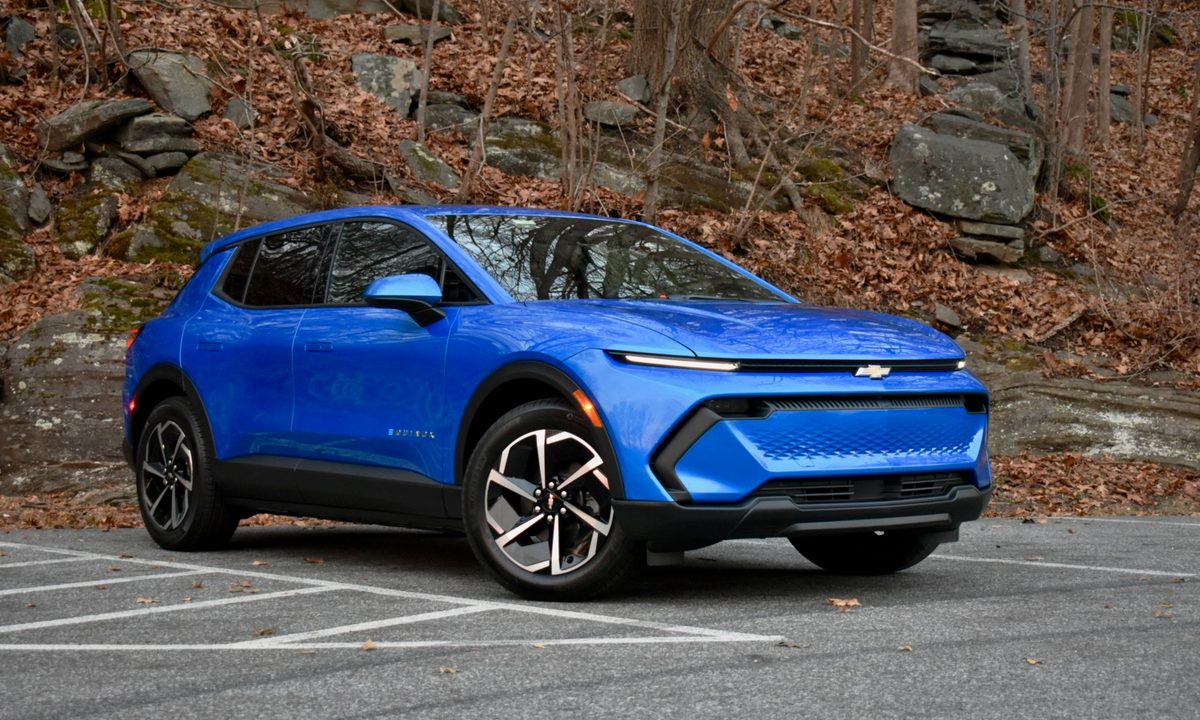
2025 Chevrolet Equinox EV front quarter view.
Stephen Edelstein/Digital Trends

General Motors and LG Energy Solution have announced a new phase in their ongoing partnership: developing a new battery cell chemistry that could significantly lower the cost of electric vehicles. The joint effort centers on lithium manganese iron phosphate (LMFP) battery cells, a variation of lithium iron phosphate (LFP) that’s gaining popularity for being more affordable and less reliant on expensive materials like nickel and cobalt.

This is a big deal because battery costs are still the single largest expense in producing EVs. According to GM and industry experts, LMFP cells could help bring the cost of electric vehicles close to — or even on par with — gas-powered cars. The goal? Making EVs accessible to a broader range of drivers without sacrificing range or performance.

Recommended Videos

GM plans to use these LMFP batteries in future Ultium-based EVs, its modular electric platform that underpins models like the Chevrolet Equinox EV and Blazer EV. Those models are priced starting around $35,000–$50,000 — still noticeably higher than GM’s most popular internal combustion engine (ICE) vehicles like the gas-powered Equinox and Silverado, which often start closer to $28,000 and $36,000, respectively.

If LMFP batteries can knock down those EV prices, that gap could shrink fast. This would be key to helping GM hit its long-term EV adoption targets while maintaining profitability. Unlike some pricier battery chemistries, LMFP batteries are more stable and cost-efficient, especially when produced at scale. GM and LG say production of these new cells will happen in the U.S., supporting domestic supply chains and eligibility for tax incentives.

In short, this partnership isn’t just a science experiment — it’s a step toward solving one of the EV market’s biggest roadblocks: affordability. If successful, it could mark a turning point in the electric era, where choosing an EV no longer means paying a premium.

Nick Godt
Former Freelance reporter
Nick Godt has covered global business news on three continents for over 25 years.
iOS 26.4 adds ChatGPT to you car’s infotainment screen
Apple's iOS 26.4 brings ChatGPT, Gemini, and Claude to your car's screen, adds calming ambient music widgets, and previews the in-car video future that drivers have been waiting for.
CarPlay shown in March 2025.

Apple rolled out iOS 26.4 recently, and while your iPhone got several upgrades, CarPlay quietly had one of its best days in years. The latest iPhone updates bring two meaningful features that can change the way you use CarPlay on your car’s infotainment screen. 

Would you use ChatGPT while driving?

Read more
Sony and Honda’s electric car dream with Afeela series is officially dead 
Sony Honda Mobility has shelved the Afeela 1 and its follow-up, and the EV market has another high-profile casualty.
Machine, Wheel, Adult

Sony and Honda’s shared dream of launching an electric car has just come to an end. The joint venture between the two brands — Sony Honda Mobility — has just announced that plans for the upcoming Afeela 1 electric car have been shelved. Additionally, the follow-up model has been nixed from the roadmap. 

But why did the Afeela go?

Read more
This AI checks if your driving habits signal crash risk
Researchers say eye tracking, heart rate, and personality data can flag risk early.
Person, Wristwatch, Car

A new AI model is taking aim at a question most drivers don’t ask soon enough. How likely are you to crash before you even start the engine?

The system looks at how you behave behind the wheel, pulling in signals like eye movement, heart rate, and personality traits to flag warning patterns early. Instead of waiting for real-world mistakes, it relies on simulated driving tests to surface behaviors linked to dangerous outcomes.

Read more