Audio gear maker Harman has been a long-time leader in in-vehicle audio systems, but the company apparently has no intention of letting the mobile entertainment and Internet world pass it by: at Intel’s Developer Forum in San Francisco, Harmon has announced it has developed an Atom-based In-Vehicle Infotainment (IVI) computing module. Harman says the system has been developer in close collaboration with Intel, and marks the first time an IVI has been developed specifically for the automotive industry, and Harman has created the system with broad compatibility—and upgradability—in mind.
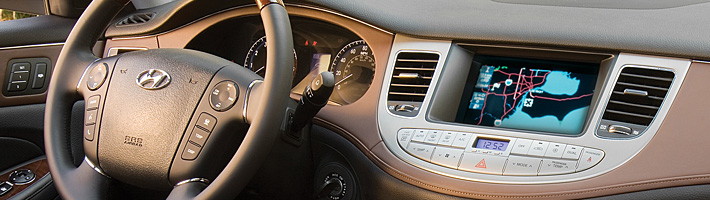
The IVI will enable vehicle makers to built mainstream mobile and Internet-based communications and entertainment solutions into their vehicles using industry-standard technologies. Going with an Atom-based solutions means developers can use tools they’re already familiar with from mainstream computing and embedded environments, reducing the amount of time needed to develop in-vehicle systems and services.
“The new Intel Atom processor-based solution will provide higher flexibility, lower material costs and better performance-density, setting a clear standard for future platform developments,” said Harman CTO and automotive co-president Sachin Lawande, in a statement.
The module is based on Intel’s Atom E6xx series of processors (Tunnel Creek), but can scale up to more powerful solutions using the same connector and pin-out definition footprint.
The announcement comes just a day after Harman announced it has acquired Aha Mobile, a developer of location-based and on-demand Internet services. Aha Mobile develops an audio service that combines users preferences, behavior, and location (such as, where they are in a traffic corridor) to create a customized streaming service, and also permits users to interact with social media platforms like Twitter and Facebook using speech recognition technology.
Harman has a shot at setting a high bar for in-vehicle connected systems: the company already has audio and infotainment systems in some 20 million vehicles from a variety of manufacturers, including BMW, Toyota, Subaru, Mercedes-Benz, and Lexus.