1. Home
  2. Cars
  3. Emerging Tech
  4. Mobile
  5. Legacy Archives

HP wants to take webOS everywhere: appliances, cars, you name it

Add as a preferred source on Google

The TouchPad is rumored to be bombing at retail, but that isn’t slowing down HP’s plans for webOS. Much like Google’s Android ambitions, HP is hoping to embed webOS in smart appliances, gadgets, cars, and just about anything else that has a screen. HP’s new head of webOS, Stephen DeWitt spoke with the WSJ (via CNET) about the potential of the company’s smartphone platform, noting that there is an “enormous amount of interest” in webOS as a platform. 

This stance mirror’s Google’s approach to Android. At its Google I/O conference this year, Google revealed that it is working to integrate Android into smart appliances and a variety of other electronics. HP has been hinting at an expanded future for webOS since it revealed the TouchPad earlier this year. The computer maker plans to integrate webOS into all of its computers by 2012 and is actively looking at licensing partnerships

Recommended Videos

“I happen to believe that WebOS is a uniquely outstanding operating system,” said HP CEO Leo Apotheker during the D9 conference. “It’s not correct to believe that it should only be on HP devices. There are all kinds of other people who want to make whatever kind of hardware they make and would like to connect them to the Internet.”

We are fans of webOS, but if HP hopes to expand the platform, it will have to deal with the performance issues we’ve seen on the TouchPad and Palm Pre devices and work to drum up more interest from the developer community. Currently, webOS is a distant fifth place competitor in the smartphone race, ranking behind Microsoft’s Windows Phone platform. 

Jeffrey Van Camp
As DT's Deputy Editor, Jeff helps oversee editorial operations at Digital Trends. Previously, he ran the site's…
Polestar forced to exit the US market. It’s a shame we won’t see its refined design anymore
Boring EVs caught a break as Americans lose Polestar
polestar-3-ev

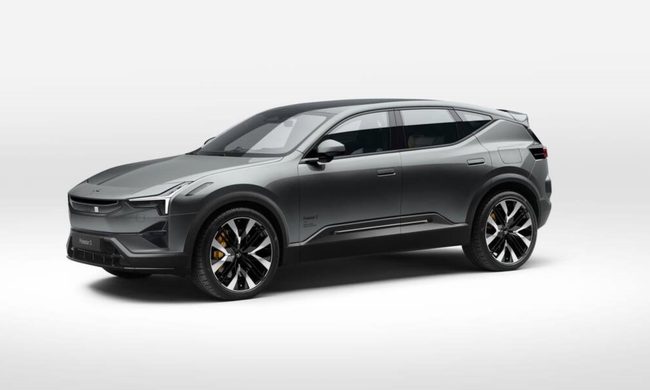
Polestar, the Swedish EV brand controlled by China’s Geely, has been denied authorization under the US Connected Vehicle Rule. As a result, it will not be able to sell vehicles in the US from the 2027 model year onward. The company is not disappearing from American roads overnight. Polestar says it will continue selling existing US inventory of the Polestar 3 and Polestar 4, and current owners will still have access to service support. But for future models, the door is effectively closing unless something changes.

Polestar 3

Read more
The Wild West era of robotaxis is starting to end
New global rules could replace patchwork regulation with stricter safety proof for driverless fleets.
Self driving car from Waymo

Robotaxi rules have entered their first global phase. A UN vehicle standards forum has adopted the first international framework for fully autonomous vehicles, giving driverless fleets a common safety baseline across major markets.

The move lands while robotaxis are expanding from test programs into a bigger commercial race. In the US and China, private fleets more than doubled in 2025 to 8,000 vehicles across more than two dozen major cities.

Read more
Google Meet finally lands on Android Auto, giving you one less excuse to skip a meeting
Android users can now join scheduled meetings and audio calls from their car's dashboard, catching up to what iPhone users have had for months.
Google Meet on Android Auto

Android Auto is finally getting Google Meet, months after the video conferencing app made its debut on Apple CarPlay. Android users can now pull up scheduled meetings and dial recent contacts straight from their car's display instead of reaching for their phone.

How it works behind the wheel

Read more