
Announced by the U.S. Department of Transportation’s National Highway Traffic Safety Administration (NHTSA) earlier today, all new automobiles manufactured on or after May 1, 2018 will be required to include rear-view cameras for increased visibility. While the ruling is specific to vehicles under 10,000 pounds, that also includes all trucks as buses with the 2019 model year. Rear-view cameras mounted on the back of new vehicles will need to display a 10-foot by 20-foot field of view on a digital screen located on the dashboard of the vehicle.
This mandate was driven by the fact that an average of 210 people are killed each year in the United States by ‘backover crashes’ in addition to causing an average of 15,000 injuries. Even worse, nearly a third of the fatalities are young children under the age of five. On the opposite end of the age spectrum, approximately one fourth of the fatalities are older adults at least 70 years of age.
Speaking about the ruling, U.S. Transportation Secretary Anthony Foxx commented “Safety is our highest priority, and we are committed to protecting the most vulnerable victims of backover accidents — our children and seniors. As a father, I can only imagine how heart wrenching these types of accidents can be for families, but we hope that today’s rule will serve as a significant step toward reducing these tragic accidents.”
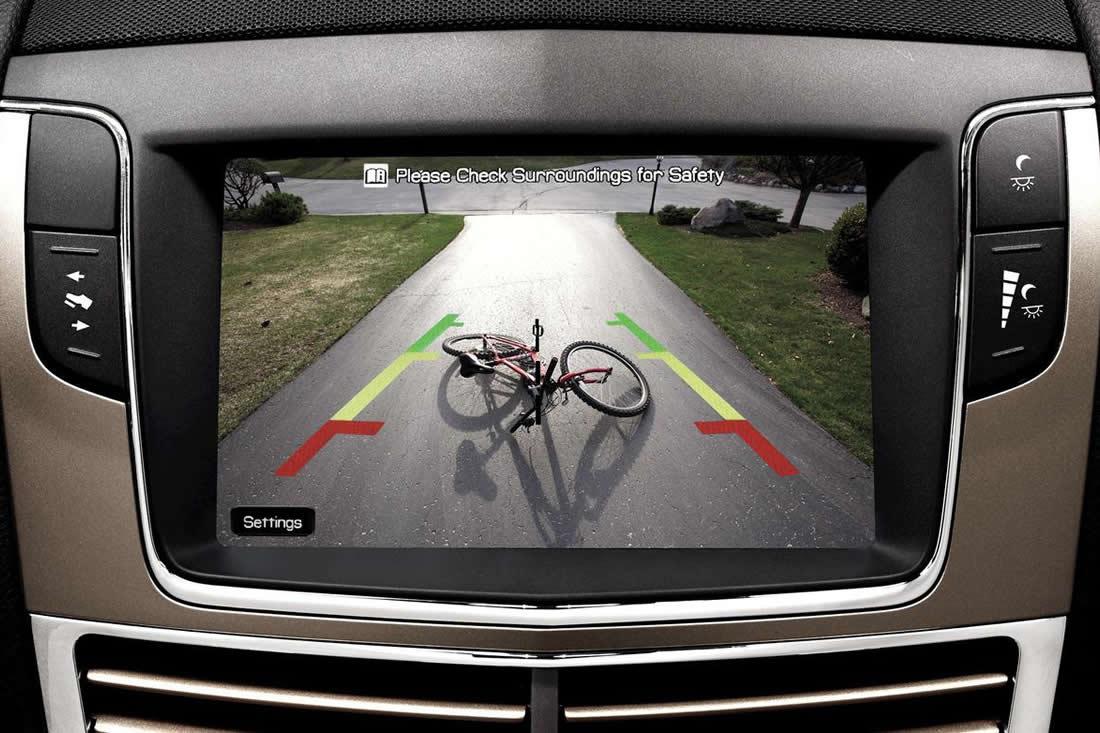
This legislation has been delayed multiple times over the years, but was pushed through with greater ease this year since multiple automobile manufacturers have already started integrating camera technology into base models as a popular selling feature. In addition to increasing safety when backing up, the cameras are also being promoted to reduce the stress of parallel parking or driving a car out of a tight parking spot.
According to USA Today, the manufacturer cost of installing a rear-review camera in a new car is about $140 and the cost to add a camera to an existing, compatible display system is no more than $45. In addition, the NHTSA believes that nearly three fourths of automobiles will have the rear-view cameras installed within the next four years.


