  1. Home
  2. Cars
  3. News

Tesla’s biggest rival just claimed the world’s longest-range EV

A new BYD luxury EV promises record-breaking range numbers

Add as a preferred source on Google
BYD Denza Z9 GT On road
BYD Denza

Electric vehicles have been steadily pushing past the 300-mile milestone for years, but a new contender has just taken range anxiety to a whole new level. BYD’s luxury brand Denza has unveiled an updated version of its Z9 GT EV, and it now claims the title of the world’s longest-range battery electric vehicle.

According to BYD (via CarNewsChina), the refreshed Denza Z9 GT can travel up to 1,036 km on a single charge under China’s CLTC testing cycle, which translates to roughly 644 miles. That figure puts it ahead of every mainstream production EV currently on sale, including long-range offerings from Tesla and other premium rivals.

Recommended Videos

The headline number comes from a massive 122.5 kWh Blade battery pack paired with BYD’s latest electric platform. Buyers will still have multiple range options depending on configuration, with variants offering between 820 km and 1,036 km of claimed driving distance.

Why this matters for EV buyers right now

The Denza Z9 GT sits in the luxury performance segment and is designed as a high-end electric shooting brake, blending sports car styling with grand touring comfort. The model will be available in both rear-wheel drive and all-wheel drive configurations, and it continues to be offered alongside a plug-in hybrid variant for buyers who still want a combustion backup.
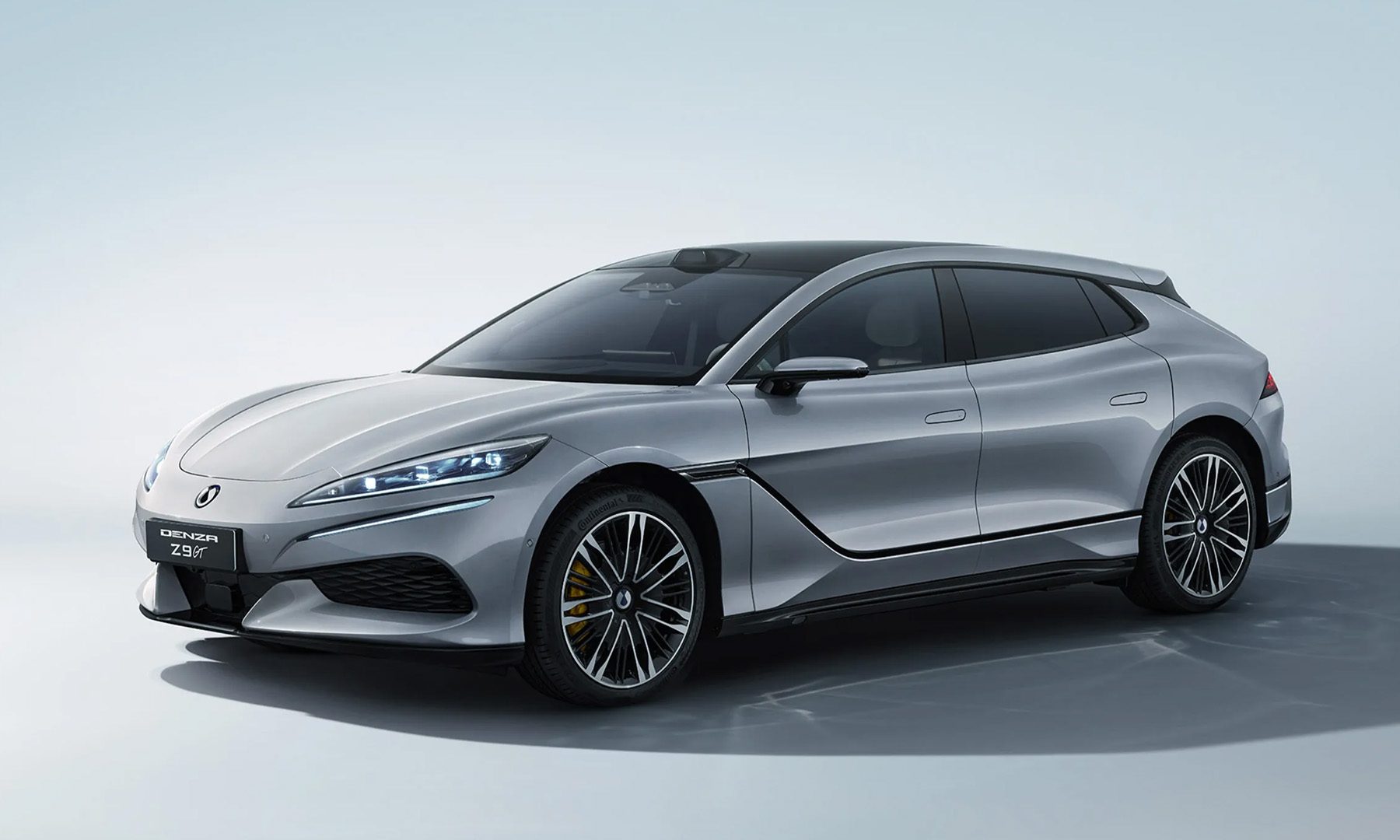
What makes the announcement especially interesting is the scale of the jump. The previous version of the Z9 GT offered up to 630 km of range. The new model increases that by roughly 64 percent, highlighting how quickly battery technology and efficiency improvements are evolving.

There is an even more intriguing twist. Regulatory filings suggest the related Denza Z9 sedan could potentially reach 1,068 km of range, although that figure has not yet been officially marketed by the company. Regardless, the story remains that the EV range race is accelerating faster than expected, and the psychological barrier of a 1,000 km electric car is now officially broken.

Varun Mirchandani
Varun is an experienced technology journalist and editor with over eight years in consumer tech media. His work spans…
Electric cars are getting more pocket-friendly globally, except for US buyers
The US EV market's 2025 decline wasn't about consumer disinterest. It was the predictable result of eliminating financial incentives.
Porsche Cayenne Coupe electric

In 2025, one in four cars sold anywhere in the world was electric. However, in the US, that figure is closer to one in ten, and it is not moving in the right direction. 

The falling EV prices globally have pushed sales to record levels. American buyers, on the other hand, are marching through 2026 with fewer incentives, higher prices, and a shrinking selection of affordable options. 

Read more
Lexus halts plans of an electric car based on the stunning LF-ZC concept and it’s such a bummer
Lexus finally designed a gorgeous EV and then sent it to timeout
LF-ZC concept

Toyota and Lexus may have just shelved one of the most exciting electric vehicle concepts shown in recent years. According to reports from Automotive News and Nikkei Asia, Toyota has halted development of the next-generation Lexus EV that was expected to be based on the futuristic LF-ZC concept.

For EV enthusiasts and Lexus fans, the news is particularly disappointing because the LF-ZC represented one of the clearest signs that Lexus was finally preparing to make a serious leap into the premium electric future.

Read more
Rivian thinks Apple CarPlay is already obsolete and AI is the reason why
Rivian’s AI push could change how you use cars in the future
Rivian R2 in Catalina Blue.

Rivian has once again defended its controversial decision to skip Apple CarPlay and Android Auto, but this time the company says the future of in-car technology is moving beyond smartphone mirroring altogether. According to Rivian’s software leadership, rapid advances in artificial intelligence could soon make the entire CarPlay debate irrelevant.

The comments come as Rivian continues expanding its own AI-powered vehicle software ecosystem instead of adopting Apple’s popular in-car platform. For years, the company has faced criticism from buyers who wanted CarPlay support, but Rivian now believes AI assistants will eventually replace many of the functions drivers currently rely on through their phones.

Read more