
Imagine for a moment you’re at a car dealership. It’s the weekend, you’ve got the kids, and from the way they’re fussing about and crying, you’d have thought some jerk just told them Santa Claus wasn’t real. Oh uh, sorry kids … spoiler alert? At this point you’ve been at the dealership for hours, test driving, haggling, and getting pressured into tacking on more options than you need, all while trying to listen to what the gel-haired salesman has to say without giving way to the nausea his zealous application of cologne is causing you. What’s that you say? Extended warranty? Pre-paid parts and service? Oh and guess what, one of your kids just crapped his pants.
We can all agree that driving a shiny new car is awesome but actually going through the rigmarole of buying one, well … not so much.
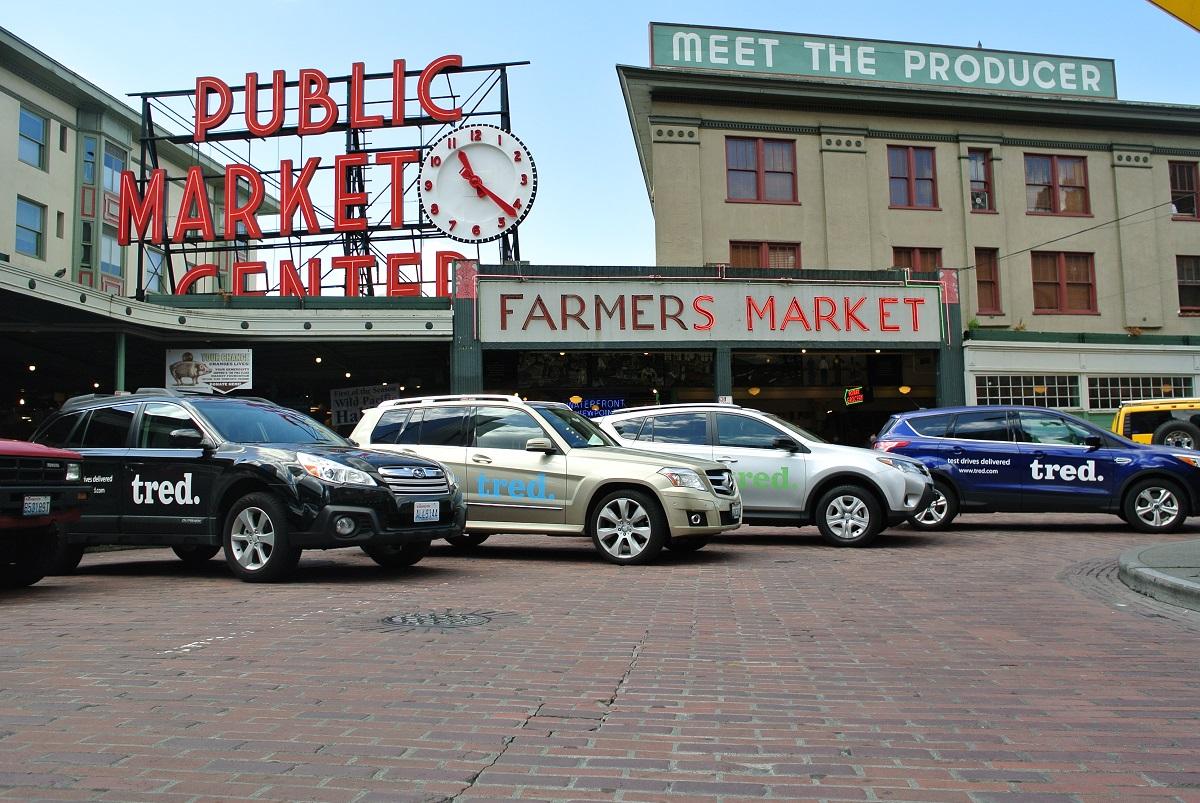
And that’s what Tred, a home delivery test drive and no haggle buying service based in Seattle, Washington, is looking to do away with.
“People with busy schedules really value their time and hard-earned money, so we set out to make better use of both throughout the entire process of buying a new car,” said Grant Feek, founder and CEO of Tred. “Whether it’s helping remove the hassle for parents worried about an impatient toddler on the showroom floor, or eliminating anxiety for someone who dislikes negotiating a sales price, Tred delivers a more convenient way to try before you buy.”
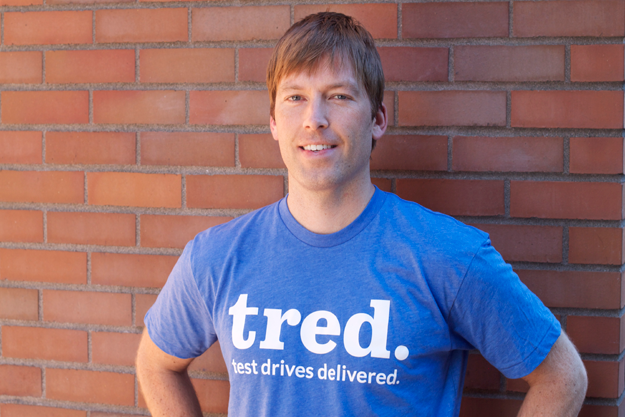
Talking with Grant, it’s clear he’s ultra-passionate about delivering an entirely new, consumer driven car buying experience – one that seeks to eliminate the often negative vibe associated with buying a new car. “We bonus our employees for giving good customer service – not for selling cars.”
That all sounds great, but how exactly does Tred work?
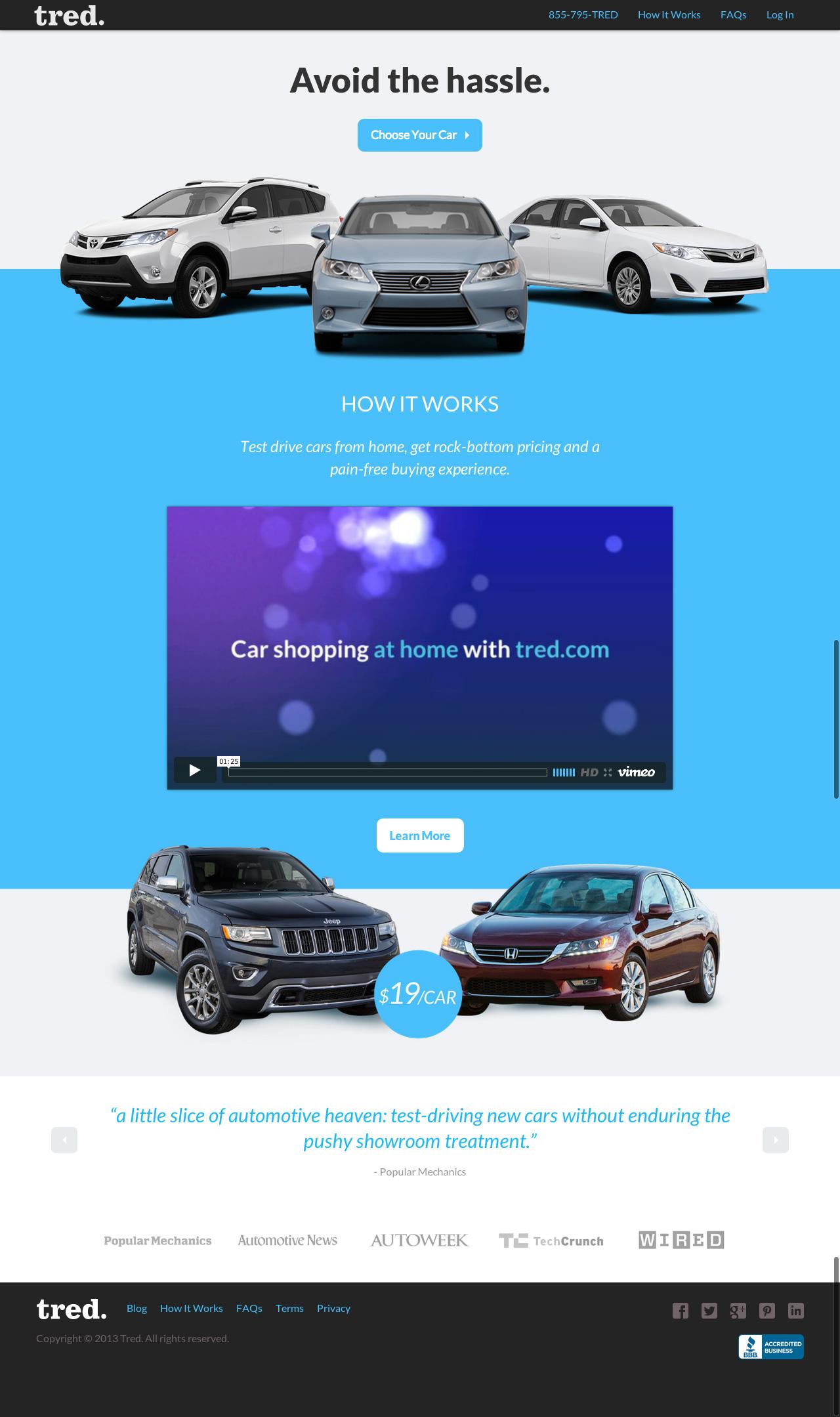
From the way Grant describes it, it’s fairly simple. Interested buyers hit up Tred’s website, either from their phone, tablet, or computer. From there, they answer a few questions before picking out a car or cars to test out. Along with a nominal fee of $19.00, the car is then delivered to your home or office by a Tred auto expert.
It’s the “test drive fee” – which Grant is eager to clarify as more of a convenience delivery fee than anything else – that may ward off consumers, but as Grant believes, the added convenience and hassle-free environment should more than sell customers on the idea.
“Because they’re delivered to your home or office, you can sort of easily discover basically what it would be like to sort of live with the car,” Grant explains. “So if you’re considering the Honda CRV or Toyota RAV 4, you can schedule them side by side and do a cargo test and all that stuff.”
According to Grant, the whole process lasts about an hour. Once delivered, an exterior/interior curbside presentation is given by one of Tred’s auto experts. The test drive portion is typically conducted within 15 miles and lasts about 20-30 minutes. An overnight option is also available to buyers willing to trade a car in as collateral, adhere to a 30 mile drive limit, and return the car back to the dealer within 24 hours.
This isn’t just a superficial test drive either. As Grant goes on to explain, “we really recommend that you test braking and acceleration, try to park it. And then when you get back to the house, we recommend a garage test and a cargo test. So children, pets, baby strollers – whatever you have, shove it in the car.”
But just how much of a no hassle experience is Tred providing here? Speaking to that question, Grant aptly points out how consumer trends are changing, how people are accustomed to different buying experience than what is currently being delivered by many brick and mortar dealerships.
 As Grant says, “if you’re sort of this Gen Y person in your 20-30s, you’re used to using Zappos and Nordstrom’s with really good customer service, which is now a prerequisite. And we want to help dealers get to that level.”
And it’s really the dealers that benefit from Tred’s service, too. According to Grant, Tred is converting 40 percent of its test drives into sales.
The company is partnered with a number of dealerships in the Seattle/Bellevue area, which Grant tells me represents 90 percent of the automotive industry, and includes such brands as Ford, Chevy, BMW, Audi, and Mercedes-Benz, to name a few.
Of course ultra-luxury and exotic brands like Maserati, Porsche, and Ferrari are not available to test drive. And while Tred will happily let you get behind the wheel of an Audi A7, it won’t be able to drive up to your home or office in an R8. Bummer.
Even though it’s clear Tred is actively working with dealers, Grant is once again eager to point out the company’s true priorities.
“We’re trying to set up their system so their drivers are incentivized not to sell or upsell but to provide the best customer service. All hires have four year college degrees; all have worked in automotive, but we don’t take anyone that has worked in a sales capacity. They are all used to presenting cars in way that is not ‘sales-y.’”
He adds, “The most important thing about our process is that we’re not compensated for selling you cars, we’re compensated to give you really good customer service and to make you happy. So we’re impartial to brands, we’ll never give an opinion; we just sort of give statistical analysis of the car.”
But just how impartial are Tred and its auto experts? The reality is the dealer network Tred is connected to also pays Tred a fee to operate its service, and I can’t imagine them being too pleased if test drives don’t eventually equate to sales. So while Grant is no doubt being genuine when he says that customer service is the company’s priority – and that his team is rewarded for providing an exemplary experience, not sales – the truth is Tred and the dealership share more of a fate than is being admitted. And at some point the hens will need to come home to roost.
There is also Tred’s convenience fee to consider. While most will find $19.00 reasonable, many out there will absolutely refuse to pay for a service that they could (sort of) get for free by simply heading down to the dealership.
As I mentioned, Tred is currently limited to the Seattle/Bellevue area, and is only available for customers purchasing a new car. If all goes well, Grant says the service would eventually like to expand out to all major cities. And if that happens, well it looks like buying a new car could start to suck a whole lot less.


