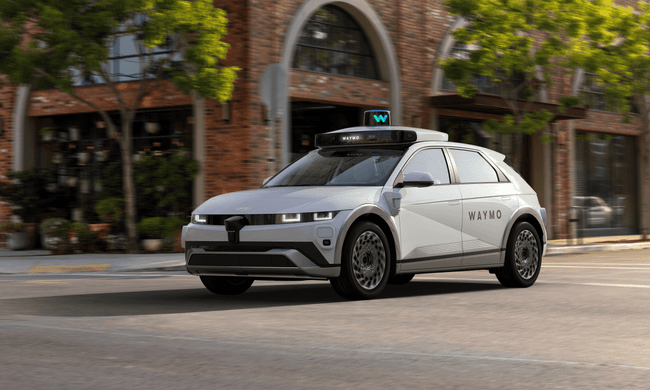
Waymo has revealed that it’s developing a self-driving truck. The Alphabet-owned company — formerly operated by Google — said it’s looking at ways of incorporating into trucks the self-driving car technology it has been working on since 2009.
Commenting to BuzzFeed about the new venture, a Waymo spokesperson said: “Self-driving technology can transport people and things much more safely than we do today and reduce the thousands of trucking-related deaths each year.
“We’re taking our eight years of experience in building self-driving hardware and software and conducting a technical exploration into how our technology can integrate into a truck.”
The company confirmed it currently has one truck on the road, though at the current time it’s being driven manually for the purposes of collecting performance data.
Self-driving delivery trucks?
Interestingly, a Google patent that surfaced in early 2016 revealed how it might one day use its self-driving technology for delivery trucks. The documents described a truck with a large number of storage lockers containing ordered items destined for customers. The autonomous delivery vehicle would automatically send an alert to a customer as it nears their home. Once it arrives, the customer can take their package by swiping a payment card or entering an access code.
While any such neighborhood delivery service is clearly a long way down the road, Waymo’s revelation that it’s now working on incorporating its technology into much larger vehicles certainly brings the possibility of a self-driving delivery truck a step closer.
Before now, the likelihood was that the technology would first be used to help human drivers operate their vehicles more safely, before more advanced technology enabled driverless trucks to make long-distance trips delivering commercial goods.
Uber and Otto
Waymo’s new project puts it in direct competition with Uber, which besides investing in its own self-driving car project is also backing the development of an autonomous truck after it acquired Otto in 2016 for $680 million. Interestingly, Otto was founded in early 2016 by two former Google employees, one of whom worked on Google’s self-driving project and who is now at the center of a Waymo lawsuit targeting Uber.
The lawsuit accuses Anthony Levandowski — who incidentally was fired by Uber on Tuesday, May 30 — of stealing confidential files related to Waymo’s self-driving technology and using the information to launch Otto. Levandowski denies any wrongdoing while Uber insists it’s not using driverless car technology stolen from Google.