
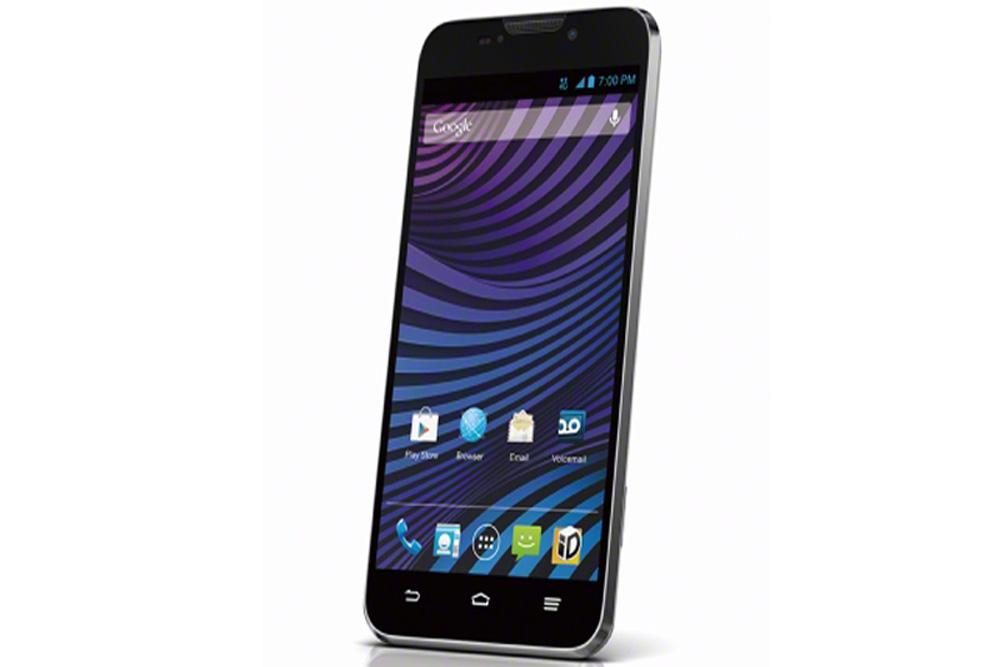
“The Sprint Vital is a respectable Android phone with a comfortable design, good screen, and a few standout features. Sadly, battery life and call quality hold it back.”
- Attractive, comfortable design
- Vivid screen
- Android Jelly Bean (Unmodified)
- Camera capable of capturing good images
- Smooth and speedy performance
- Mediocre battery life
- Poor call quality
- Screen attracts fingerprints
- Only 8GB of internal storage
“Why you can trust Digital Trends – We have a 20-year history of testing, reviewing, and rating products, services and apps to help you make a sound buying decision. Find out more about how we test and score products.“
ZTE hasn’t yet released top-tier phone that competes with the big guys like the Galaxy S4 and iPhone. Most of its Android devices are in that low or mid-range market where you don’t typically see much excitement – not until recently, that is. In the last six months, mid-priced phones with specs reminiscent of last year’s hotshots hit the carriers, offering customers a nice balance between affordability and function. The $100 Sprint Vital (made by ZTE) hopes to impress buyers looking for such a device.
Call quality on the Vital isn’t great on either end
Looks like a GS2, but picks up more fingerprints
One could be forgiven for mistaking the Sprint Vital for a Galaxy S2 at first glance. The rounded corners, rectangular shape, and touchscreen navigation buttons – Home, Back, and Menu – under the screen certainly evoke Samsung’s style, as does the comfortable curved back that adds to the overall holdability of the phone. If ZTE took inspiration from the Galaxy line, we’re glad they picked the better elements. That’s not to say the Vital is an S2 clone. Design choices like the blue hue on the soft-touch back cover give the phone a signature style.
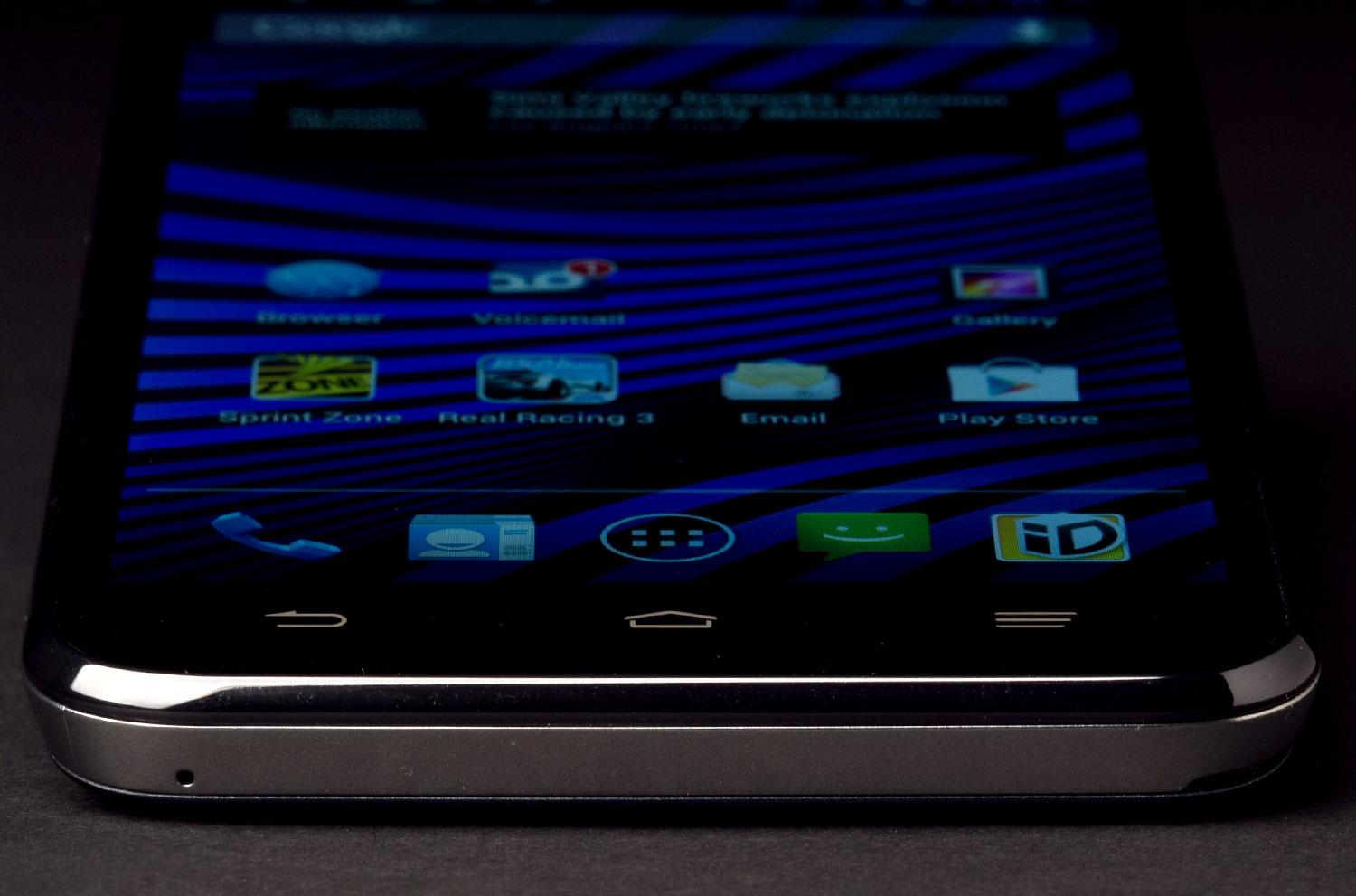
The Vital is taller than the HTC One and the Galaxy S4 but has the same size display as the latter. While the phone is narrow enough to use with one hand and easy to grip, the extra length means one-handed users will end up shuffling the phone up and down to get at the power button on the top edge (a common problem on phones, including the iPhone 5). Otherwise, the lightweight and comfortable grip on the sides makes the Vital a nice phone to hold.
The plastic back pops off so owners can access the battery, SIM, and microSD card slot. One last distinctive design touch is the circle enclosing the rear-facing, 13-megapixel camera and flash. This adds a dash of personality, but the glass over this area immediately gathered fingerprints.


The 5-inch, 1280 x 720 pixel resolution screen also retains fingerprint smudges at a more than we’d like. After just a few hours of use we had to break out the cleaning cloth. The brightness of the screen mitigates this a little, though the smudges impact touch performance as they build up. Sunlight visibility is acceptable when the brightness is at full strength and in general the screen’s vivid colors impressed. Viewing angles are wide enough that we could tilt the phone while playing games like Temple Run 2 and still see what’s happening.
Audio quality is average for a smartphone and the volume from the back speaker loud enough to hear over medium background noise. It’s decent for speakerphone calls and won’t disappoint if you want to share YouTube videos.
Clean Android interface and decent preloaded apps
The Vital runs Android Jelly Bean 4.1 – not the very latest version, but not so far behind that owners will feel cheated out of features. ZTE decided to offer Android as is, without a custom user interface skin, and that’s fine by us. There is one odd tweak: instead of accessing Google Now by swiping up from the bottom of the screen, you have to hold the Home button (also how you access Recent Apps) and tap the Google search icon in the corner.


Otherwise, the only thing Sprint added are pre-loaded apps; several we could do without. A few of these apps are specific to the carrier and a handful of others we see on all of the company’s Android handsets. Most of these are unnecessary, such as the Sprint Zone app store, Sprint TV and Movies, BaconReader, Scout, etc. Lookout Mobile is nice to have at the outset since many Android owners don’t properly protect their phone against malware and theft. The SprintID app packs and themes can be useful for owners new to the platform.
ZTE didn’t do much except modify the stock apps such as Mail, Calendar, and Music. It also added the Twonky media server and the Mi-POP app. The latter is an odd addition since it’s meant to replace the soft Home, Back, and Recent Apps buttons in Jelly Bean, which the Vital does not utilize since it has hardware ones. The bright spot is that the Swype keyboard is installed.
A solid 13-megapixel camera
One stock app that benefits from a major tweak is the camera app supporting the 13-megapixel shooter on the back. We always say this about phone cameras, but it bears repeating: don’t fall into the trap of thinking that a high megapixel count is an indicator of quality. The software is often more vital, and in some cases a good stable of settings in the camera is what makes the most difference.
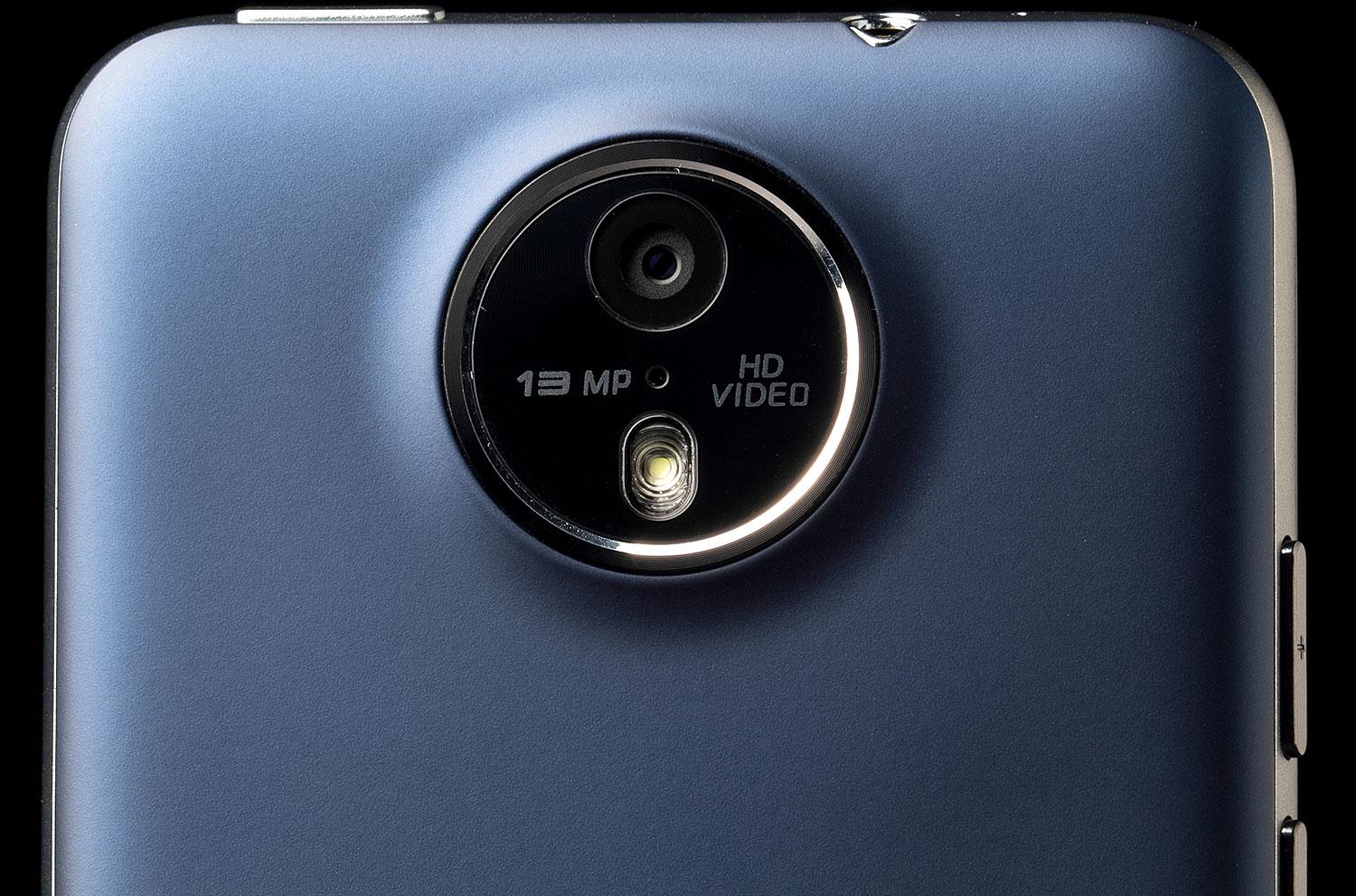
ZTE crafted the camera app well, offering owners a large number of options that help improve picture quality like HDR, white balance control, and a ton of modes that automatically adjust to different lighting conditions and scenarios (low light, fast movement, etc.). Using these will gain you some decent pictures, especially HDR since the camera tends to over-emphasize bright spots. The Vital struggles most in low light and though the shutter is fairly fast, subjects in motion will be a little blurry if there’s any movement. This is also not the right camera phone for close up shots, despite having a Macro mode. Even with these drawbacks the overall quality is impressive for a mid-range phone.


The front-facing camera is decent enough that you won’t look too pixilated in video chats. Just stay in a well-lit area.
Decent specs, weak battery life
Behind the screen, a dual-core processor, 1GB RAM, and 8GB internal memory run the show (good thing the microSD slot takes cards up to 64GB). During our time with the Vital, it was snappy – everything from opening apps to playing games felt smooth. The Vital scored 6,108 on Quadrant, which is better than competing phones with similar specs, such as the Pantech Discover, Galaxy S3, and Galaxy Express.
ZTE decided to offer Android as is, without a custom user interface skin, and that’s fine by us.
We often joke that people rarely use the phone part of smartphone, but when you make a call, you want to hear and be heard. Unfortunately, call quality on the Vital isn’t great on either end. Voices through the earpiece don’t come through clearly and we noted some static. Volume isn’t loud enough via the earpiece, either. On the other end, people we called reported our voices lacked roundness; volume and the noise canceling in a medium noisy environment also wasn’t so hot.
The Vital’s 2500mAh battery very quickly dipped below 50 percent with heavy usage on a weak LTE signal and only lasted about 9 hours total. With more conservative usage owners might be able to squeeze a longer day out of it. People who spend a lot of time with the screen on while texting, looking at social media or email, and taking pictures, will need to top off during the day.
Conclusion
The Sprint Vital fits comfortably in with other mid-range Android phones in the $50 – $100 price range. It combines some elements and features found on flagship phones with internal hardware that was high end last year and is now affordable. Call quality and battery life aren’t great, especially compared to competing phones like the Galaxy S3. However, stock Android is a big draw for many customers. Bottom line: the Vital is worth checking out if your budget is tight.
Highs:
- Attractive, comfortable design
- Vivid screen
- Android Jelly Bean (Unmodified)
- Camera capable of capturing good images
- Smooth and speedy performance
Lows:
- Mediocre battery life
- Poor call quality
- Screen attracts fingerprints
- Only 8GB of internal storage


