
AMD’s latest laptop CPU range is huge, and the lineup covers not just Zen 4 processors. In fact, buying a laptop with a Ryzen 7000 processor could mean you’re getting a Zen 2, Zen 3, Zen 3+, or Zen 4 chip.
Because the naming scheme is so confusing, it’s easy to imagine that less inquisitive consumers might feel a little lost. AMD seems to have found a way to remedy this, but is this really the perfect solution?
AMD is serving up some of the best processors for laptops in this generation. The range covers just about every use case you might think of for a laptop, from AAA gaming to light office work. While the lineup certainly has its merits, it’s hard not to be confused by the way AMD chose to name all these different chips.
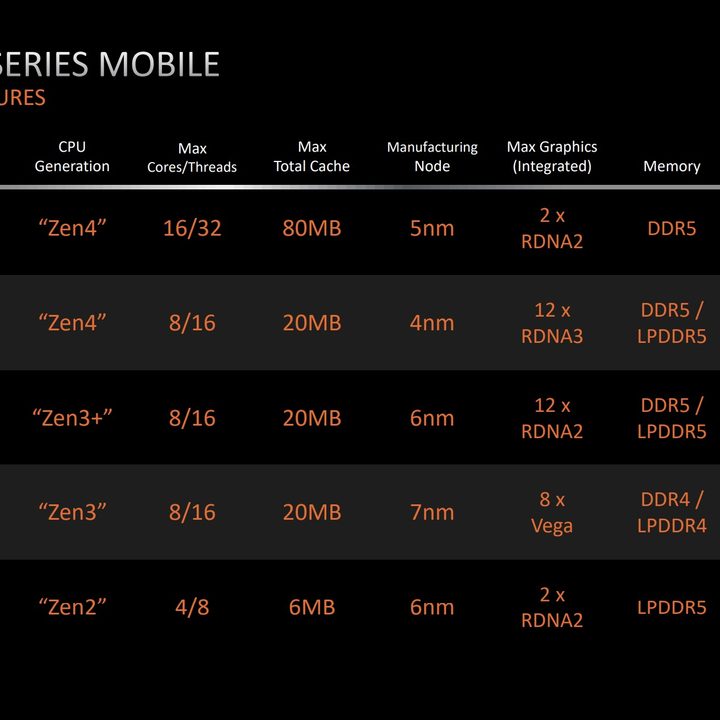
Under the Ryzen 7000 umbrella, consumers will find processors built on the Zen 4 architecture (Ryzen 7040 and Ryzen 7045 series), but there are also older architectures. Ryzen 7035 series equals Zen 3+, Ryzen 7030 — Zen 3, and lastly, Ryzen 7020 belongs to the Zen 2 family.
Of course, to some extent, this naming scheme makes sense. The highest number roughly equals the best performance, but still, it’s not as simple as that. For example, Ryzen 7040 laptops feature RDNA 3 graphics, but the gamer-oriented Ryzen 7045 sticks to RDNA 2 because those chips are usually paired with some of the top discrete graphics cards. Similarly, we can’t expect Ryzen 7020 chips to perform anywhere near the level of their Zen 4 counterparts, and yet, they all share the same “Ryzen 7000” branding.
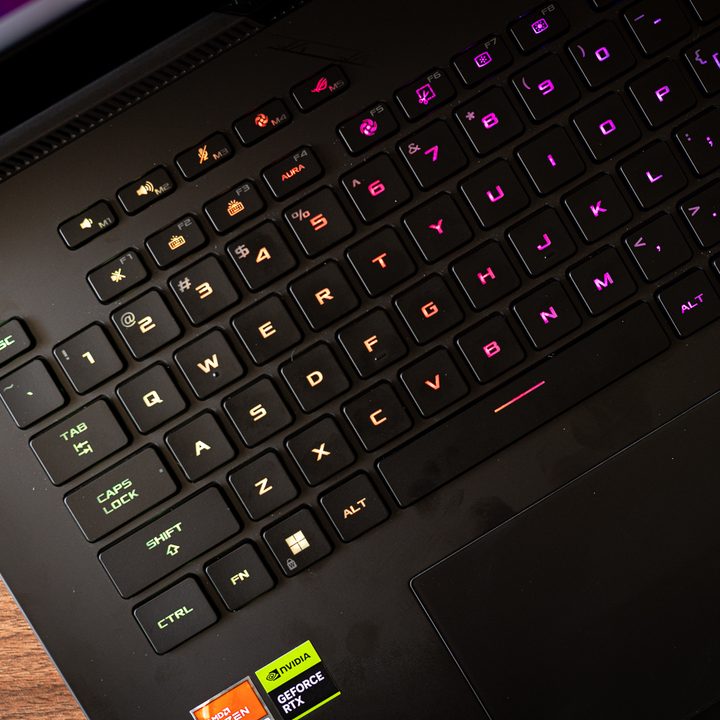
To make shopping easier, AMD has now released a quick guide (first shared by VideoCardz) on how to tell the older architectures apart from the newer chips. The names will stay the same, but if the laptop sports an orange sticker (pictured above on the Asus ROG Strix Scar 17), it means that it houses a Zen 4 processor (meaning either Ryzen 7045 or Ryzen 7040). If it has a grey sticker with the old Ryzen logo, it’s based on Zen 3+, Zen 3, or Zen 2.
The sticker is an easy visual cue for those who know what to look for, but for those who don’t, it won’t mean much. Unfortunately, AMD’s naming scheme in this generation of mobile chips could open the door for retailers to advertise a laptop as having a Ryzen 7000 chip without disclosing which chip it is exactly in a visible way. For some buyers, this will be enough to assume they might be buying something better than what they are getting.
If you’re thinking of buying a new laptop, make sure that you always check the exact specifications, because just knowing that it has a Ryzen 7000 CPU doesn’t mean anything much.


