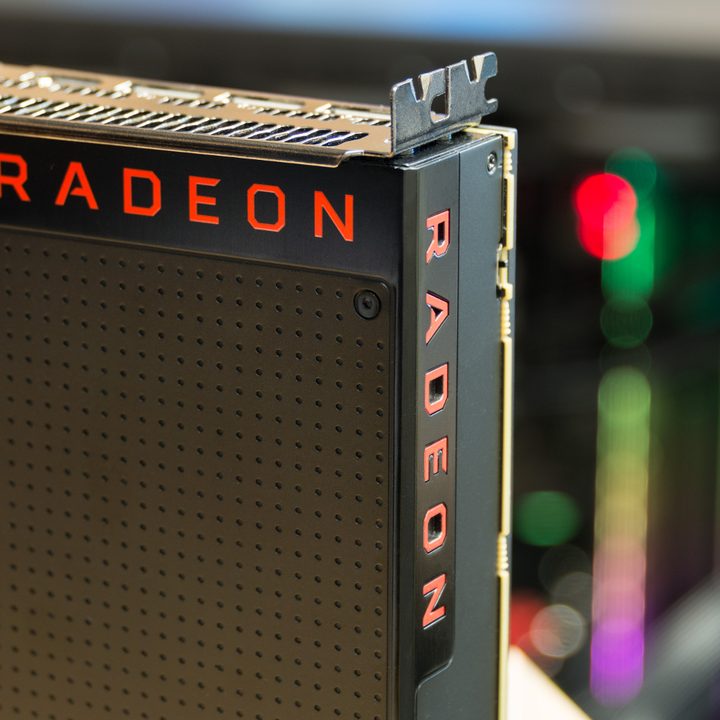
Cryptocurrency miners continue to change the landscape of the GPU market, and it looks like they may have even pushed AMD’s GPU sales to record highs. According to Tech Radar, AMD’s GPU market share rose from 27 percent to 33 percent in the tail end of 2017, and Nvidia’s market share fell from 72 percent to 66 percent. That’s a big change, and one that directly affects AMD and Nvidia’s bottom lines.
Part of the reason for the shift in AMD’s favor could be simply because of the GPU manufacturer’s already low prices. Compared to Nvidia, AMD graphics cards have always been the favorite of budget-conscious PC gamers, offering almost the same amount of graphical horsepower as comparable Nvidia graphics cards at slightly lower prices. Those naturally lower prices meant AMD graphics cards could bear a higher price increase while still remaining viable to cryptocurrency miners looking to buy graphics cards in bulk.
According to Jon Peddie Research, graphics cards manufacturers sold around three million GPUs to cryptocurrency miners in 2017, or roughly $776 million in total sales. That’s nearly a billion dollars pumped into the GPU market by cryptocurrency miners alone. It’s a growing segment of Nvidia and AMD’s markets so it will be interesting to see how each company deals with shortage issues without alienating this growing industry.
Tech Radar speculates that the boost to AMD’s sales could have been the result of Nvidia’s open support of PC gamers who have criticized cryptocurrency miners for causing a GPU shortage and pushing prices to unacceptable highs. Feeling more supported by AMD could have meant more miners bought AMD products, but it’s more likely that crypto outfits just looked at prices and picked whichever one would maximize their returns.
Nvidia has reportedly floated the idea of developing graphics cards designed solely for GPU mining in order to offer an alternative for crypto miners, so gamers aren’t priced out of the GPU market entirely. The problem remains that video memory is in short supply. Increasing production of GPUs and introducing a new product like the proposed “Turing” cards could mitigate the current price increases in the short term, but it remains to be seen if prices will fall or if PC gamers will just have to deal with the new reality of paying double for midrange graphics cards.