
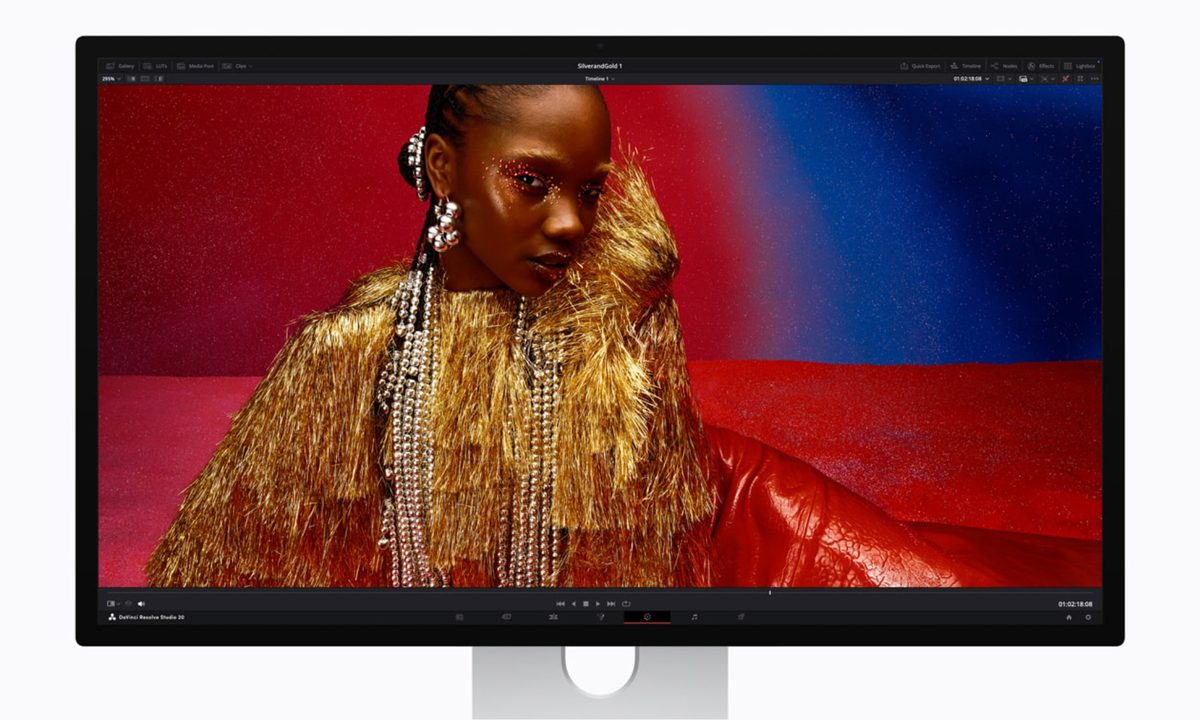
Apple is ending the Pro Display XDR era with a brand-new professional-grade monitor called the Studio Display XDR. It arrives as a new flagship standalone monitor that takes premium display technology and places it into a smaller, brighter, and relatively more affordable package.
The Studio Display XDR inherits many of the advanced features creators love from the last-gen model, while improving brightness and adaptability for improved creative and professional workflows.
Classic Studio Display features, now XDR enabled

Like its non-XDR sibling, this model retains a 27-inch 5K Retina panel with a 5,120 x 2,880 resolution. But the Studio Display XDR takes things to another level with miniLED backlight tech and extreme dynamic range. The miniLED backlight panel arrives with 2,304 dimming zones for deep blacks and precise brightness controls. It can hit up to 1,000 nits SDR brightness, while HDR takes the peak to an impressive 2,000 nits. You also get a 1,000,000:1 contrast ratio for better shadow details and highlight punch.
Pro-level motion and color tools
The Studio Display XDR packs some features uncommon for professional monitors, like a 120Hz refresh rate and Adaptive Sync. This makes motion smooth, which can be helpful for video editing, animation, and even gaming-related workflows. There is wide color support, including P3 and Adobe RGB gamuts, which makes it ideal for designers and print.
Camera, audio, and connectivity

Apple keeps a strong integrated media hardware on both Studio Display models:
- 12MP Center Stage camera with Desk View support that keeps users frame in video calls.
- A three-microphone array with directional beamforming.
- Six-speaker sound system with Spatial Audio support.
- Thunderbolt 5 connectivity with multiple other downstream ports and up to 140W host charging on the XDR model, which can even power a MacBook Pro.
This makes the Studio Display a true all-in-one display solution for creative professionals, with fewer external hubs needed for other peripherals.
Pricing and availability
Apple’s Studio Display XDR will be available for pre-orders starting on March 4th, 2026, with availability beginning on March 11. The monitors start at $3,299, with options for nano-texture glass and multiple stand configurations (optional VESA mount adapter).


