
While schools around the world are still debating whether artificial intelligence should be restricted in classrooms, Estonia has chosen a radically different approach: give students more AI, not less. The Baltic nation has distributed free ChatGPT access to nearly 20,000 high-school students as part of a nationwide experiment that could reshape how education systems think about AI-assisted learning.
According to a report by The Wall Street Journal (WSJ), the initiative targets 10th and 11th-grade students across Estonia and represents one of the first large-scale attempts to integrate generative AI directly into national education systems rather than treating it as a threat. Officials realized early that students were already using chatbots extensively for homework and learning tasks, making outright bans increasingly unrealistic.
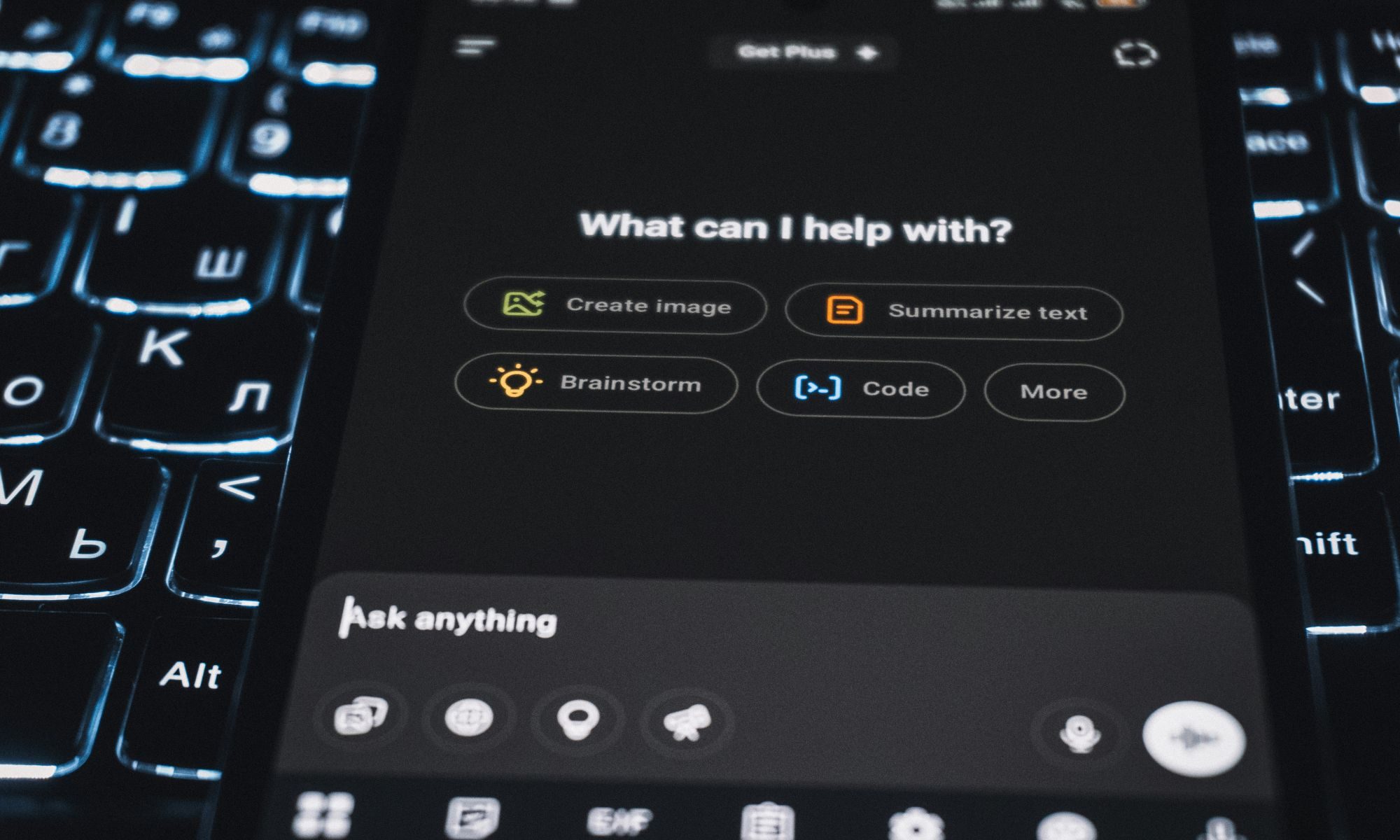
Instead of fighting AI adoption, Estonia decided to redesign how students learn around it. The country partnered with OpenAI and Google to roll out customized educational versions of ChatGPT and Gemini designed specifically for classroom use. Unlike standard chatbots that may simply provide answers, Estonia’s “Socratic” AI versions are intentionally built to guide students through reasoning and problem-solving rather than completing work for them directly.
Estonia is trying to stop AI from becoming a thinking replacement
Teachers across Estonia are already experimenting with entirely new teaching methods shaped around AI. One English class had students converse with ChatGPT, role-playing as guests at the famous 1816 gathering where Mary Shelley conceived Frankenstein, then discuss the experience together in class. Another school assigns chatbot-assisted exploration at home before using classroom time for deeper discussion and analysis.
The broader concern driving the initiative is what educators increasingly call “AI brain rot” – the fear that students may become overly dependent on chatbots and stop developing critical-thinking skills on their own.
Researchers in Estonia, working alongside Stanford University and OpenAI, are now studying how coordinated AI adoption affects reasoning, retention, confidence, and learning behavior. Early results are expected later this year and could become some of the most important research yet on AI’s long-term educational impact.
The student response has been mixed. Some students reportedly use the AI tools for revision, brainstorming, and exploring topics, while others try to bypass restrictions to get direct answers for assignments. A smaller group rejects AI entirely out of concerns about creativity, ethics, environmental impact, or intellectual dependency.
One student even described avoiding AI because of fears of “brain atrophy.”
The experiment could influence how schools worldwide approach AI
The stakes are much larger than Estonia alone. OpenAI reportedly sees Estonia as the first step in a broader global rollout of educational AI systems for secondary schools. Other districts worldwide, including parts of the United States, are already introducing classroom AI programs of their own.
The challenge, however, is balancing AI assistance with genuine learning. Research cited in the project suggests students who rely too heavily on AI can perform worse when forced to work independently during exams. One study found students using unrestricted ChatGPT saw significant performance drops when AI support disappeared.

Estonia’s solution is not to remove AI from classrooms, but to redesign education so that AI becomes a thinking partner instead of a shortcut. Whether that strategy succeeds remains uncertain. But as generative AI becomes impossible to separate from modern education, Estonia may end up becoming one of the world’s most important test cases for understanding what learning in the AI era actually looks like.