February may be Black History Month, but in reality, we should always celebrate the inventors who changed the world with their ideas, hard work, and dedication. Below, you’ll find just a few of the influential people who made a giant impact on the technology field. Next time you turn on your lights, answer a call, hop on social media, or order something online, keep in mind how one of these inventors helped pave the way for our modern tech conveniences.
See more
- Eight games by Black developers you may have missed
- For Beats by Dre, amplifying Black culture is an always-on effort
- The best movies to stream for Black History Month
Otis Boykin: Wire precision electrical resistor
1920-1982
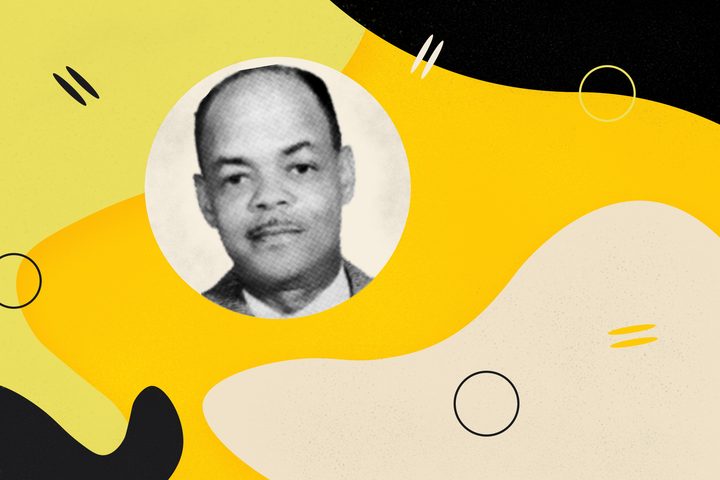
Thanks to the work of Boykin, we can now designate an accurate resistance value to wiring in our electronics. This has made it possible for our TVs, PCs, and radios to move leaps and bounds to the modern devices we have today. Boykin’s work also helped lead to the implantable pacemaker — a medical device that’s used by millions to treat heart conditions.
Mark Dean: Assisted in creating the first Gigahertz chip, color PC monitor, and more
1957-
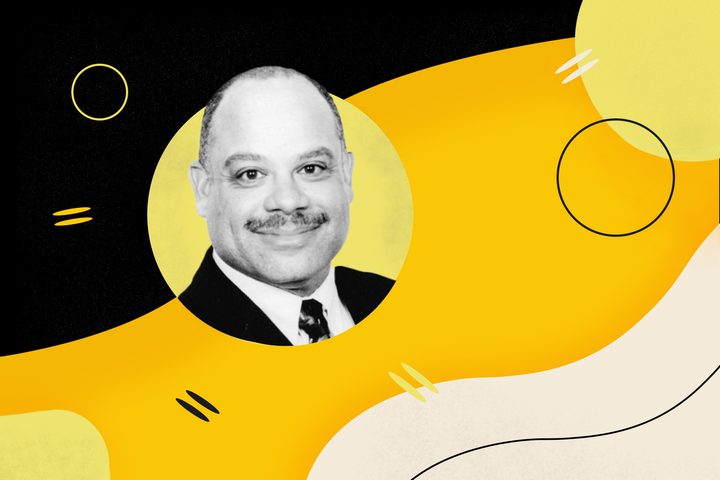
Mark Dean — a computer scientist, engineer, and named IBM Fellow — worked with IBM to develop technologies like the first Gigahertz chip. Dean has received numerous honors since then and went on to earn a doctorate from Stanford. His work has been monumental and continues to impact our day-to-day life in many ways, paving the way for today’s computers and gaming consoles.
Jesse Russell: Cellular communications
1948-

Each time you pick up your smartphone, think of Jesse Russell. Over decades of work in the telecommunications field, Russell played a large part in getting cell phone communications to where they are today, with numerous patents in the field for innovations like his wireless communication base station and mobile data telephone.
Fredrick McKinley Jones: Automatic long-haul truck refrigeration system
1983-1961
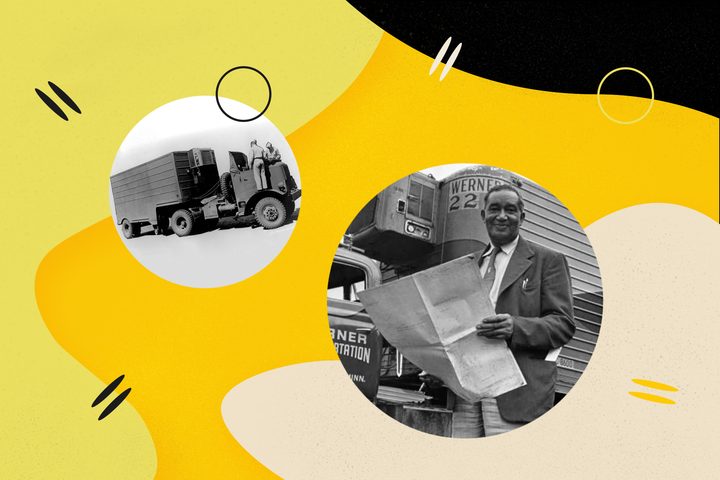
Another inventor we have to thank for our modern-day conveniences is Fredrick McKinley Jones. He made it possible to ship items that need to stay cool, with numerous patents in refrigeration. He also contributed to other industries, specifically film, as well as the medical field. Just know when you purchase produce at the store or order perishables online, Jones’s work helped make it possible.
Jerry Lawson: Fairchild Channel F video game console and cartridge
1940-2011
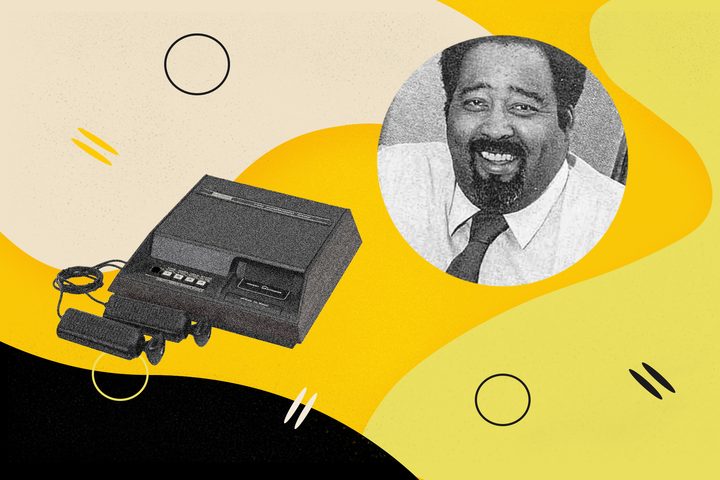
Lawson helped create the Fairchild Channel F console, the first cartridge gaming system, in 1976. With games like video blackjack, bowling, checkers, and slot machine, it was nothing like the games we have today. But, without Lawson’s work, we might not have today’s high-graphics titles or consoles. Some people even refer to Lawson as a father of modern gaming.
Alice H. Parker: Gas furnace
1895-1920
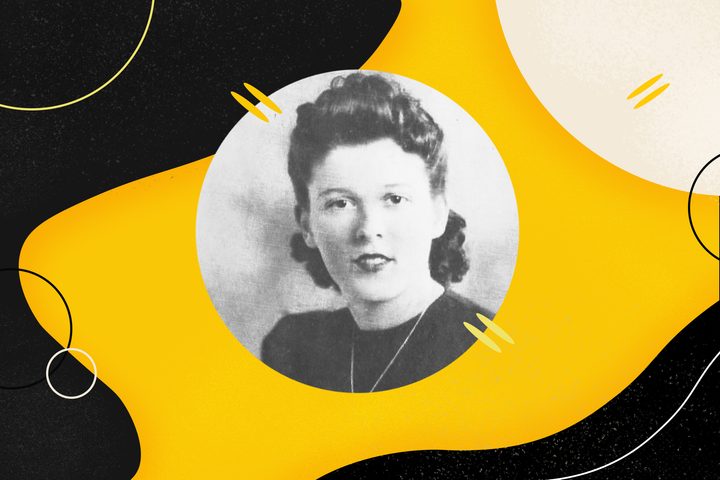
Alice Parker patented a natural gas furnace in 1919. Her invention helped modernize the HVAC industry and central heating systems, allowing for greater conservation of energy and moving us away from a reliance on wood and coal. Needless to say, our homes are now much more comfortable thanks to her revolutionary concept.
Garrett Morgan: Three-position traffic signal
1877-1963
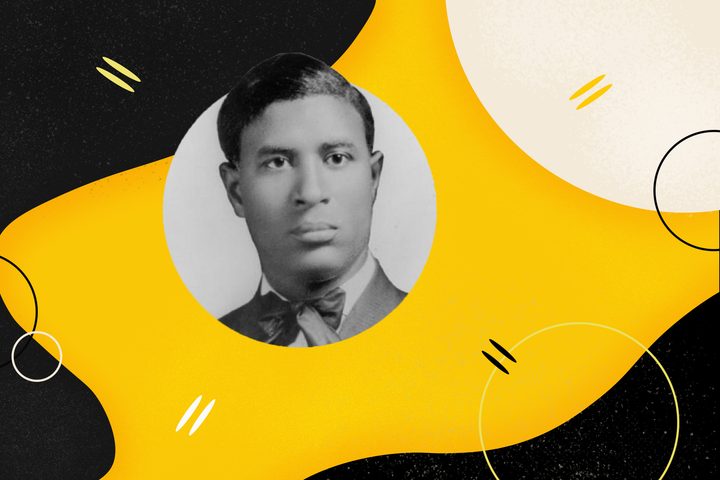
Being stuck in traffic at a signal is the worst, but these signals play a vital part in traffic regulation. Morgan created an automated signal in a T-shape with three positions, including a warning position. He sold the invention for $40,000.
Roy Clay: Computer science pioneer
1929-
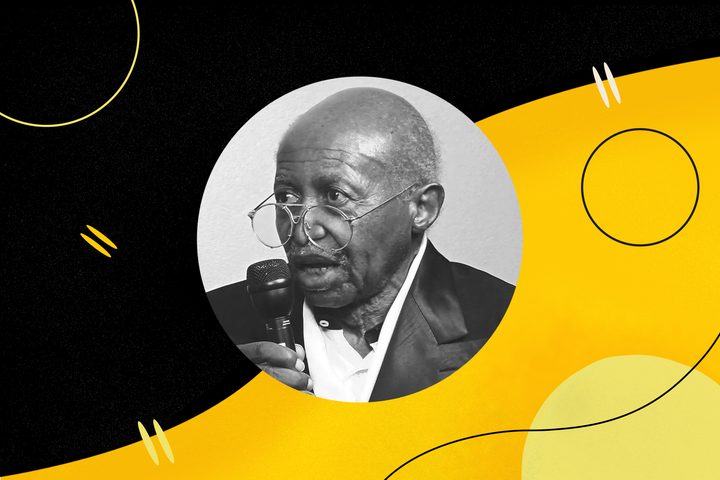
In the 1960s, Roy Clay led the team at HP that came out with the 2116A. He also developed software for the computer. A hugely influential figure in modern technology, Clay worked to develop electrical safety testing equipment and has helped others get involved in the tech industry.
Marie Van Brittan Brown: Home security system
1922-1999
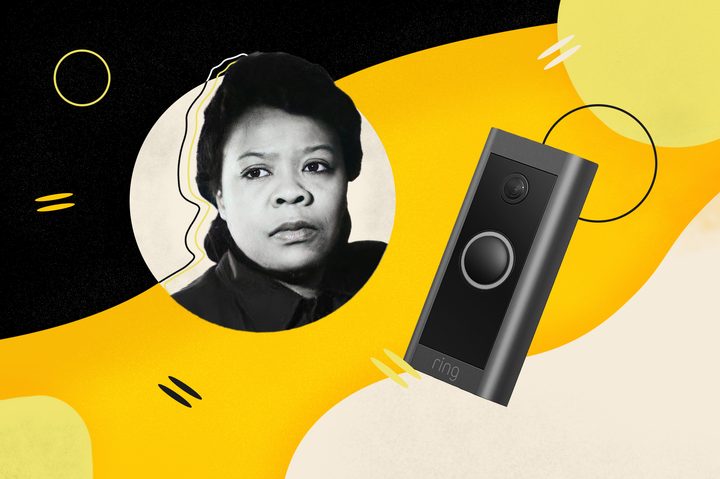
Credited with creating the first home security system, Marie Van Brittan Brown filed a patent for her closed-circuit television security (CCTV) system invention in 1966. CCTV systems are still used to this day, and thanks to Brown’s contribution, homes and businesses across the world have affordable access to home security.
Shirley Jackson: Charge density wave research
1946-
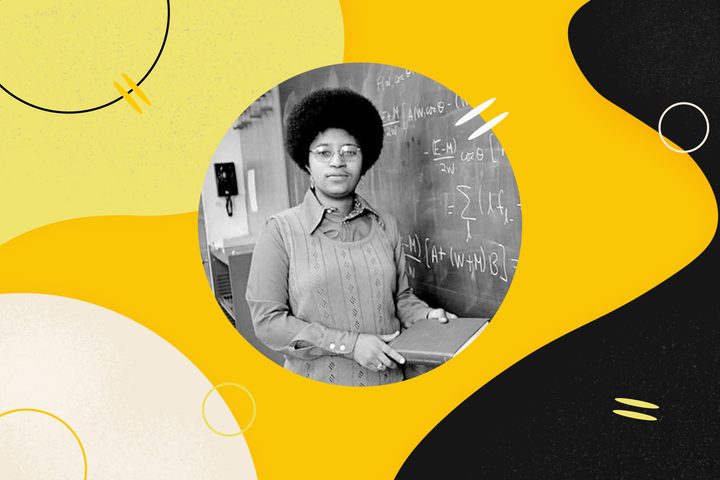
Shirley Jackson remains one of the most impressive people of all time. Along with her doctoral degree in particle physics, Dr. Jackson worked with Bell Laboratories and collaborated on research related to charge density waves. Charge density waves are important in creating high-temperature superconductors, which have all sorts of technological applications. President Bill Clinton even appointed Jackson as Chairman of the U.S. Nuclear Regulatory Commission.
Lisa Gelobter: Contributed to Shockwave, Hulu, and more
1971-

In addition to serving as Chief Digital Service Officer for the Department of Education under Obama, Gelobter played a part in many of the technologies we use today. She worked on Hulu and Shockwave and is even credited with creating the animation used in GIFs. And, as if that weren’t impressive enough, Gelobter acted as Chief Digital Officer for BET Networks.
James E. West: Electret microphone
1931-

Foil electret microphones may not sound all that riveting, but the technology is used in nearly 90% of all microphones produced annually. West patented the electret microphone in 1962, and now, it can be found in everything from phones to hearing aids to baby monitors, not to mention a wide array of other devices.
Lewis Latimer: Carbon filament for incandescent light bulb
1848-1928
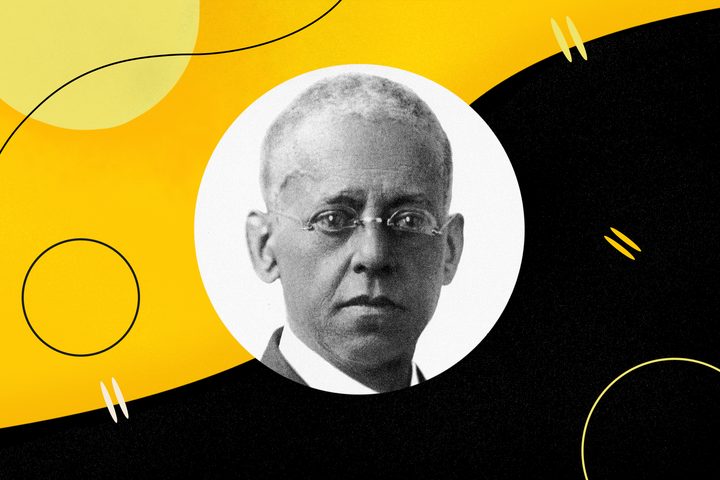
Lewis Latimer worked on some pretty landmark inventions, but he often receives little recognition. He worked alongside Alexander Bell to draft his patent for the telephone, for example, and he patented the carbon filament for the incandescent light bulb. Latimer’s contributions completely changed the way we live, work, and communicate.
Gladys West: Contributions to GPS
1930-
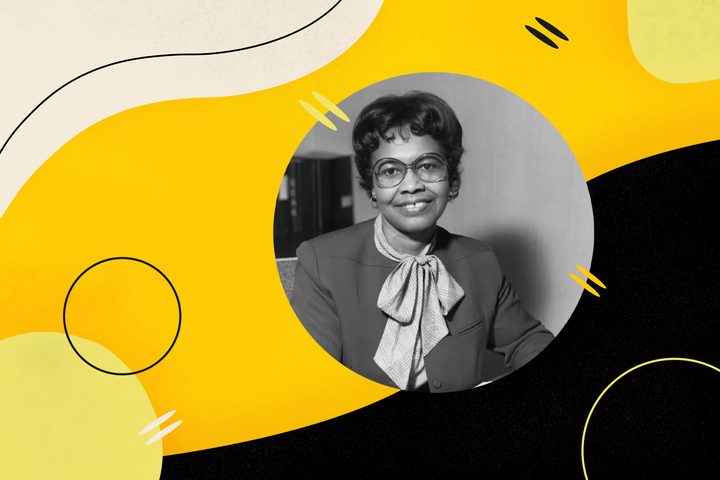
GPS is nearly ubiquitous in today’s day and age, with applications in everything from travel to weather to the military. The technology wouldn’t be possible, however, without the contributions of Gladys West. A mathematician and programmer, West programmed a computer to give calculations for a geodetic earth model, which helped make GPS possible.
Granville Woods: Induction telegraph
1856-1910
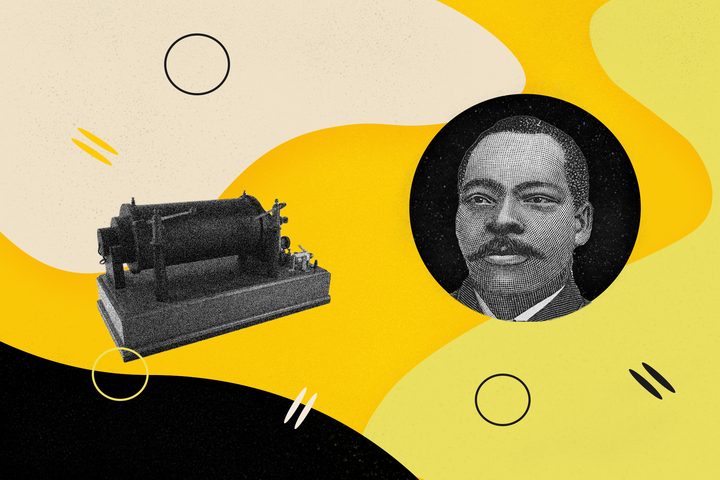
Granville Woods invented quite a few devices, including a telephone-telegraph hybrid that allowed people to speak over telegraph wires. Additionally, Woods created the troller, which made it possible for trolleys to receive power from overhead wires. His contributions played a vital role in our communications, electrical systems, and travel industries.
Marc Hannah: 3D graphics software
1956-
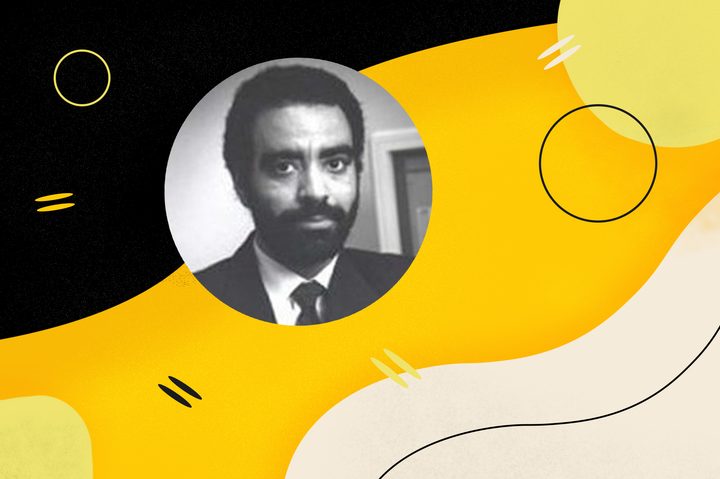
Marc Hannah is a world-renowned inventor, chief architect, and co-founder of Silicon Graphics, Inc. (SGI). As the architect of 3D effects software, he helped contribute directly and indirectly to a number of different fields, including the film industry and the military. If you ever thought the special effects in Jurassic Park were impressive, you have Hannah to thank.
Frank S. Greene: High-speed semiconductor computer memory systems
1938-2009
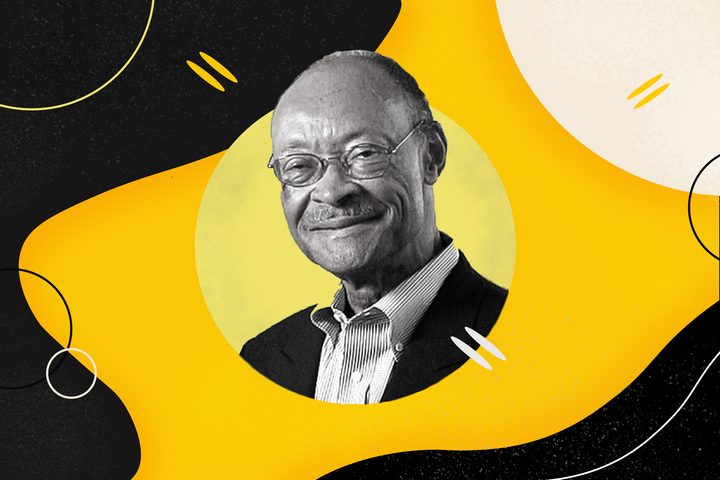
Frank S. Greene, an electrical engineer, inventor, teacher, and advocate, was a Silicon Valley powerhouse. A doctorate holder and one of the world leaders in semiconductor technology, Greene created a patent for an integrated circuit. His patent helped make Fairchild a leader in semiconductor tech in the 1960s.