  1. Home
  2. Computing
  3. News

This screwless motherboard will make GPU upgrades easier than ever

Add as a preferred source on Google

The DIY home-built PC crowd will be delighted to learn that GPU upgrades just became effortless. The Gigabyte X670 EZ-Latch Plus motherboard is a new screwless and latchless system for easy GPU and SSD swaps.

Tom’s Hardware noticed two new Gigabyte motherboards surface on Twitter, a PCIe EZ-Latch Plus and an M.2 EZ-Latch Plus. Both are built with the upcoming Ryzen 7000-series processors with Zen 4 architecture in mind.
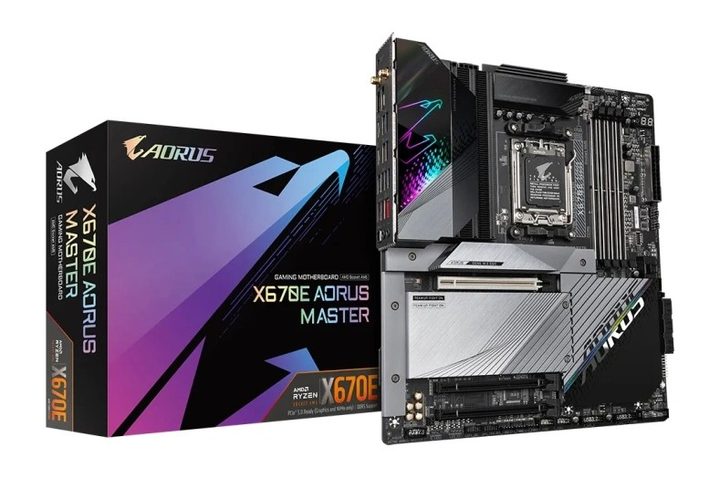
The Gigabyte EZ Latch Plus motherboard on a white background.
Image used with permission by copyright holder

Both the PCIe and M.2 EZ-Latch Plus motherboards finally do away with those small, annoying screws that always manage to drop off the magnetic screwdriver and roll into the computer somewhere. Instead, both motherboards have their own unique system for easily attaching and removing GPUs.

Recommended Videos

The PCIe system features a physical button near the edge of the motherboard and away from those narrow DIMM slots. No more getting fat fingers stuck in a motherboard (although I’m sure some of us will still find a way). A single push of the button releases the GPU. This new button system on the PCIe motherboard also opens up more space for manufacturers to pack more PCIe slots in, especially next to big and bulky components.

Over on the M.2 board, things are just as simple. The M.2 features a pressure mechanism, allowing you to snap a GPU into place by gently lowering it onto the motherboard. Rotate the latch to release the card.

Twitter user @momomo_us posted links to GIFs of the new motherboards in action. The GIFs show a man’s hand popping cards on and off both the PCIe board and the M.2 board.

Gigabyte
PCIe EZ-Latch Plushttps://t.co/K0q8pyG1BB
M.2 EZ-Latch Plushttps://t.co/UzWLJkgFL1

*MP4

— 188号 (@momomo_us) August 10, 2022

This represents a massive quality of life upgrade for PC builders and tinkerers and is something other motherboard makers should implement. There are rumors AMD and Asus have similar projects in the works, although nothing official has been released.

If major manufacturers jump on board, we could finally kiss those tiny screws goodbye.

Nathan Drescher
Former Computing Writer
Nathan Drescher is a freelance journalist and writer from Ottawa, Canada. He's been writing about technology from around the…
The Mac Pro is dead at Apple, and I’ll miss the cheese-grater powerhouse
RIP Mac Pro. The Mac Studio is taking the throne, and we're okay with that.
Electronics, Computer, Pc

Apple has officially discontinued the Mac Pro. It’s been removed from Apple’s website, and Apple has confirmed to 9to5Mac that there are no plans to release a future version. The buy page now redirects to Apple’s Mac homepage, where the Mac Pro no longer exists.

Why did Apple kill the Mac Pro?

Read more
March Madness, Revisited: The AI Model Did Well. But Mad Things Still Happen
Stills from NCAA games.

(NOTE: This article is part of an ongoing series documenting an experiment with using AI to fill the NCAA brackets and see how it fares against years of human experience. The original article is as follows.)

A week ago, I wrote about entering an NCAA tournament pool with a more disciplined process than I usually use.

Read more
A simple coding mistake is exposing API keys across thousands of websites
Security gaps that are easier to miss than you think
Computer, Electronics, Laptop

After analyzing 10 million webpages, researchers have found thousands of websites accidentally exposing sensitive API credentials, including keys linked to major services like Amazon Web Services, Stripe, and OpenAI.

This is a serious issue because APIs act as the backbone of the apps we use today. They allow websites to connect to services like payments, cloud storage, and AI tools, but they rely on digital keys to stay secure. Once exposed, API keys can allow anyone to interact with those services with malicious intent.

Read more