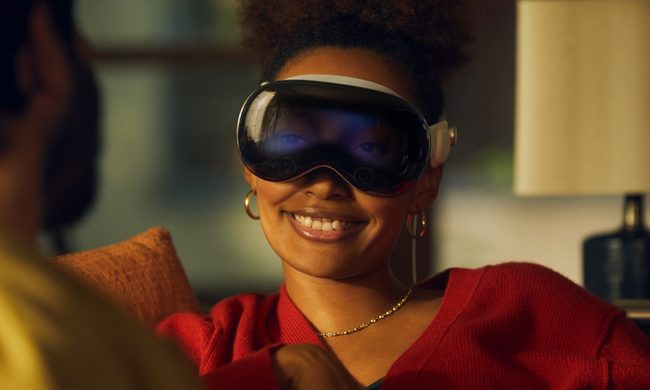
At its I/O developer conference this week, Google announced its upgrade to the budget-friendly Google Cardboard program. That’s good news for Android users, who have looked on at the Samsung Gear VR owners with envy, and bad news for anyone who invested in that ecosystem.
That’s because Google’s Daydream standard looks just as technically robust as Oculus‘ effort, and Daydream will run on a broader range of devices, giving developers reason to develop for it instead of Oculus’ proprietary storefront.
The number 20
The most important number when it comes to building a VR experience is 20. Developers often talk about reaching less than 20 milliseconds from motion to photon, or the time it takes from you moving your head to the HMD’s screen updating. Any longer, and the human eye starts to notice a lag between movement in real life and on the screen, resulting in disassociation and dizziness.
Which is why all Daydream ready phones will use some high-end hardware and special software. That means low persistence AMOLED screens, single frame buffering instead of a back buffer, and display stabilization, where after a frame is rendered, it’s shifted to meet the headset’s new location.
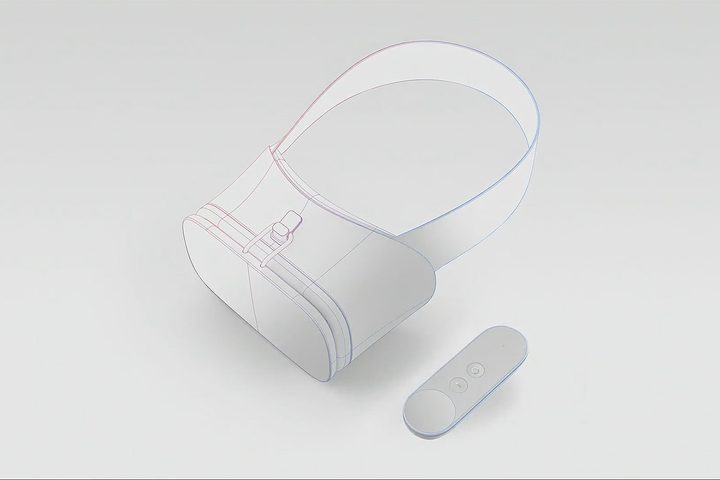
These are all great features, and we know they work because they’re already found in one form or another on the Samsung Gear VR. Programming for the platform means rendering in the front buffer, and Oculus’ own Time Warp technology has much the same effect (and works the same way) as Google’s display stabilization. And Samsung’s phones fitted with low persistence AMOLED displays.
There are still some unknowns when it comes to Daydream. We’re not sure what kind of sensor will track the headset, or how many degrees of freedom it will track. The minimum display resolution is a mystery, as is the performance of the SoC that powers each device, if there isn’t more than one.
Your move, Oculus
The best move for Samsung and Oculus would be to adhere to the Daydream standard and create a new Gear VR with just that specification in mind. Samsung is clearly on board with the plan, judging by Google’s promise that the Korean manufacturer would be one of the first with a Daydream ready phone. Whether Oculus also wants to jump on board is less clear.

At this point, Oculus has already entrenched itself in its own ecosystem. It doesn’t seem likely that ecosystem stands a chance against Daydream, a platform that will offer far broader hardware support, as well as better integration with the Android operating system.
It’d be smart for Oculus to abandon its dreams of controlling both the software and hardware experience and instead focus on just the hardware. But we don’t think it’s likely, because Facebook — which owns Oculus — wants to have that control.