  1. Home
  2. Computing
  3. News

Haven’t used your Google account recently? It may be deleted

Add as a preferred source on Google

Google has confirmed it will begin deleting inactive accounts on its network in an effort to preserve space and maintain security.

Having first broached the idea in 2020, Google then detailed its plans of removing content from seemingly abandoned accounts while leaving the accounts themselves accessible, 9to5Google noted.
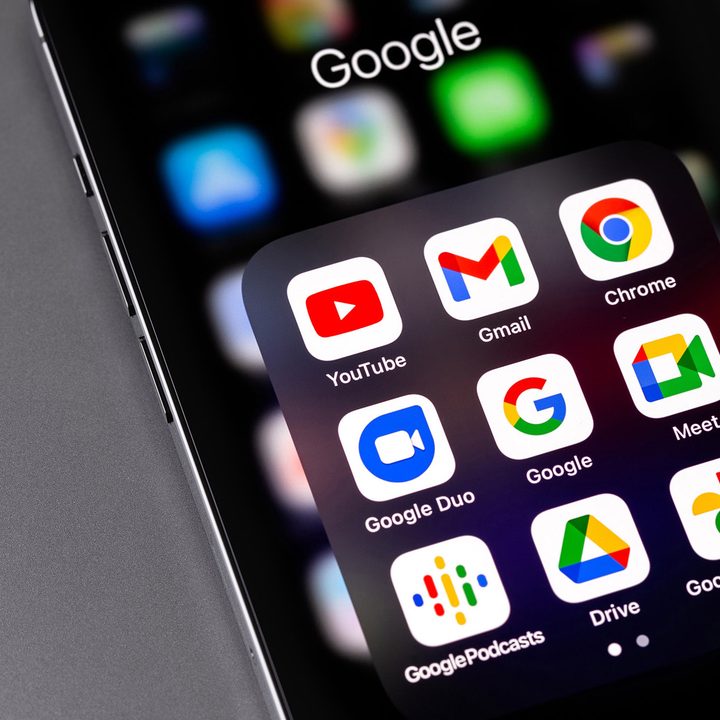
Google services (YouTube, Gmail, Chrome, Duo, Meet, Google Podcasts) icons app on smartphone screen.
Primakov / Shutterstock

Google has since updated its inactive account policy, sharing in a blog post on Tuesday that it will start purging Google accounts that have not been accessed in two years starting in December 2023. Accounts and all personal information and data associated with the accounts are subject to erasure if users fail to log in before the designated time. These include Gmail messages, Calendar events, Drive, Docs, other Workspace files, and Google Photos backups.

Recommended Videos

This deadline will give users ample time to get in good standing with Google and save their accounts, as the brand plans to send out several warning emails to account holders and any backup emails that are on file. Google also said it is planning a staggered strategy for purging accounts, focusing first on “accounts that were created and never used again.”

Some accounts will be exempt from deletion if they happen to remain inactive, such as those that are connected to YouTube channels. Overall, the brand is focusing on free Google Accounts rather than enterprise or educational accounts.

Google also detailed the many activities you can do that count toward keeping your account.

  • Logging in periodically, being logged in, and performing basic tasks.
  • Reading or sending an email.
  • Using Google Drive.
  • Watching a YouTube video.
  • Downloading an app on the Google Play Store.
  • Using Google Search.
  • Using Sign in with Google to sign in to a third-party app or service.
  • Using a signed-in Android device.
  • Having a paid subscription such as Google One, a news publication, or an app.

Google mentioned that inactive accounts also pose a security risk since many are 10 times less likely to have security measures such as two-step verification. This makes such accounts easier to infiltrate, especially during a time when AI is becoming more popular and can crack passcodes in minutes, if not seconds.

Google noted that adopting this policy aligns “with industry standards around retention and account deletion,” and that it is beneficial to users as it limits the amount of time the company can hold on to unused personal information.

Deleted Gmail addresses will not be available for reuse once they are gone, 9to5Google reports.

Fionna Agomuoh
Fionna Agomuoh is a Computing Writer at Digital Trends. She covers a range of topics in the computing space, including…
AI is entering the Skynet debate moment in the social media hype circles
AI might end the world - but first, it’ll trend on social media
Representative Image

A growing wave of online voices warning about the dangers of artificial intelligence—often dubbed “AI doom influencers” - is reshaping how the public and policymakers view the technology. According to a report by The Washington Post, these influencers, including researchers, tech leaders, and content creators, are increasingly highlighting worst-case scenarios, from mass job loss to existential risks posed by advanced AI systems.

While critics argue that some of this messaging borders on alarmism, the conversation is no longer confined to speculation. Real-world developments in AI are beginning to mirror some of the concerns being raised, blurring the line between hype and legitimate risk.

Read more
You won’t believe it, but Motorola actually makes a terrific head-turner of a laptop
Motorola’s Moto Book 60 Pro is surprisingly stylish, and the pricing makes it even better
Moto Book 60 Pro in PANTONE Bronze Green

Motorola is not the name I expect to see on a genuinely good laptop. A stylish phone? Sure. A foldable with some personality? Absolutely. But a thin-and-light notebook that actually feels well judged on both design and value was a genuine surprise. And yet, the Moto Book 60 Pro is one of the more quietly impressive laptops in its segment.

With the broader laptop market being in a mess, Motorola's laptops feel refreshing. It is capable, attractive, and still approachable at a time when pricing elsewhere has become increasingly rough.

Read more
Zoom will now check if you are a human or an AI imposter during video meetings
Biometric badges, iris scans, and AI bouncers: welcome to the future of your Monday morning standup.
Zoom face scan technology.

Zoom video calls just got a new kind of awkward small feature. The platform will now ask you whether you’re human. It has partnered with World, Sam Altman’s iris-scanning identity company (previously known as Worldcoin), to add real-time human verification inside meetings. 

The feature, launched on April 17, 2026, is a part of World’s ID 4.0 rollout. It lets hosts confirm that every face on the call belongs to a real person, not an AI-generated imposter. 

Read more