
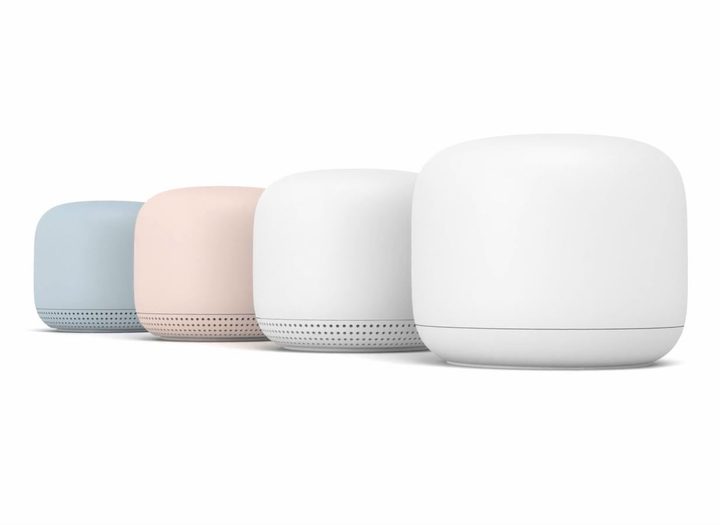
At its Made by Google event, Google unveiled its Nest Wifi access points alongside the flagship Pixel 4 smartphones and its least expensive Pixelbook to date. The Nest Wifi has some pleasing aesthetics — it looks as if it was formed from clay to resemble stoneware jars. The built-in Google Assistant is an attractive, forward-thinking feature as well.
However, for tomorrow and into the future, the glaring absence of Wi-Fi 6 support makes the Nest Wifi less future-proof than a router should be.
Google defended its decision to leave out Wi-Fi 6, citing cost and the lack of available compatible devices in your home. But this any more than just a cop-out?
Years of missed upgrade opportunities

Most people upgrade their phones every few years, they upgrade their PCs even more infrequently. Routers and modems are even further down the list. Most people don’t pay attention to these devices unless there is a big malfunction. That’s why router companies are already pushing Wi-Fi 6 routers onto shelves. If you’re buying a new router, you want it to last you a long time.
Google has opted out of the new standard. Coming from the company with the best-selling mesh networking device available, that’s a big deal.
This is an unfortunate loss, as Wi-Fi 6 is described as the biggest thing to happen to Wi-Fi in a decade by proponents. The Wi-Fi 6 ecosystem is already starting to grow, including popular new phones such as Apple’s iPhone 11 series and Samsung’s Galaxy S10 and Note 10. Laptops are also starting to support Wi-Fi 6, with Intel’s 10th-gen chips poised to take advantage of the new network benefits.
But there is more to Wi-Fi 6 than just the promises of gigabit speeds and the coveted low latency that enthusiast gamers crave.
What you miss without Wi-Fi 6
With people connecting more devices to the cloud than ever before — ranging from home PCs to laptops, smartphones to tablets, and the plethora of connected smart home accessories — Wi-Fi 6 promises to ease congestion, reduce interference, and provide a more stable connection.
It relies on a new orthogonal frequency division multiple access, or OFDMA, architecture that allows more devices to simultaneously connect to the same access point. Instead of backing the interoperability, security, and low battery promises of Wi-Fi 6 for IoT, Google is pushing the Thread protocol to connect its growing staple of Nest-branded smart home devices.
There’s also additional benefits on the PC side of the equation. Intel is leveraging connected standby as part of its Project Athena initiative. Intel’s goal with connected standby is to have you open your laptop, connect to known networks, and authenticate in under two seconds. This should provide the feel of instant-on power, similar to what is possible today on a smartphone or tablet.
When early adopters of Google’s Nest Wifi routers start owning more phones, laptops, and newer smart home devices, you’ll be wishing you’d picked up a Wi-Fi 6 router instead.
Like the slow growing 5G networks, it may take a few more years for Wi-Fi 6 to grow — IDC’s research predicts that Wi-Fi 6 may not become mainstream until at least 2023 — you’ll need to upgrade to a newer router system that is compatible with the standard to reap the full benefits.
As compelling as Nest Wifi is today, you may want to hold on to your cash for a little longer until Google incorporates Wi-Fi 6 support into its routers.


