  1. Home
  2. Computing
  3. Emerging Tech
  4. Web
  5. News

Google’s new Finland data center is cooled by Baltic Sea’s water

Add as a preferred source on Google

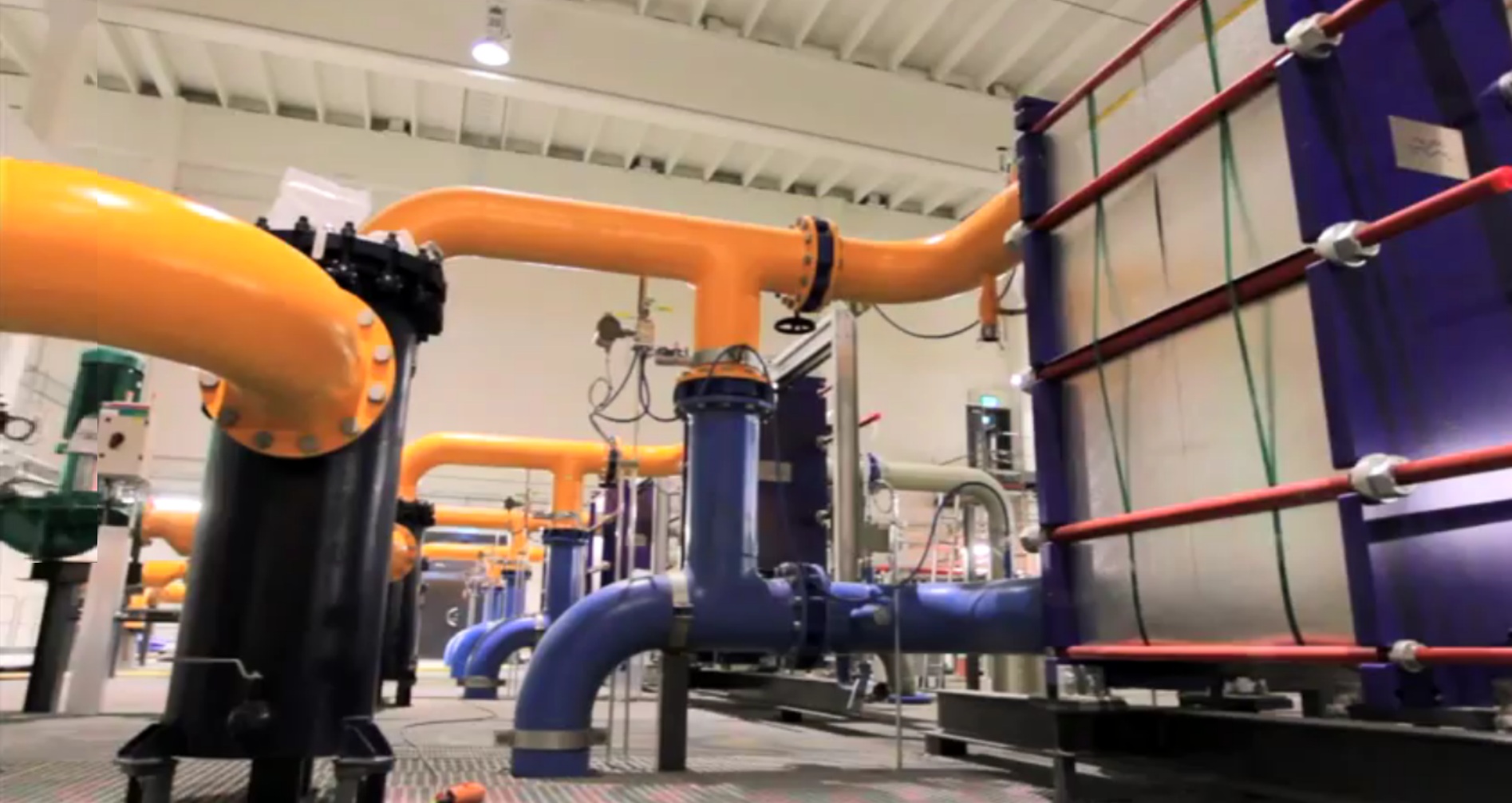
google data center 2Google is once again showing off its big environmental conscience with video of the new Hamina, Finland data center, due to open up towards the end of the year. The new center, much like Google’s Saint-Ghislain center, will not be using chillers in its cooling system. Instead, waters from the Baltic Sea will be harnessed to keep servers cool.

Google paid $52 million for the Summa paper mill that yielded the 410 acres of land where the new data center is being built. Stora Enso, the paper-making company that formerly owned the land, closed the paper mill down in 2008 because of the drop in newspaper and magazine-paper production.

Recommended Videos

According to the video, the center collects cool water through an inlet pipe and travels through granite tunnels built by the paper mill in the 1950s. The Register has found that the pipes are two meters in diameter and “the system uses 20-year-old water pumps installed by the mill.” The tunnels and pipe are kept clear of blockage by using a small submarine to explore regularly.

The water travels through four straining systems and meets a water-to-water heat exchanger. The heat exchanger cools a separate stream that carries on to the data center. Google senior director of data center construction Joe Kava says that once the water’s purpose is met, “we return the temperature that is much more similar to the inlet temperature, so we minimize any environmental impact in that area.”

The total costs for the structure comes to roughly $260 million, including the purchase price but the money Google saves from cooling costs will be significant. The Register also reports that the Finland data center will use wind power from the wind park next to the facility.

Jeff Hughes
Former Digital Trends Contributor
I'm a SF Bay Area-based writer/ninja that loves anything geek, tech, comic, social media or gaming-related.
I rounded up the best Prime Day 2026 laptop deals, and these five are the ones I’d buy
Memory costs are up, laptop prices are following, and Prime Day 2026 might be your best window before both climb further.
Prime Day Deals on Apple Products

If you’ve been keeping up with recent laptop launches, you’ve probably noticed just how expensive they’ve become. Laptop prices have been climbing for the past year, and there’s little indication that they’re coming down anytime soon. That makes the ongoing Prime Day 2026 sale an exceptionally good time to buy a new laptop.

Many of the discounts apply to devices at or near their original launch prices, making the savings more meaningful. I’ve sifted through several Amazon Prime Day laptop deals, but only these five hold up at their discounted prices. To make things easier for you, I’ve arranged them from the most affordable option to the most expensive.

Read more
What makes a laptop effective for remote work?
Dell 14 Plus

This post is brought to you in paid partnership with Dell

Remote and hybrid work have changed what people expect from a laptop. Most professionals are no longer working from a single desk all day. A typical workflow now involves morning Zoom or Microsoft Teams calls, browser tabs running alongside Slack and email, and moving between home, the office, cafés, and even airports without disrupting productivity.

Read more
Deepfake scams are getting uglier, and Bitdefender now has an app for the panic
RealCheck gives Android and iOS users a paid way to test suspicious videos before money or personal data is at risk.
how-to-remove-nudes-deepfake-non-consensual-images

Bitdefender has launched RealCheck, a deepfake detector built for the moment when fake video scams show up as ordinary clips. The standalone app is available now for Android and iOS, and it can analyze uploaded files or links from digital platforms.

RealCheck checks a video’s authenticity and screens for scam intent in the same report. That includes signals tied to financial fraud, credential theft, impersonation, and reputational attacks.

Read more