  1. Home
  2. Computing
  3. Phones
  4. News

Got a missed call from an unknown number? Malwarebytes’ new free tool will tell you if it’s a scam

With $21 billion stolen from Americans last year through phone scams, a free no-friction reverse lookup removes the guesswork entirely.

Add as a preferred source on Google
Business Card, Paper, Text
Shikhar Mehrotra / Digital Trends

Missed calls from unknown numbers used to be easy to ignore, but now they’re harder, especially since scammers spoof real local numbers and clone familiar voices with AI. Malwarebytes has launched a direct answer to that problem.

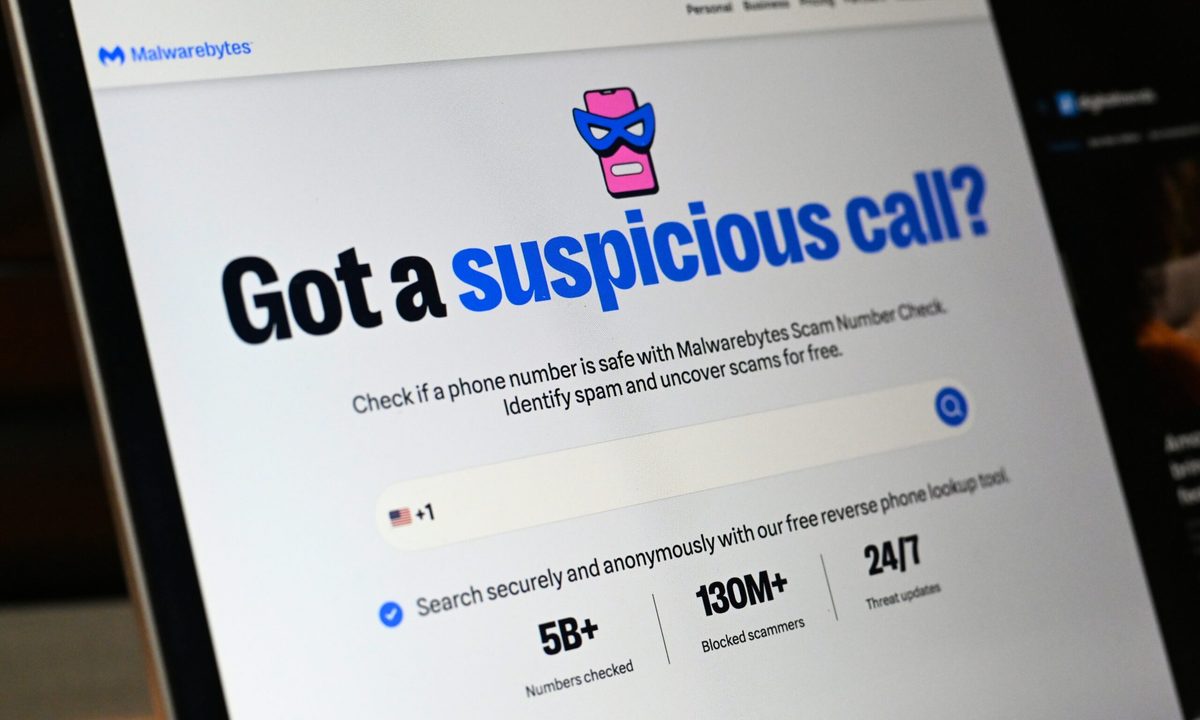
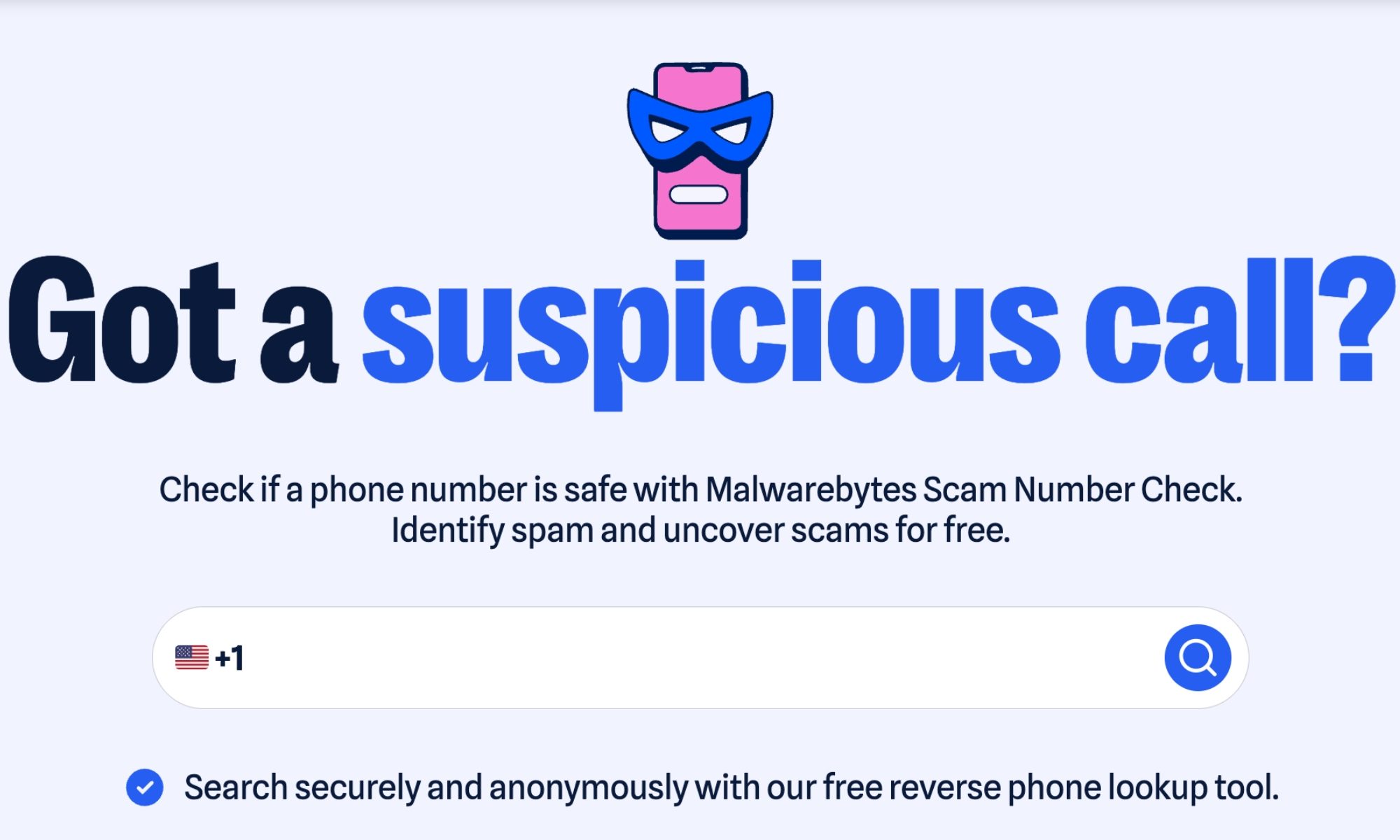
A free, standalone reverse phone lookup tool that tells you whether a number is safe, suspicious, or a known scam, so that you don’t call it back unnecessarily. It’s called Scam Number Check and it is available now at malwarebytes.com/scam-check/phone. The best part is that you don’t need an account or subscription to access it. 
How does Scam Number Check actually work?

Simply head to the tool’s web page and type or paste a number. 

Recommended Videos

Malwarebytes then runs the number through its threat intelligence engine, the same database that the company uses across its broader security products, and analyzes carrier data, contextual signals, and millions of previously reported scam indicators. 

Within a few seconds, the tool tells you whether the number is safe to call back, suspicious, or flagged as a known scam in its database. 

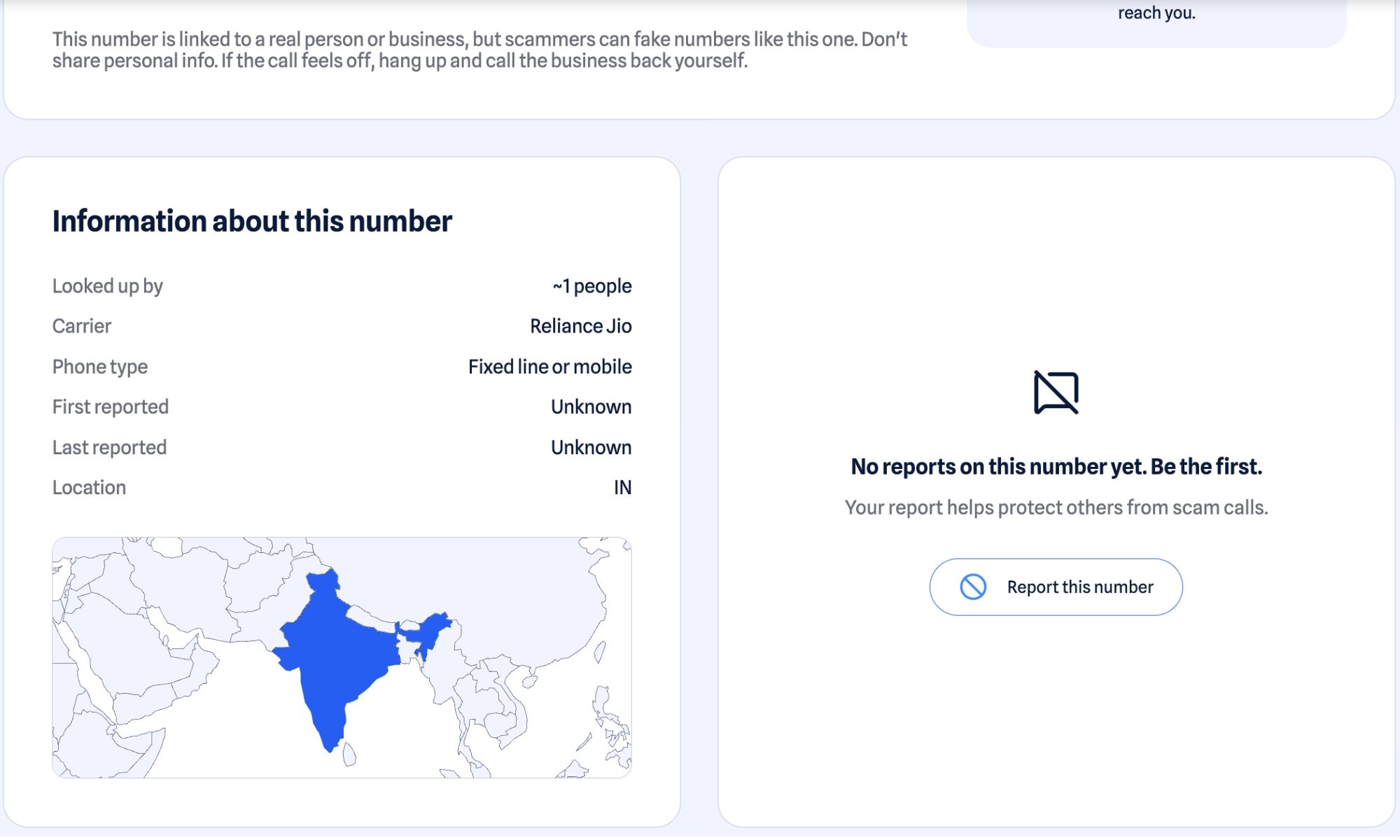
Where relevant data is available, the tool also shows caller details including phone type (mobile, landline, or VoIP), carrier information, and general location of the number. 
Why does this matter right now?

If you’ve been called using a number that isn’t in the database, you can report it directly on the website by categorizing it as a robocall, fraud, or delivery scam. 

Malwarebytes doesn’t store the numbers you search. Only when you report a number is the report stored, while your search still remains private. 

According to the company’s Scam Guard data, phone-call-assisted social engineering ranks among the top five scam types. The FTC separately reported $2.95 billion in impersonation scam losses in the US in 2024 alone. 

Last year, scammers stole more than $21 billion from Americans, according to the FBI’s Internet Crime Complaint Center. For a problem this large, a free, no-friction tool that answers whether a number is safe to call back, in my opinion, is exactly the kind of thing that should have existed sooner. 

Shikhar Mehrotra
For more than five years, Shikhar has consistently simplified developments in the field of consumer tech and presented them…
Storage breakthrough promises safe data recovery even after hackers infect your computer
This new system keeps your deleted files recoverable for up to 126 days after a cyberattack
An SSD data port.

When hackers break into your computer, one of the first things they do is delete or lock your files and vanish. By the time you realize something is wrong, the damage is often permanent. A researcher at Florida International University has found a way to change that, and the solution is built right into your storage drive.

Understanding where your deleted files actually go

Read more
Android will now warn you if someone is using AI to fake your contact’s voice on a call
Google's fake call detection is the first time a phone platform has built a real-time cryptographic defense against AI voice cloning scams.
Android fake call detection featured.

Yes, advancements in AI help people from different walks of life, but they have some cons. One of the most exploited con has been AI voice cloning. Over the years, it has reached the point where most people can no longer tell a deepfake voice from a real one. 

Scammers already know this, and they’ve been spoofing users’ contacts, cloning their voice, and committing financial frauds for quite some time. Android's new fake call detection is designed to stop that exact scenario before it costs you.

Read more
Qualcomm’s Snapdragon X2 Elite finally lands in a mini PC, and it looks like Windows’ answer to the Mac mini
Qualcomm Snapdragon X2 Featured Image Render

For the past two years, Qualcomm's Snapdragon X series has largely been confined to notebooks. The chips delivered impressive battery life and surprisingly competitive performance, but they never got the chance to challenge compact desktop machines like Apple's Mac mini or even the more powerful Mac Studio. The Ascent QN10 changes that.

Packing the 18-core Snapdragon X2 Elite processor alongside Qualcomm's integrated Adreno GPU, the tiny desktop also becomes the world's first mini PC to offer 80 TOPS of AI performance through its dedicated Hexagon NPU. So, ASUS is introducing a new form factor for Qualcomm's most powerful PC silicon.

Read more