  1. Home
  2. Computing
  3. Legacy Archives

HP Touchsmart 9300 and 610 recline the touch PC

Add as a preferred source on Google
hp-touchsmart-9300-610-reclining-touch-pc
Image used with permission by copyright holder

Who says desktop PCs are dead? Today, Hewlett-Packard unveiled the TouchSmart 9300 Elite, a business-class touch PC that can recline up to 60 degrees, tilt forward 5 degrees, and swivel 180 degrees to make touch gesturing much more ergonomic for users. The PC has a 23-inch LED backlit widescreen, multitouch capabilities, and a 1080p HD display. Its consumer PC counterpart, the Touchsmart 610, will also have an upgraded recline. HP describes its new line of PCs as a “revolutionary” leap in touch technology.

The 9300 Elite will replace HP’s current touch PC, the 9100, which has a 30 degree tilt. Under the hood, the desktop can pack as much as 16 GB of RAM. It runs on Windows 7, has up to a 1TB hard drive, an optional 160GB solid-state drive, and Intel’s latest generation of Core i3-i7 processors. Unfortunately, both run on an integrated Intel graphics card, meaning that if you were hoping to do some gaming on the devices, think again. HP has also partnered with Dr. Dre’s Beats Audio to offer an upgraded sound experience on the 610 line, which also has a built in HDTV tuner and access to HP’s apps library, while the 9300 will come with the ability to be easily mounted on the wall, enabling a wider range of business use scenarios. Both computers have a Blu-ray Combo Drive, SD card reader, a dual microphone array, and 2MP webcam.

Recommended Videos

The HP Touchsmart 610 will be available beginning Feb. 9 for prices starting at $899.99. No pricing information has been released for the Touchsmart Elite 9300, but it will be modestly more expensive from what we gather. It will be available in the United States by the end of May. HP will unveil its newest line of notebook PCs tomorrow.
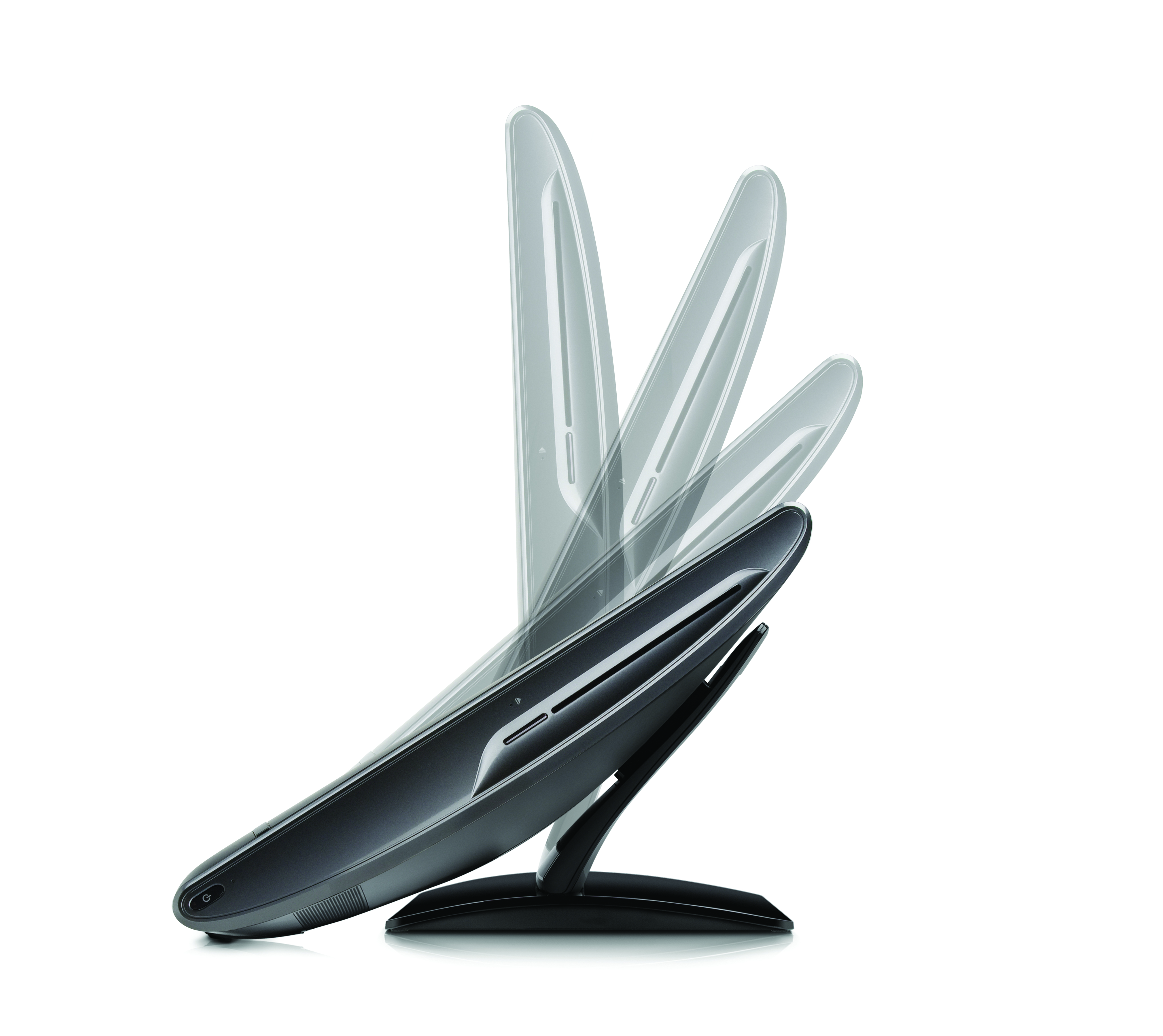
hp-touchsmart-9300-610-reclining-touch-pc-movement
Image used with permission by copyright holder
Jeffrey Van Camp
As DT's Deputy Editor, Jeff helps oversee editorial operations at Digital Trends. Previously, he ran the site's…
A simple coding mistake is exposing API keys across thousands of websites
Security gaps that are easier to miss than you think
Computer, Electronics, Laptop

After analyzing 10 million webpages, researchers have found thousands of websites accidentally exposing sensitive API credentials, including keys linked to major services like Amazon Web Services, Stripe, and OpenAI.

This is a serious issue because APIs act as the backbone of the apps we use today. They allow websites to connect to services like payments, cloud storage, and AI tools, but they rely on digital keys to stay secure. Once exposed, API keys can allow anyone to interact with those services with malicious intent.

Read more
AMD’s latest Ryzen 9 9950X3D2 pushes X3D to the limit
Dual 3D V-Cache, higher power, and a focus on enthusiast performance
AMD Ryzen 9 9950X3D2 FEatured

AMD has unveiled what might be its most extreme desktop CPU yet, the Ryzen 9 9950X3D2. And it’s going all-in on one thing: cache.

https://twitter.com/jackhuynh/status/2037159705395491033?s=20

Read more
Next-gen AI breakthrough promises chatbots that can read the room better
Researchers are teaching AI chatbots to read between the lines
Generative AI

Have you ever asked a chatbot something and felt like it completely missed your point? You say something with a bit of nuance, and the AI misses the subtlety entirely. That is exactly the problem researchers are trying to solve.

Even though the emotional connection with AI can feel deeper than human conversation for many users, most AI systems today still treat a sentence as a single block of sentiment. If you mix praise and criticism, the nuance often gets lost.

Read more