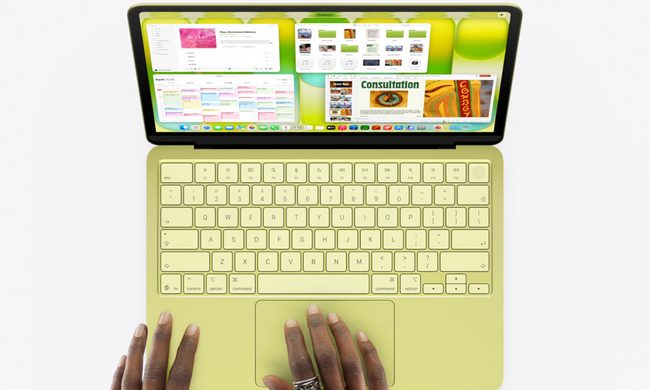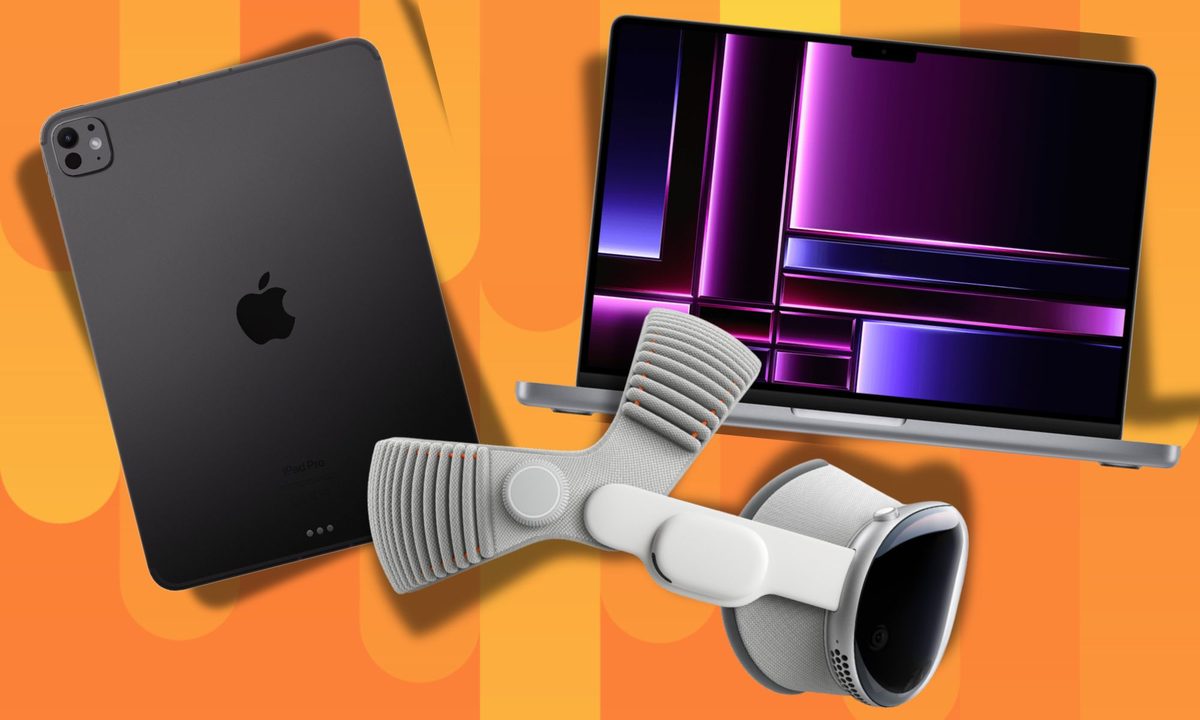
Apple is shifting into the next phase of computing with the launch of new machines powered by the M5 chip. In a single batch, the company revealed three “new” machines equipped with its next-gen processor – a refreshed iPad Pro in two sizes, a 14-inch MacBook Pro, and a second-generation Vision Pro headset.
The term “new” is a tad subjective here. All these machines look exactly like their respective predecessors. Additionally, the focus on AI enhancements somewhat took away from their standalone merits. What caught my attention was that these new devices don’t try to make a huge splash with head-turning changes.
Instead, they put the emphasis on minor (but meaningful) changes while donning the same garb as their previous generation siblings. As the adage goes, don’t fix what’s not broken. Apple seems to be doing just that. Fixing the papercuts instead of turning a new page. It’s not entirely unexpected, but I appreciate some of the small changes under the hood.
iPad Pro

Let’s start with the iPad Pro. It retains the same design language as its predecessor. That’s not necessarily a bad thing. It’s the thinnest slate out there, and I’ve used the M4 version every day since launch. It’s sleek and plenty powerful. The M5 version soups up the performance, but adds a bunch of smaller perks into the mix.
For example, the iPad Pro finally lands support for faster charging. It can now handle power draw from a 60W (or higher) charger, while delivering a top-up pace of 0-50% in just 35 minutes. I prefer to stick with a single high-capacity multi-port brick for all my gadgets, and it’s finally great to see that the iPad Pro can now fill up its fuel tank faster.
Apple has also raised the RAM capacity to 12GB on the base model, which should assist with multi-app workflows, especially when running Stage Manager connected to an external display. It should also lend a helping hand with the new background task system that arrived with iPadOS 26, which allows apps to run demanding tasks (such as video export) in the background while users are engaged in other workflows within different apps.

On the connectivity front, the M5 iPad Pro switches to faster Wi-Fi 7 and Bluetooth 6 protocols, a jump from Wi-Fi 6E and Bluetooth v5.3 support on its predecessor. There’s something else inside the new iPad Pro that’s easy to overlook — the in-house C1X modem and N1 wireless networking chip.
Apple didn’t write much about it in the press material of the iPad Pro, but sneakily mentioned support for the Thread networking technology on the specifications page. Support for Thread, the next-gen wireless communication standard for smart home devices, is a key upgrade that will help turn the iPad into a hub for controlling smart home devices. You should check out our explainer on Threads here.
To put it broadly, the new N1 chip will technically enable the iPad Pro to communicate with smart home devices that support the Thread protocol, which means you will be able to set them up and control them, as well. Apple has yet to detail just how far the tablet will go at doubling as a true smart home hub, but it’s a thoughtful step in the right direction.
M5 MacBook Pro

Now, let’s shift the conversation to the M5 MacBook Pro. Save for the new silicon, it’s virtually identical to its predecessor. The same looks, battery mileage, port selection, and everything. The only notable shift is that it’s faster, with beefier CPU and GPU cores.
But the more meaningful change at the silicon level is the addition of neural accelerators attached to each graphics core. The overarching idea is to speed up AI-related tasks, though Apple notes that the new architecture will come in handy for games optimized for the Metal pipeline, too.
But AI workloads don’t rely solely on the neural engine and graphics. The memory interfaces must also be up to the task. To that end, Apple enhanced the memory bandwidth (153 Gbps vs 120 Gbps). Interestingly, these changes have also appeared on the latest iPad Pro, as well. On the tablet, Apple has also raised the RAM capacity (12GB vs 8GB for the baseline) on the iPad Pro.
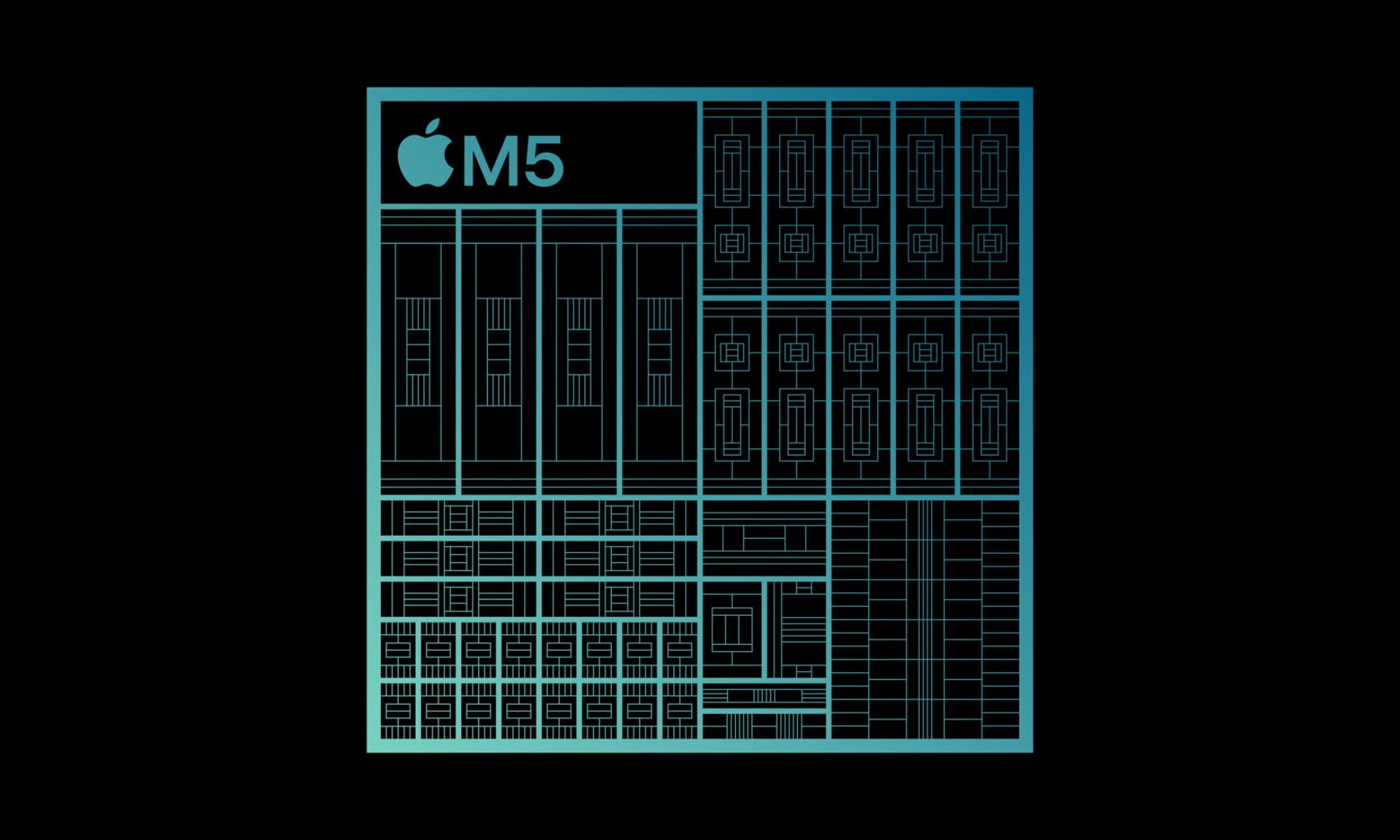
These enhancements are also a clear signal that Apple is heading straight into a future where AI workloads take the center stage. And we’re not talking solely about high-stakes stuff, but something as basic as workout apps, but with AI as a core ingredient. Apple’s recent highlighting of apps that leverage the Foundation Model Framework for AI processing is a clear sign that Apple is readying its hardware ahead of time.
Another quality of life upgrade is the storage module. Apple says the SSD fitted inside the M5 MacBook Pro is twice as fast, which is a huge bump. So far, Apple has offered a slower storage module on the baseline silicon trim, while the variants with “Pro” or “Max” processors shipped with a much faster SSD.
It’s great to see that the baseline MacBook Pro is now getting a more performant SSD module, without a price hike. Additionally, the bar for the storage capacity has also been raised, and it now touches the 4TB peak capacity.
Vision Pro
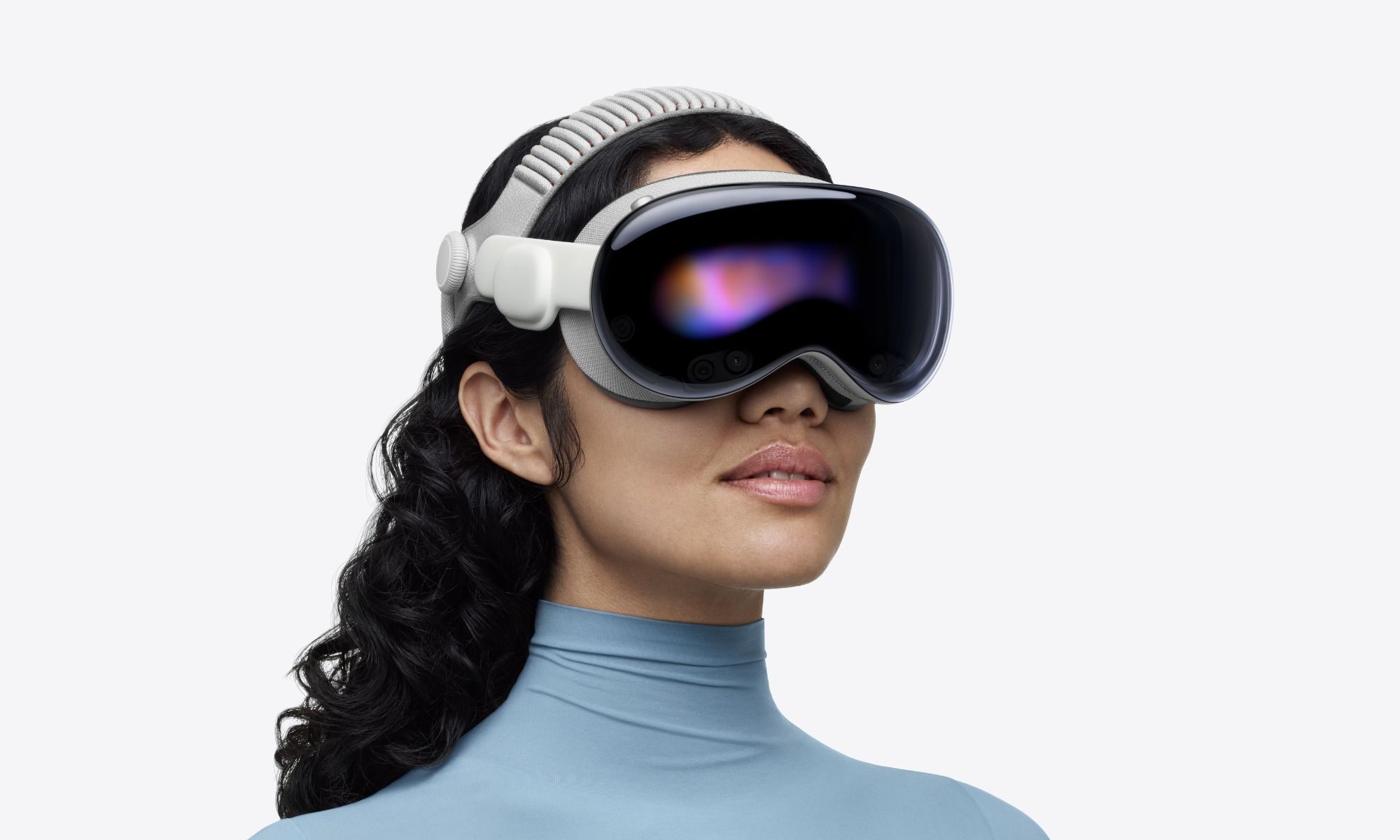
The second-gen Vision Pro also got a chip upgrade this year, which means it’ll be faster and better equipped for demanding workflows in the immediate future. But there are a few changes that go beyond the speed boost, even though fundamental design remains identical.
Starting with the display, it can now render content at 120Hz, which means smoother visuals and reduced blur artifacts. Support for PlayStation VR2 Sense controller also enhances the appeal of the headset in a community where gaming has a pretty sizable audience among XR enthusiasts.
The most notable change is the cushioned Dual Knit Band, which addresses the comfort problems that plagued the first-generation Vision Pro. The new 3D-knitted band comes with upper and lower straps with a dual-rib design that not only helps with enhanced comfort, but also improves the weight distribution.
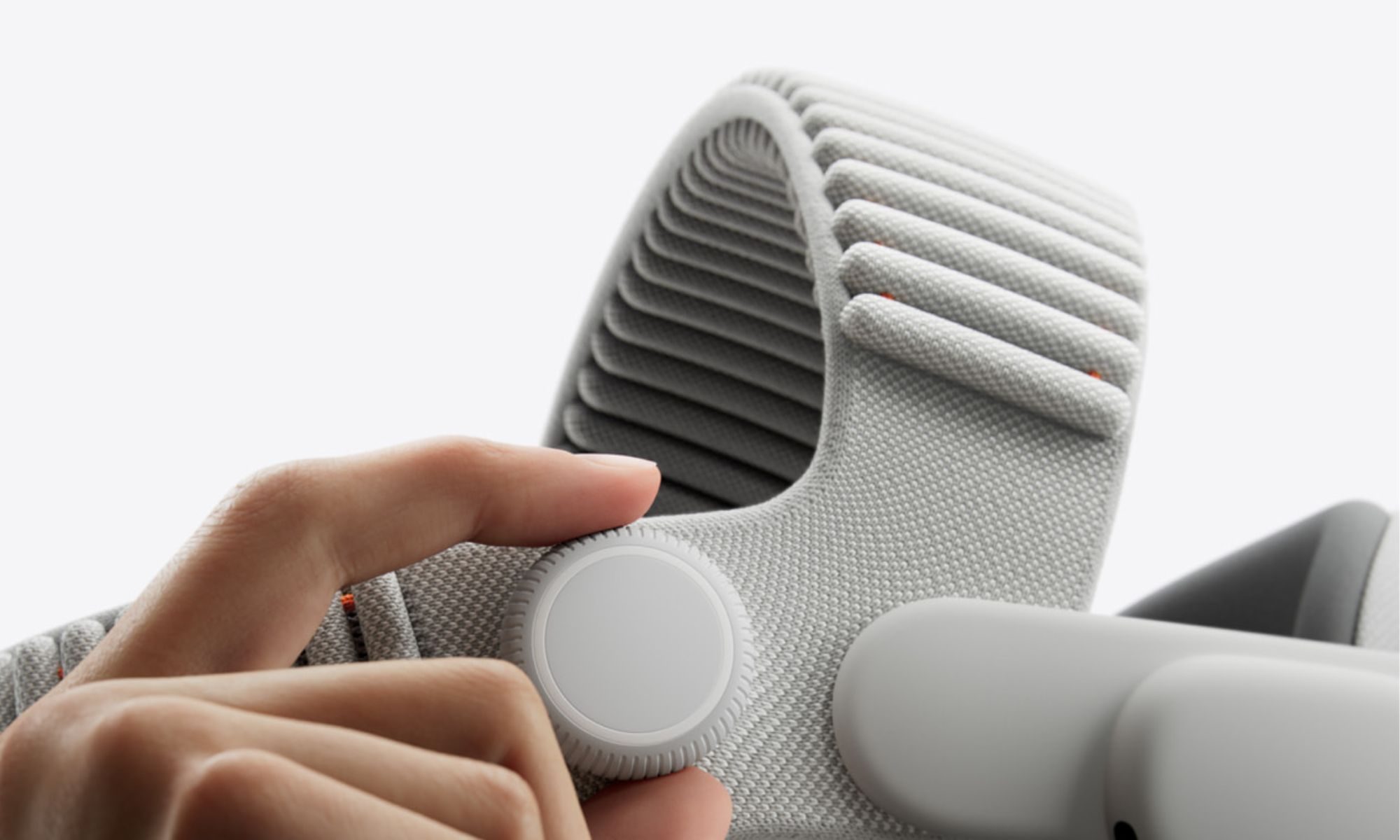
Apple put tungsten inserts that serve as counterweights for extra stability and cranial comfort, while the dual-function Fit Dial offers deeper flexibility. I am glad that Apple went back to the drawing board and focused on fixing a fundamental problem.
Ergonomics were a crucial problem on the first-gen Vision Pro, which deeply limited their usability for long-spells of work, gaming, or content streaming. It just hurt the face, as per my colleagues who tried it. “I love everything about the Apple Vision Pro — except wearing it,” said the headline of a DigitalTrends hands-on article. Yeah, it was that cumbersome!
Apple also achieved gains in the per-charge battery mileage on its latest headset. Overall, the theme with this year’s M5 series hardware is less focused on flashy overhauls and more on the real substance that matters to the average user. Powerful silicon, more memory, snappier storage, and improved connectivity are the basics that define a personal computing machine.
Apple delivered on those metrics, even though they don’t quite make for splashy billboard adverts. We’ll have to wait for the next-gen OLED MacBook Pro overhaul for that to happen. Slimmer build, notch-less touchscreen, and all that!