
The importance of drivers was once again highlighted as a single line of missing code was found to drastically lower the performance of Intel GPUs.
A new fix made to Intel graphics drivers for Linux reportedly improves the ray tracing performance by up to 100x. Can Intel Arc hope for the same kind of improvements?
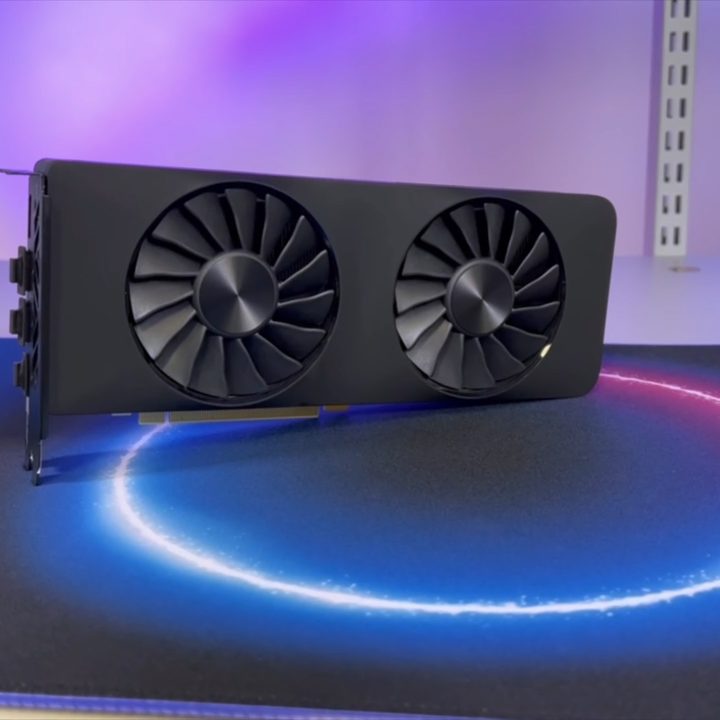
As reported by Phoronix, the change to the open-source Intel Mesa Vulkan driver was made by Lionel Landwerlin on Thursday. Landwerlin is an Intel Linux graphics driver engineer who has years of experience under his belt, but this time the fix was relatively small — all it took was one line of code to achieve, as Landwerlin put it, “like a 100x (not joking) improvement.” It all comes down to a problem with memory allocation.
Due to something as simple as a missing line of code, the memory allocation task was not set the way it should have been. Normally, the Vulkan driver would make sure that Vulkan ray tracing tasks would be allocated to the discrete Intel GPU. However, due to the oversight, the Vulkan driver was moving data to the slower offboard system memory and then back. These messy transfers had a massive impact on the ray tracing performance of the graphics card.
Adding the bit of code to Mesa 22.2 should bring tangible improvements. The update will roll out to end users by the end of August, and while that’s still a while from now, it’s likely to be enough time before customers are able to buy the new Intel Arc GPUs in any major capacity.
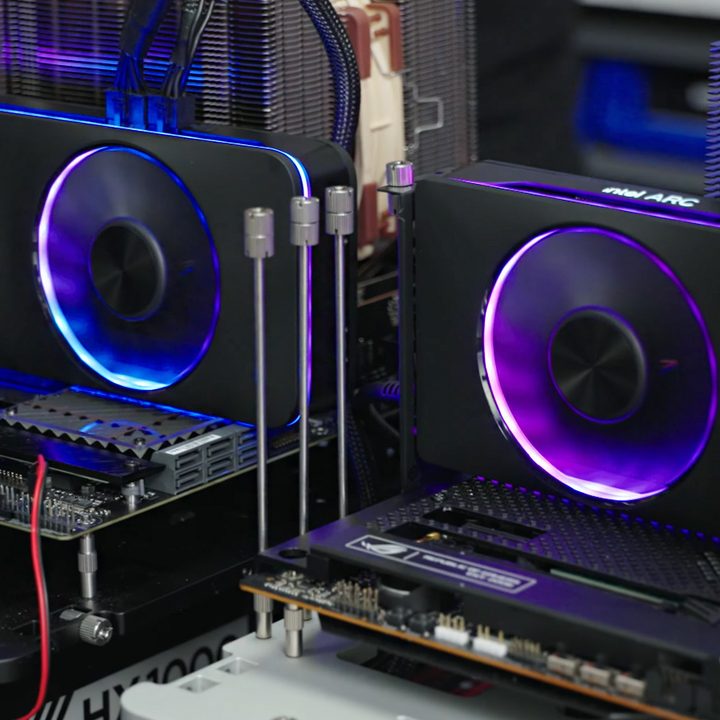
Intel Arc, in general, seems to struggle with driver optimization. Although the GPUs, which have been plagued by various delays, are still scarcely available, they will likely reach the end market sometime soon. Intel is set to attend LANfest in Colorado with a gaming bus filled with Arc-based computers, so the end of September seems like a safe bet, but the launch might happen even before that.
In the meantime, various Intel graphics cards are being spotted in benchmarks, some of which are released by Intel. The company revealed in a recent Linus Tech Tips video that it went all-in on DirectX12 compatibility, which is part of the reason why many games just don’t do well on Intel Arc. There are still some software optimizations to be made before the graphics cards are released to a wider audience.
The news about Intel driver fixes is something of a double-edged sword. On the one hand, it’s great that such a huge performance boost is on the way; on the other hand, this was a pretty big oversight with a clear impact on graphics performance. When it comes to Intel Arc GPUs, the hardware definitely has potential, so let’s hope that Intel will be able to work out the kinks in the drivers soon enough.


