

There’s a major change happening with Intel’s processors. The latest 14th-gen chips, previously known as the Raptor Lake Refresh, are available for sale, and you can read our Intel Core i9-14900K and Core i5-14600K reviews to see how they perform. They mark the last time Intel will use its Core i-series branding, as well.
Intel has gone through branding adjustments over its decades of business, but it established the Core i3, Core i5, and Core i7 brands in 2008 with the release of the Nehalem architecture. That’s the branding the company has stuck with for 15 years, updating the range with a Core i9 badge to note the most powerful chips in 2018.
The 14th-gen processors will be the last to use this branding. We have the Core i9-14900K, Core i7-14700K, and Core i5-14600K, but Intel says it will release more 14th-gen desktop CPUs throughout the next year. They’ll follow the same naming scheme, but come time for the launch of Meteor Lake in laptops and 15th-gen Arrow Lake on desktop, Intel will move onto its new Core Ultra branding.
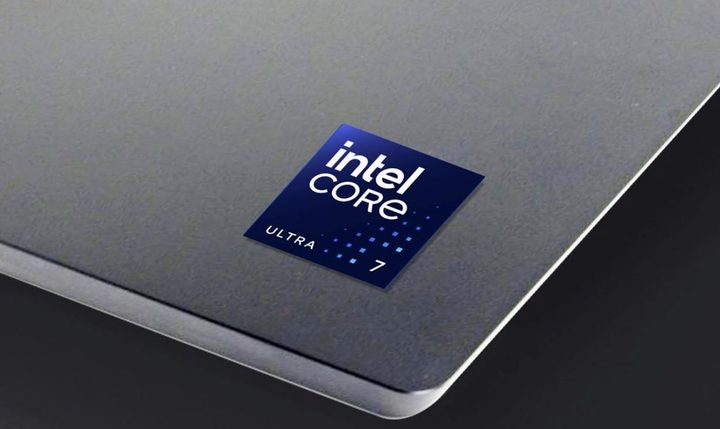
What does that mean for consumers? Not much. Intel will still segment its processors into groups, but they’ll be further split into Core and Core Ultra branches. For example, the Core i7-14700K could be something like the Core Ultra 7 processor 14700K. It’s not entirely clear how Intel’s suffixes, which note things like if the processor is unlocked for overclocking, will play into the new scheme.
Hopefully, the transition will be painless, though there’s usually some amount of friction with any major branding change. Even months after AMD changed its laptop naming scheme, there’s still a lot of confusion over what exactly you’re getting out of an AMD mobile CPU. Hopefully, Intel doesn’t fall into the same trap.
Those who frequent lists of the best processors will know what’s what with Intel’s new lineup, but there’s definitely the potential for confusion. In addition to the Core and Core Ultra branding, Intel is dropping mention of the generation. The official name for something like the Core i9-14900K is “Intel 14th Generation Core i9-14900K.” Under the new scheme, it would be “Intel Core Ultra 9 14900K.” That could leave some buyers in the dark about the generation of their CPU.
That’s ultimately a problem for 2024, though. The first Core Ultra CPUs will ship at the end of this year, but the lion’s share of chips won’t arrive until next year. Rumors say the first Core Ultra chips could be very expensive, but we’ll just have to wait and see.


