  1. Home
  2. Computing
  3. News

Over a million lines of DeepSeek chat history were exposed in just a few minutes

Add as a preferred source on Google
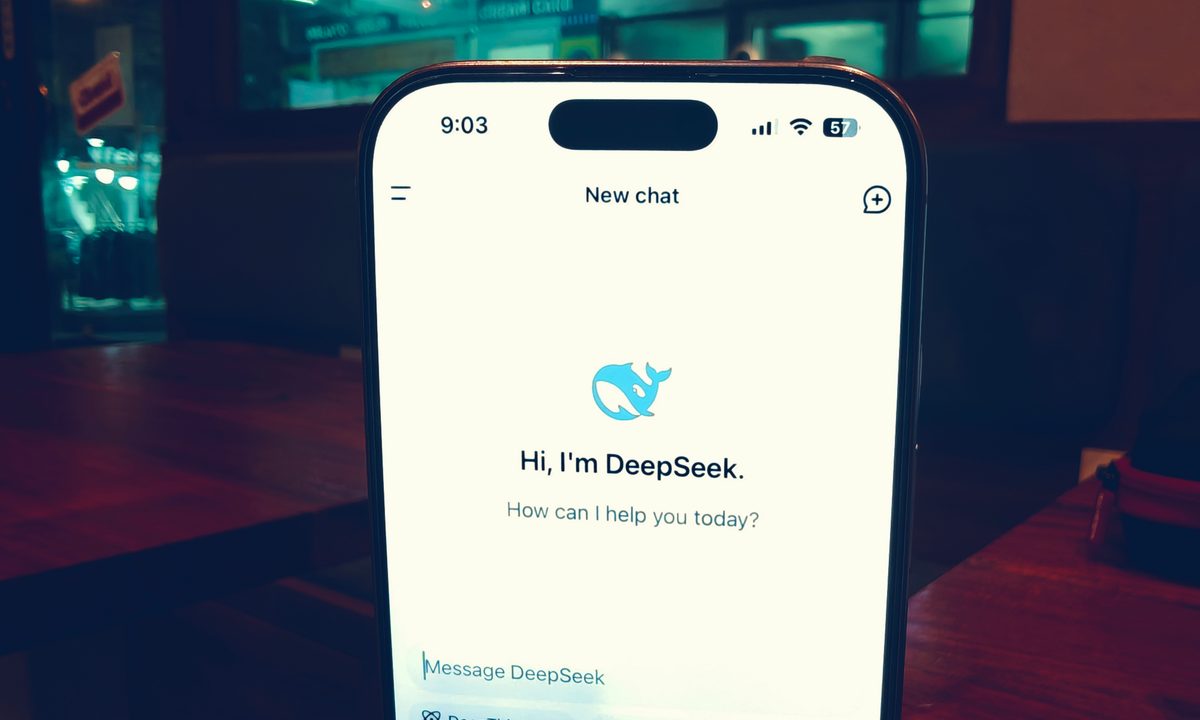
DeepSeek AI running on an iPhone.
The home page chat interface of DeepSeek AI. Nadeem Sarwar / Digital Trends

Cybersecurity researchers from Wiz have found a ClickHouse database owned by Chinese AI start-up DeepSeek containing over a million lines of chat history and sensitive information. The database was publicly accessible and allowed the researchers full control over database operations.

The exposure was quickly secured after Wiz shared its discovery with DeepSeek, but it’s possible that information could have already been exposed. Research of this kind doesn’t pry too far into the databases it finds for ethical reasons, but Wiz concluded that an attacker could potentially escalate their privileges within the DeepSeek environment and retrieve sensitive logs, chat messages, passwords, and local files — all without needing any kind of authentication.
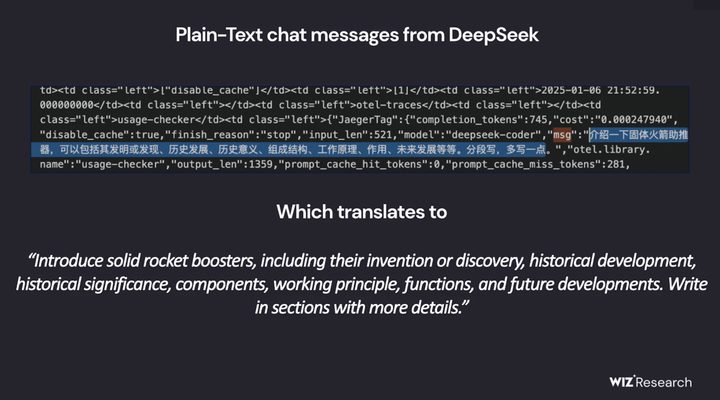
Screenshot from Wiz research into DeepSeek security.
Wiz / Wiz

Wiz targeted the start-up due to the recent media buzz around its R1 reasoning model, with the goal of assessing its external security. Somewhat shockingly, the ClickHouse database turned up after just a few minutes of basic searches and Wiz was able to interact with it through ClickHouses’s HTTP interface.

Recommended Videos

From there, all the researchers had to do was run a SHOW TABLES; query, and a list of accessible datasets appeared, including the “log_steam” table that included the many lines of sensitive information.

In its report, Wiz warns about the speed of AI adoption and how this pressure to develop, release, and integrate AI products as quickly as possible can lead to dangerous security practices. With all of the important and sensitive data that AI programs are now handling, the industry needs to enforce robust security practices that match those of public cloud providers and major infrastructure providers.

Willow Roberts
Willow Roberts has been a Computing Writer at Digital Trends for a year and has been writing for about a decade. She has a…
Macbook Neo stress test shows Apple could’ve made it run cooler with a simple fix
This simple mod makes the MacBook Neo faster.
Apple MacBook Neo with users hands on it

Apple's MacBook Neo arrived as a shock to the industry. It is the new cheap MacBook that is designed to be silent, efficient, and affordable. But a new stress test suggests that it could have been noticeably better with a very simple change.

As per a recent test, the addition of a basic copper plate to the cooling setup can improve both thermals and performance by a meaningful margin. And the frustrating part? It isn't some complex engineering overhaul and is relatively straightforward.

Read more
The Mac Pro is dead at Apple, and I’ll miss the cheese-grater powerhouse
RIP Mac Pro. The Mac Studio is taking the throne, and we're okay with that.
Electronics, Computer, Pc

Apple has officially discontinued the Mac Pro. It’s been removed from Apple’s website, and Apple has confirmed to 9to5Mac that there are no plans to release a future version. The buy page now redirects to Apple’s Mac homepage, where the Mac Pro no longer exists.

Why did Apple kill the Mac Pro?

Read more
March Madness, Revisited: The AI Model Did Well. But Mad Things Still Happen
Stills from NCAA games.

(NOTE: This article is part of an ongoing series documenting an experiment with using AI to fill the NCAA brackets and see how it fares against years of human experience. The original article is as follows.)

A week ago, I wrote about entering an NCAA tournament pool with a more disciplined process than I usually use.

Read more