  1. Home
  2. Computing
  3. News

Memory prices may not fall until 2027, new research warns

AI demand and supply constraints could keep DRAM and NAND prices elevated for years.

Add as a preferred source on Google
RAM memory chips
Sergei Starostin / Pexels

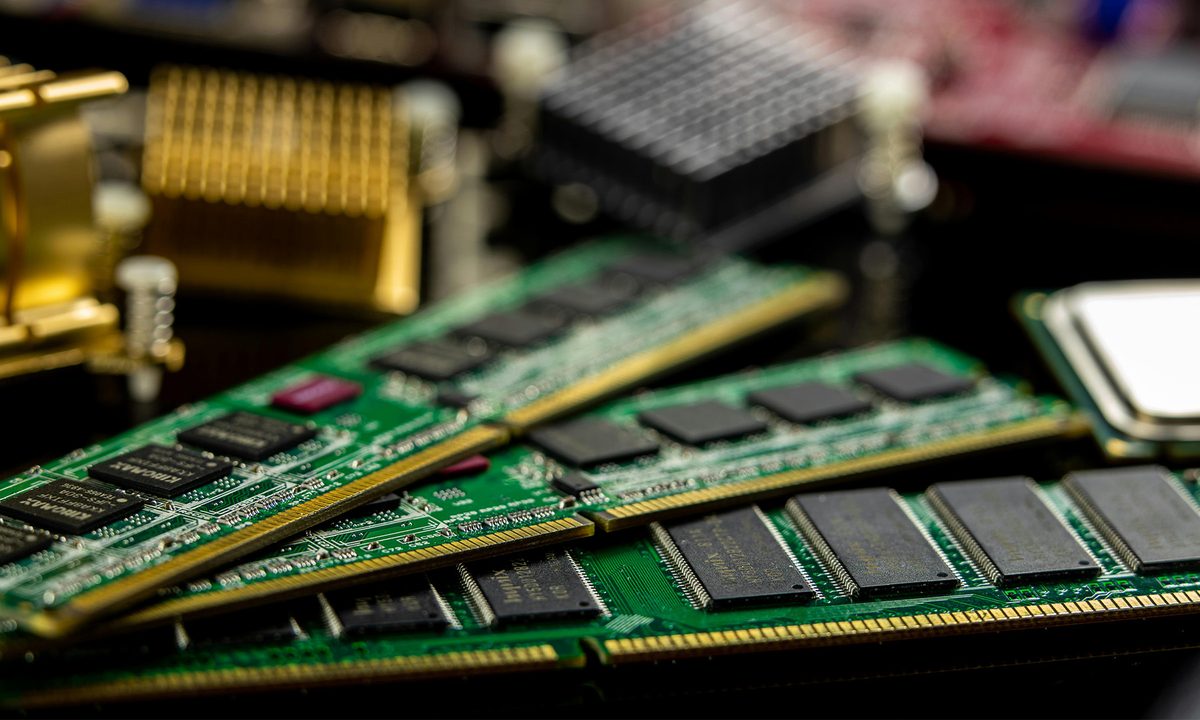
Anyone hoping for cheaper RAM in the near future might want to brace for disappointment. A new market analysis from Counterpoint Research suggests there is “no scenario” where memory prices meaningfully correct in the second half of 2027, signaling that the current surge in DRAM and NAND prices could persist for several years.

The warning comes amid what many analysts are calling a global memory crunch, driven largely by the explosive demand for AI infrastructure. Data centers building out large-scale AI systems require enormous amounts of memory, particularly high-bandwidth memory (HBM), which is consuming manufacturing capacity that would otherwise go toward consumer-grade chips used in PCs, phones, and SSDs.

Why are memory prices staying high for so long?

The core problem is straightforward: demand for memory is growing much faster than supply, largely due to the rapid expansion of AI infrastructure. AI data centers require enormous amounts of high-performance memory, and some estimates suggest they could consume around 70% of the world’s high-end DRAM by 2026.
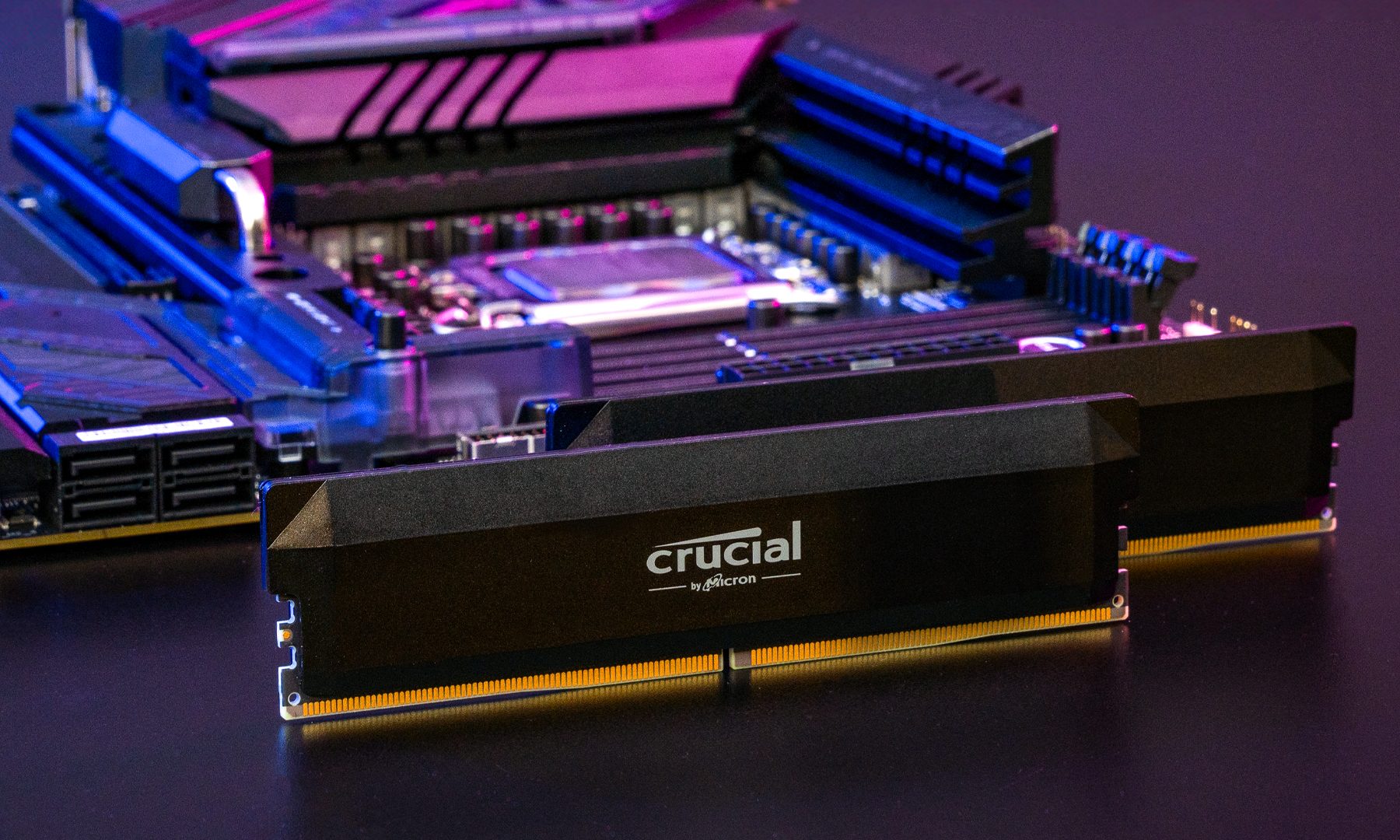
At the same time, manufacturers such as Samsung, SK Hynix, and Micron are prioritizing higher-margin technologies like high-bandwidth memory (HBM), which are essential for AI accelerators. This shift is reducing the supply of conventional memory used in consumer electronics, pushing DRAM prices sharply higher and leading analysts to warn that volatility and price increases could persist as supply struggles to keep pace with demand.

What could this mean for PCs and smartphones?

For consumers, rising memory prices could ripple across the entire tech industry. Since DRAM and NAND are essential components in PCs, smartphones, GPUs, and storage devices, higher memory costs can quickly translate into more expensive hardware.
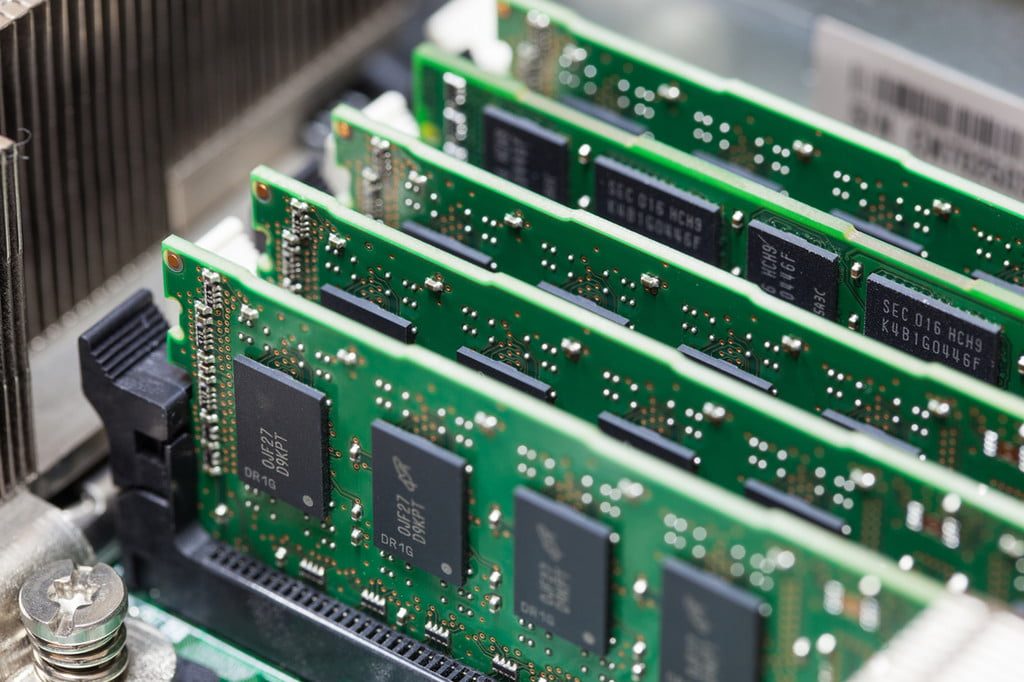
Analysts warn that sustained price increases could lead to double-digit price hikes for PCs and smartphones, forcing manufacturers to either raise prices or adjust specifications to protect margins. If current forecasts hold, the industry may be entering a longer AI-driven “memory supercycle,” meaning cheap RAM upgrades could remain out of reach for quite some time.

Varun Mirchandani
Varun is an experienced technology journalist and editor with over eight years in consumer tech media. His work spans…
Your next free Google account might only come with 5GB of storage
Google's free storage has been a competitive advantage over Apple's 5GB iCloud limit for years, but that’s changing.
Electronics, Mobile Phone, Phone

Google has quietly altered one of the most reliable promises in consumer tech: 15GB of free cloud storage. For years, signing up for a Google account meant getting 15GB of free storage, shared across Gmail, Drive, and Photos. However, that’s changed. 

New accounts are now defaulting to 5GB (same as iCloud), with the full 15GB available only if you have entered your phone number during setup. The prompt users are seeing reads: “Your account includes 5GB of storage. Now get even more storage space with your phone number.”

Read more
Sony shows off AI-touched Xperia 1 VIII camera samples. It’s an epic self-own that I can’t digest
Sony built the Xperia 1 series for people who know what a histogram looks like. Xperia Intelligence appears to have been built for everyone else, and the sample images make that tension impossible to ignore.
Sony aggressive AI photography featured.

Sony has a camera legacy that most brands, regardless of whether they make cameras or smartphones, dream of. The company rewrote what full-frame sensors could do with its Alpha series. 

That particular rendering of skin tones, that restraint with saturation, the commitment to accurate white balance; the company’s color science is precisely why cinematographers, videographers, and photographers like me, in the consumer tech space, swear by its color science and camera hardware. 

Read more
Razer’s new Blade 18 gets Arrow Lake refresh and a modest $3,999.99 starting price
For $3,999.99, you get the base model with Nvidia RTX 5070 Ti. A 5090 variant is available, too.
Razer Blade 18.

Razer has officially unveiled the 2026 Blade 18 today, and at the heart of all three configurations is an Intel Arrow Lake processor. 

I’m talking about the Core Ultra 9 290HX Plus, which features 24 cores, up to 5.5GHz clock speed (with boost), 36MB cache, and an onboard NPU that delivers up to 13 TOPS of compute power. 

Read more