
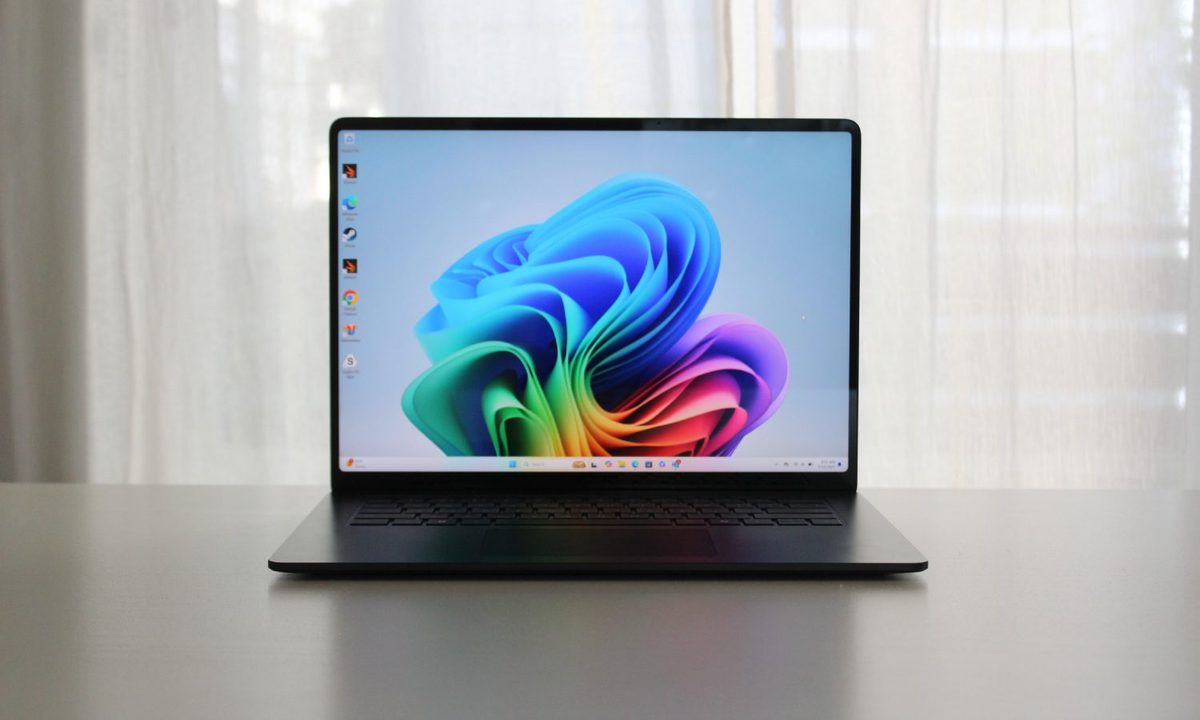
Microsoft has announced that support for Microsoft 365 apps on Windows 10 will end this year on October 14, as reported by The Verge. This is also the end-of-support date for Windows 10 as a whole, but the move is still a little surprising considering that Microsoft is now offering the Windows 10 Extended Security Updates (ESU) Program.
Anyone who joins this program for $30 can continue to safely use Windows 10 for a whole extra year — so you might think that Microsoft would let them continue to use the Office apps too. That said, it’s not like the apps will disappear, they just won’t receive any more updates. According to Microsoft, this could cause “performance and reliability issues over time” but whether these issues will pop up within the ESU program’s duration or not is anyone’s guess.
The switch from Windows 10 to Windows 11 has been long and painful for Microsoft — even after three years, there’s still a substantial chunk of people who are still using the older operating system. There are plenty of reasons why — lots of people still use machines that don’t meet Windows 11 hardware requirements, and others have been permanently scared off by years of scathing public opinion that Windows 11 is nowhere near as good as Windows 10. It’s also taken a long time for gamers to come around to Windows 11, though it recently overtook Windows 10 for the first time in October 2024’s Steam hardware survey.
Whatever the reasons, this reluctance to upgrade has clearly been driving Microsoft insane. The company is trying everything from full-screen upgrade prompts to awkward marketing tactics declaring 2025 as “the year of the Windows 11 PC refresh.”
Unfortunately for Microsoft, however, there is a huge number of people who only own PCs out of necessity and won’t even think about replacing them until they literally stop working. There are also plenty of businesses reluctant to upgrade since their current company PCs still work perfectly well in every other way.
In a lot of ways, it feels like the world just didn’t need another iteration of Windows yet. Perhaps the company really should consider supporting a basic no-new-stuff version of its OS for all the people who just don’t care. It might be expensive, but surely all of this drama, failure, and marketing around upgrades is expensive too.


