  1. Home
  2. Computing
  3. Emerging Tech
  4. Legacy Archives

Microsoft forecloses on Hohm

Add as a preferred source on Google
Image used with permission by copyright holder

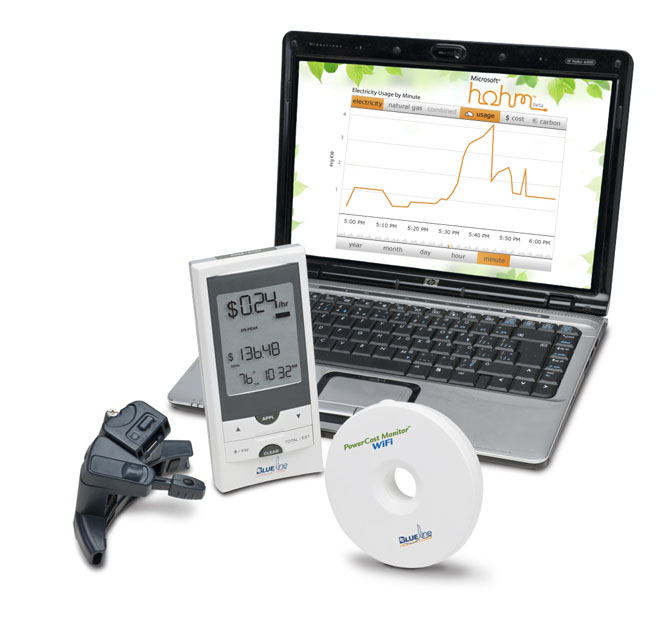
Microsoft has announced it will be discontinuing its Microsoft Hohm utility and energy usage monitoring service on May 31, 2012, although the service will continue to run until then. Launched in 2009, Hohm was an effort to enable consumers to more easily track and analyze their home electric, water, and energy usage patterns in order to save resources—and money!—and lead a greener lifestyle.

“The feedback from customers and partners has remained encouraging throughout Microsoft Hohm’s beta period,” Microsoft wrote in a blog posting. “However, due to the slow overall market adoption of the service, we are instead focusing our efforts on products and solutions more capable of supporting long-standing growth within this evolving market.”

Recommended Videos

The decision comes just days after Google announced it was shutting down its similar Google PowerMeter service, along with its more-ambitious Google Health online medical records service.

Both Google PowerMeter and Microsoft Hohm offered consumers detailed analysis of their energy and utility usage: although some information and advice was available just by entering a home’s location, the services’ detailed analysis came from actually monitoring utility usage. Although the services’ information was usually quite detailed and accurate, industry watchers believe it wasn’t very compelling to homeowners because in many cases it wasn’t particularly revealing: it doesn’t take a genius to figure out a home loses a lot of heat from single-pane windows, or that a high-efficiency gas furnace might be a good idea. The services were also only embraced by a handful of utilities: most American consumers never had an opportunity to see them at their best.

Microsoft plans to continue operating Hohm through May 31, 2012; Google is turning off PowerMeter on September 16, 2011. Both companies say they’re looking at other ways to apply technology to help consumers and businesses adopt more sustainable and environmentally-friendly practices.

Geoff Duncan
Former Contributor
Geoff Duncan writes, programs, edits, plays music, and delights in making software misbehave. He's probably the only member…
The maker of ChatGPT wants to make open-source projects less of a security bargain
OpenAI launches Patch the Planet for open-source security, with over 30 open-source projects on board.
openai-chatgpt-os

OpenAI has launched Patch the Planet, a new initiative aimed at fixing one of the internet's quietest problems – the chronically underfunded security of open-source software.

Patch the Planet pairs OpenAI's most security-capable AI models with Trail of Bits, a security firm that has committed its entire research organization to the effort, alongside support from HackerOne and Calif.

Read more
I sifted through the Prime Day chaos to find the best Apple deals actually worth buying
Apple's about to hike prices. Prime Day 2026 is your last chance to save up to $150 on MacBooks, AirPods, and iPads.
Prime Day Deals on Apple Products

Apple is set to increase the prices for its upcoming iPhones and MacBooks, as the company can no longer offset the rising RAM and storage costs. That means, if you are looking to upgrade your aging device, you should buy the current-generation Apple products rather than wait for the new ones.

And since Amazon Prime Day is offering good discounts on the latest iPhones, iPads, MacBooks, and other Apple accessories, this is the perfect time to buy them. Here are my favorite Amazon Prime Day deals for Apple products. 

Read more
This sneaky photo trick gets AI chatbots to ignore their safety rules
Florida International University researchers built a method that nearly doubled the rate of harmful responses from a tested AI model using nothing but pixel-level edits in an image.
JaiLIP AI chatbot exploit image

A photo that looks completely ordinary to you could carry a hidden instruction to trick an AI chatbot into ignoring its safety rules, according to new research out of Florida International University. The study found that pixel-level alterations in an image that are invisible to the human eye can be enough to confuse the model reading the image and lead it to generate responses it would normally block.

Hacking what the AI sees

Read more