  1. Home
  2. Computing
  3. News

Microsoft’s next Xbox console is Project Helix, and it will run PC games too

Project Helix could blur the line between PC and console gaming.

Add as a preferred source on Google
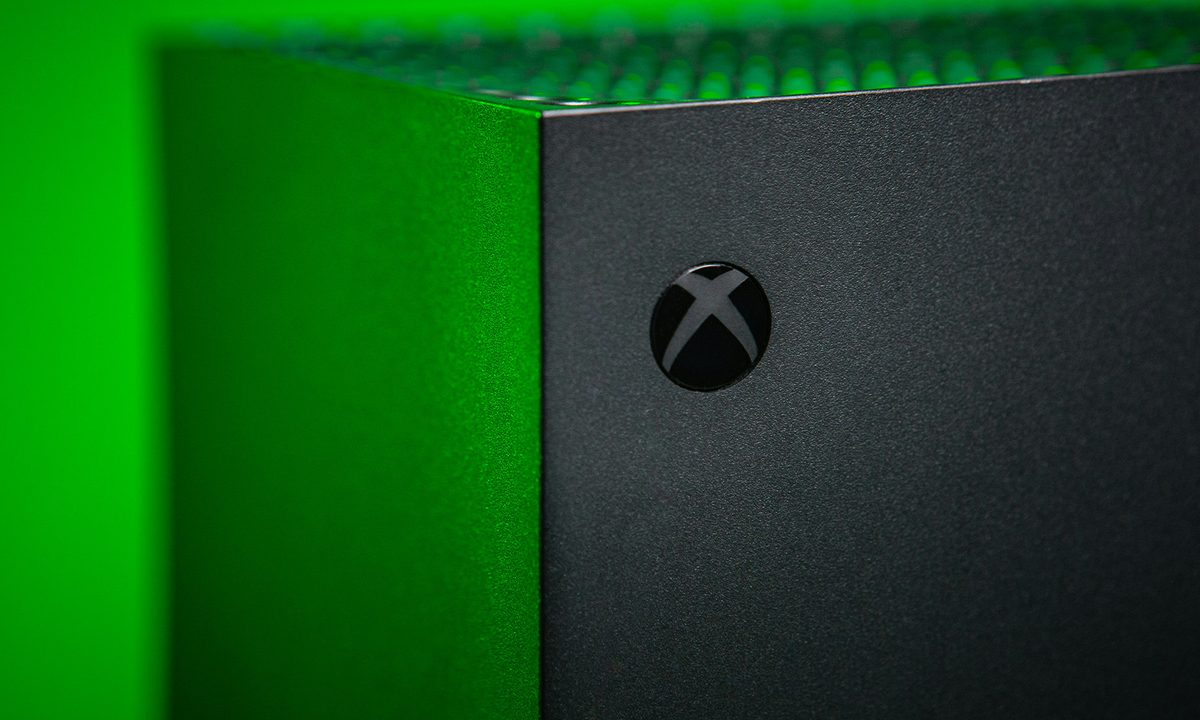
Xbox Console Green Image
Billy Freeman / Unsplash

Microsoft has hinted at the future of gaming with Xbox after confirming the codename for its next-gen console. Project Helix was revealed in a recent tweet by Microsoft Gaming CEO Asha Sharma, who offered an early glimpse at the company’s upcoming hardware plans.

In her post on X (formerly Twitter), Sharma said that Microsoft has discussed its “commitment to the return of Xbox” and confirmed that Project Helix codename for the next-gen Xbox console.

A console that can also run PC games

One of the most notable details from the announcement is that Project Helix will support both Xbox and PC games. Sharma said the upcoming system will “lead in performance and play your Xbox and PC games,” hinting at a new hybrid approach over traditional console gaming with the flexibility of a PC. While the gap between Xbox and Windows has narrowed in recent years, this is the first gaming system to combine the two platforms.

Recommended Videos

If this vision holds true, Project Helix could further blur the line between consoles and PCs. Microsoft has already been moving in that direction with its Xbox Play Anywhere and deeper integration between Windows and the Xbox ecosystem.

More details expected at GDC

Sharma also revealed that more information about the next-gen Xbox will arrive soon, adding that she’s looking forward to discussing the console with partners and studios at the upcoming GDC event (Game Developers Conference). For now, finer details remain scarce, and Microsoft has yet to reveal specifications, pricing or a release window for Project Helix.

However, the announcement does make it clear that the brand is still committed to the console market, and the next generation could bring a much tighter integration between Xbox and PC gaming ecosystems. If Microsoft delivers on that promise, Project Helix could represent one of the biggest shifts in Xbox hardware strategy yet.

Vikhyaat Vivek
Vikhyaat Vivek is a tech journalist and reviewer with seven years of experience covering consumer hardware, with a focus on…
The US government just hit the brakes on Anthropic’s most powerful AI models
Anthropic disables Fable 5 and Mythos 5 after US government directive
Laptop running Claude Fable

Anthropic’s troubles with the US government do not seem to be easing. The company has now been ordered to suspend access to Fable 5 and Mythos 5 for all foreign nationals, including foreign national Anthropic employees working inside the United States.

Anthropic said it received the directive on June 12 and is disabling the two models for all customers to comply. Other Anthropic models are not affected. The government has not publicly explained the full national security concern, but Anthropic says it understands the order is linked to a reported method for bypassing, or jailbreaking, Fable 5’s safeguards.

Read more
Nvidia’s RTX Spark made me hate content creation a little less
Adobe's AI-powered demos showed me a future where masking, rotoscoping, and scene detection might finally stop being a chore.
NVIDIA RTX Spark for Creators Image Generation Demo Computex 2026

Every video editor has a list of tasks they'd happily outsource to someone else. Exporting isn't one of them anymore because modern laptops are already plenty fast. The real-time sinks are the boring bits: manually masking subjects, finding scene cuts in long recordings, rotoscoping frame by frame, or wrestling with tedious edits that require more patience than creativity.

That's exactly why NVIDIA's RTX Spark demo at Computex 2026 caught me by surprise. I walked into the booth expecting another presentation full of AI buzzwords and benchmark charts. Instead, I walked out thinking that for the first time in years, hardware might actually be changing the editing experience itself, rather than simply making renders finish a little sooner.

Read more
I tried Acer’s new 5K MiniLED Gaming monitor, and OLED kept popping into my head
After seeing it in action at Computex, I finally understand where MiniLED shines and where OLED still wins.
MiniLED vs OLED Hands On Computex 2026

If Computex 2026 taught me one thing, it's that monitor makers are no longer interested in building one-trick ponies. They want displays that can wear multiple hats, seamlessly switching between work and play without making users choose. Acer's new Nitro XV345CKR P is perhaps the best example of that philosophy, and after spending time with it on the show floor, I walked away impressed by its ambition while also questioning whether MiniLED is really the future for gaming monitors.

I've always had a slightly complicated relationship with MiniLED. On a massive living room TV, it works wonders because you're sitting several feet away, and the local dimming zones blend beautifully. Put the same technology on a monitor that's sitting barely two feet from your face, however, and suddenly you're no longer admiring the display, you're inspecting the physics behind it.

Read more