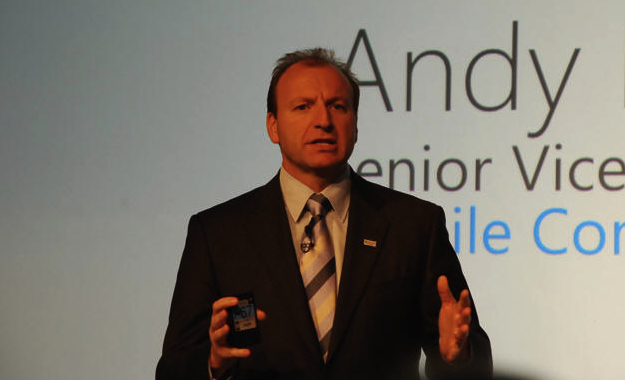
 Microsoft CEO Steve Ballmer has announced through an internal email that the current president of the Windows Phone Division, Andy Lees, will be moving to a new position in the company. He’ll be replaced by Terry Myerson, who will take over his responsibilities in the department, but according to AllThingsD, not his title as president of the division.
Mr. Lees new role hasn’t been given a title, but is described by Steve Ballmer as “a time-critical opportunity focused on driving maximum impact in 2012 with Windows Phone and Windows 8.” He goes on to say that both Windows Phone and Windows 8 have “tremendous potential,” and that the change in management will help “deliver against this potential.”
Lees has been president of the Windows mobile division since 2008, where he worked alongside his replacement, Terry Myerson, who specifically oversaw the engineering section. Now, Mr. Myerson will lead the Windows Phone development, engineering and marketing teams.
The Guardian newspaper points out Myerson and Lees previously worked together on the Pink/Kin project, a feature phone product line which failed miserably. Some less than complimentary quotes regarding the pair’s management style come from former Danger employees who joined Microsoft following a buyout, raising concerns over how his arrival will affect the team.
On the other hand, Myerson is said to have an excellent relationship with Nokia, arguably one of Microsoft’s most important hardware partners for the coming year. Nokia has even made a statement regarding the move, proving the company’s tight relationship with Microsoft, saying they’ve been “working closely with Terry and are looking forward to collaborating with him more broadly,” as well as thanking Andy Lees for his support.
The management change takes place with immediate effect.