  1. Home
  2. Computing
  3. Mobile
  4. News

A revolution in laptop RAM is upon us

Add as a preferred source on Google
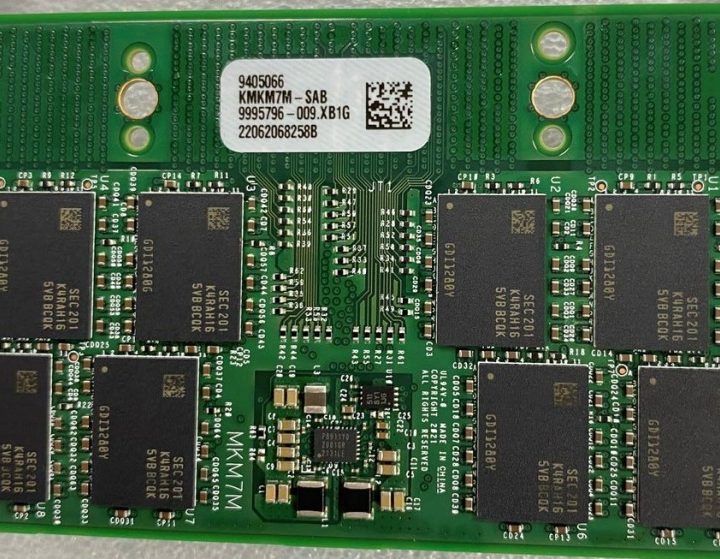
Dell's CAMM laptop RAM module.
Dell

It’s time to bid a slow farewell to the SO-DIMM memory standard we’ve grown used to seeing in some of the best laptops. A new standard just got approved by JEDEC, the organization that defines specifications for various types of memory — and it’s going to be faster, offer higher capacity, and take up far less space. What’s the catch? Unsurprisingly, it’s likely going to cost a pretty penny.

According to JEDEC’s official announcement, the new memory module is called CAMM2, and it’s not exactly as new as it might seem. It was first introduced by Dell in the Precision 7670 laptop, and it was initially simply referred to as “CAMM.” It brought a bunch of improvements over SO-DIMM, but being a proprietary memory module, it locked users out of RAM upgrades and replacements — after all, Dell was the only company to produce this type of memory. With CAMM2 now standardized, we’re going to see this RAM become more widespread over time.

Recommended Videos

CAMM2 will come in two flavors: DDR5 and LPDDR5(X), meaning low-power memory. This will include non-soldered LPDDR5 memory, allowing for upgradeability due to the fact that it can be easily removed and replaced.

What are the benefits of CAMM2 versus SO-DIMM? For starters, it’s a lot thinner, meaning it’ll allow ultralight laptops to stack up more memory. As per a report from Tom’s Hardware, CAMM is up to 57% thinner than SO-DIMM, and will allow laptops to sport up to 128GB of RAM.

This is more than anyone will ever need in a gaming laptop, but for workstations, it could be a great improvement. Not to mention that this standard, if all works out as intended, will stick around for a while. And who knows how much memory will be the go-to in four or five years?
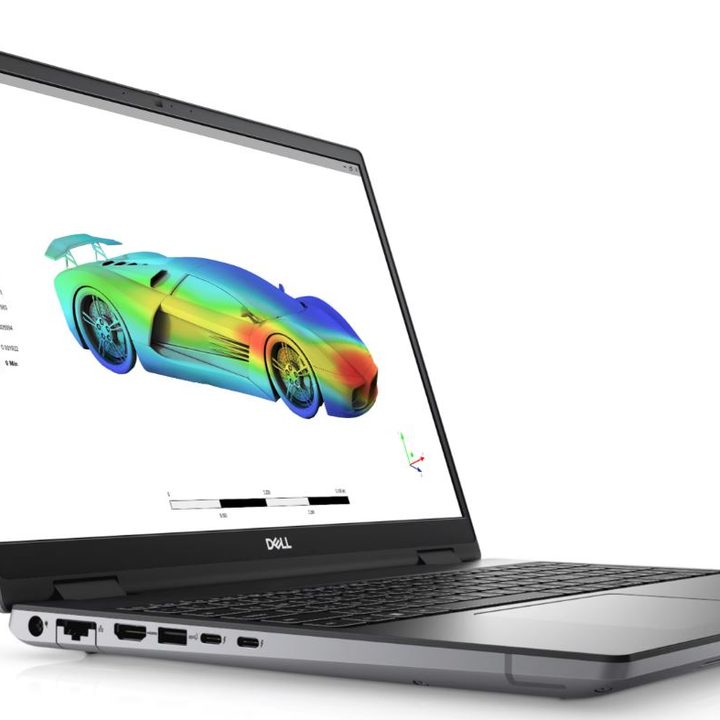
Dell Precision 7670 laptop over a white background.
Dell

Greater capacity and the small form factor aren’t the only upsides, though. We might see DDR5 laptop RAM that breaks past 6,400MHz with the new CAMM2 standard. This is great future-proofing as desktop RAM speeds continue scaling up, and laptops need to be able to follow that trend.

Perhaps the most interesting part of this new memory standard is the fact that CAMM2 can activate dual-channel memory with just a single RAM module. This can improve performance without requiring more than one RAM stick.

Although we now have a new RAM standard, it’ll take a long time before it’s fully phased into the laptop market. We know that laptop memory has a bright future, but the first devices to sport the new standard will probably be outrageously expensive. Over time, we’ll see greater adoption of CAMM2 as SO-DIMM fades into the background. This is similar to what we’re seeing with DDR4 and DDR5 RAM right now, where both coexist and are still viable, and DDR5 prices are beginning to normalize.

Monica J. White
Monica is a computing writer at Digital Trends, focusing on PC hardware. Since joining the team in 2021, Monica has written…
I’m not sold on Googlebook’s future, but it sure has two big wins I can’t ignore
Magic Pointer and native Android app could help Googlebook prove its future
Googlebook

Shortly after its announcement, the discourse surrounding Googlebook quickly took over forums, subreddits, X, and other social media platforms. Google just introduced a new category of laptops built around Gemini Intelligence, Android integration, ChromeOS, phone continuity, premium hardware, and OEM partners.

Yet, I am still not fully sold on the larger future Google is describing here. Google has been in laptops for more than 15 years through Chromebooks, and the company itself frames Googlebook as a move from an operating system to an “intelligence system.” This sounds like the "future" of laptops, but it also carries the Google problem, where it introduces an interesting idea before the ecosystem has proven itself.

Read more
Google will let some Chromebooks transition into a Googlebook experience soon
Google says some existing models will move into the Googlebook experience, while ChromeOS support continues for devices left behind
Clothing, Coat, Footwear

Googlebook is launching this year, but Google isn’t cutting every Chromebook loose.

In an interview with Chrome Unboxed, Google VP John Maletis said some Chromebooks will be able to move into Googlebook-style software through a firmware update. This means Googlebook shifts Google’s laptop plans toward an Android foundation, with Gemini built more deeply into the laptop experience and Android apps no longer sitting behind the same emulation layer.

Read more
Googlebook laptops will come in multiple chip options beyond just Intel, and that’s a relief
More chips, more choices. Google is giving Googlebook buyers real hardware flexibility from day one.
Googlebook

After Google's bombastic Android Show, where the company unveiled tons of new features, Google VP John Maletis sat down with Chrome Unboxed to talk Googlebook. The interview contains several nuggets of information, and one of the most reassuring confirmations we got was about the chips powering these new laptops. 

Maletis said that Google is working with Intel, Qualcomm, and MediaTek, meaning the platform won't live or die by a single silicon provider. For anyone who has followed the Chromebook space for a while, this is genuinely good news.

Read more