
The ongoing component shortages will seemingly affect upcoming graphics cards from Nvidia, with two planned models in its RTX series subjected to possible delays.
According to leaker Igor Wallossek (spotted by VideoCardz), the expected announcement of the GeForce RTX 3070 Ti 16GB variant on December 17 has been postponed. The GPU was said to be due for a launch on January 11, but Wallossek’s sources indicate that has also been pushed back until sometime after February 1.
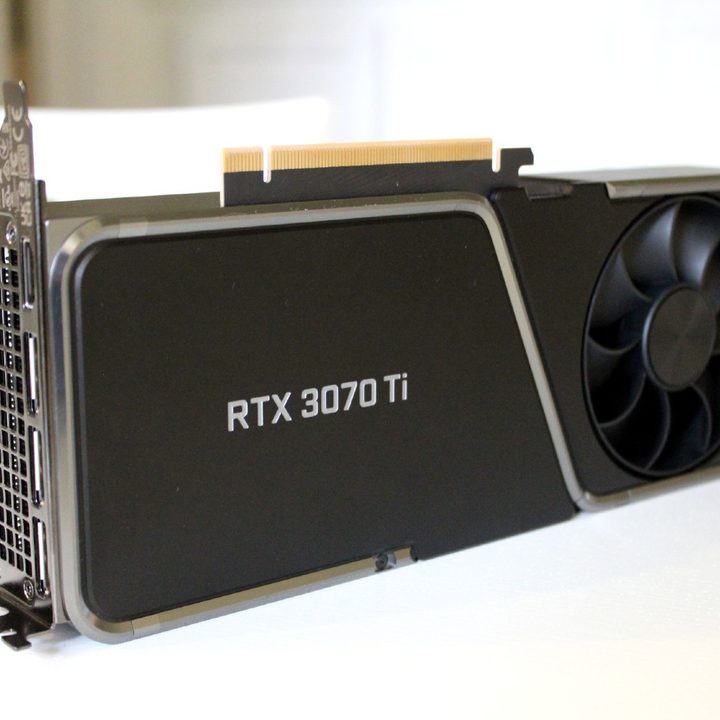
Another card that was expected to be revealed on December 17 was the RTX 3080 12GB model. However, Nvidia has yet to issue an update to board partners in regard to the card, so an unveiling could be off the table for it as well.
The sole reason behind the rumored delays of both the RTX 3070 Ti 16GB and RTX 3080 12GB cards has been attributed to the lack of availability of key components. It’s no secret that manufacturers across the entire technology industry have been affected by chip shortages, in addition to supply chain bottlenecks.
As noted by Wallossek, in the case of the latter card, releasing an upgraded version of the standard RTX 3080 may not make sense due to the current conditions of the market and the popularity of the original card itself. Why divert resources that could otherwise be used to build more RTX 3080 10GB cards, especially considering the scarcity of components that are required to create such GPUs?
While the alleged delays of the aforementioned cards have been attributed to component shortages, one product that will not be affected by the current state of affairs is the RTX 3090 Ti. According to Wallossek’s sources, Nvidia’s forthcoming flagship GPU is still set for a release on January 27, which would point toward an official unveiling at CES 2022 on January 4.
Still, due to the specs of the GeForce RTX 3090 Ti, including its 24GB of GDDR6X memory and the 450-watt TDP, you’re looking at a cost exceeding the original version’s $1,499 price point. Granted, such graphics cards are always pricey given they’re predominantly aimed at the enthusiast segment of the market. However, if scalpers, bots, and crypto miners get their hands on the card first, buying one at the MSRP will be almost impossible. Realistically, prices are likely to reach closer to the $3,000 mark.
To showcase just how dire the GPU shortage is at the moment, a quick glance on eBay for the regular GeForce RTX 3090 shows some sellers listing prices upwards of $3,000, with some units even listed at $3,500 and above.
One GPU that was not mentioned in the report is a new variant of the RTX 3050, which offers 8GB of GDDR6 memory and is built on the 8nm process. The exclusion by Wallossek could be an oversight, but only time will tell. It will obviously be a more affordable option for consumers compared to the RTX 3090 Ti, but we’ll have to wait to see if the RTX 3050 8GB hits its purported January 27 release.
In any case, should these delays become a reality, it’s another setback for those who have been looking for new video cards in order to build their PCs. As for when the GPU shortage will show signs of improvement, Nvidia recently said supplies for its cards are expected to receive a boost during the second half of 2022 thanks to manufacturing agreements.


