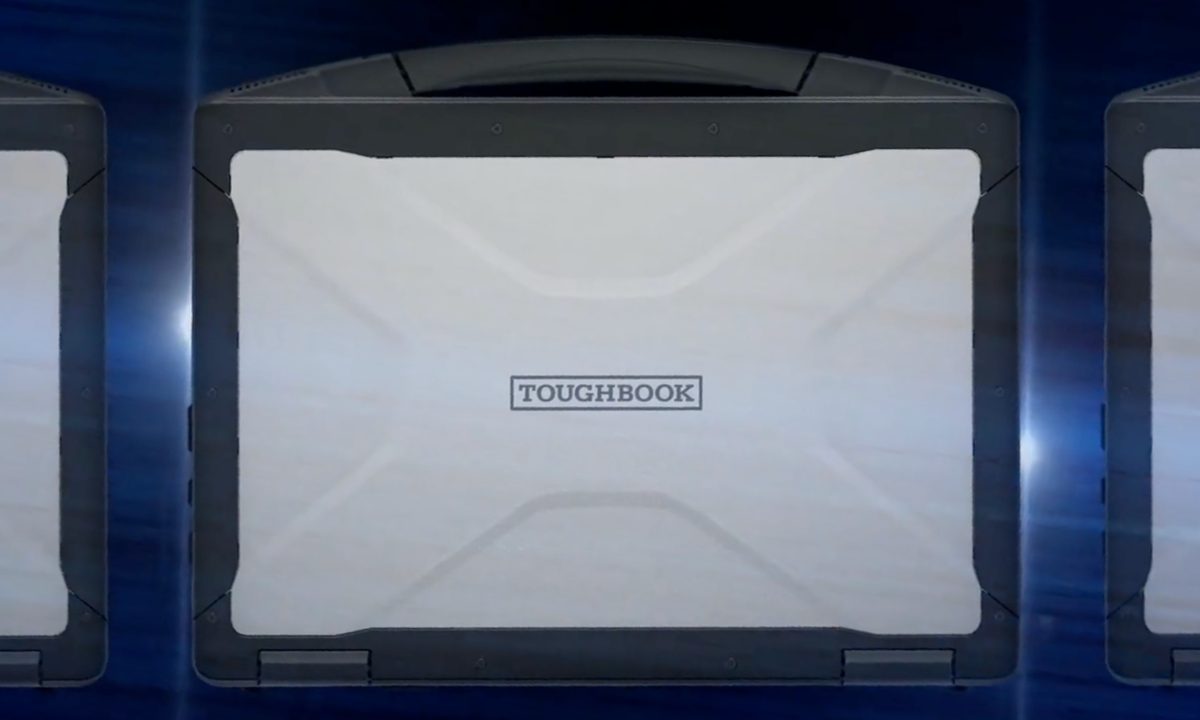
Panasonic has come up with a battery anxiety solution for laptop owners that might sound absurd at first, but the more you think about it, the more practical it gets.
The Japanese brand has launched the Toughbook 56, the successor to the Toughbook 55, and it’s built for people who are always on the go and don’t get enough time to charge their laptops.
What’s the big deal about Toughbook 56’s battery?
The Toughbook 56 features dual-swappable batteries, each providing up to 12 hours of battery life.
Together, the batteries take the Toughbook 56’s runtime up to 24 hours. The outstanding battery life aside, you can swap either battery mid-operation (when both slots are occupied), a feature called “hot-swapping.”
What this enables is uninterrupted operation for extended periods, especially in remote setups where power isn’t readily available.
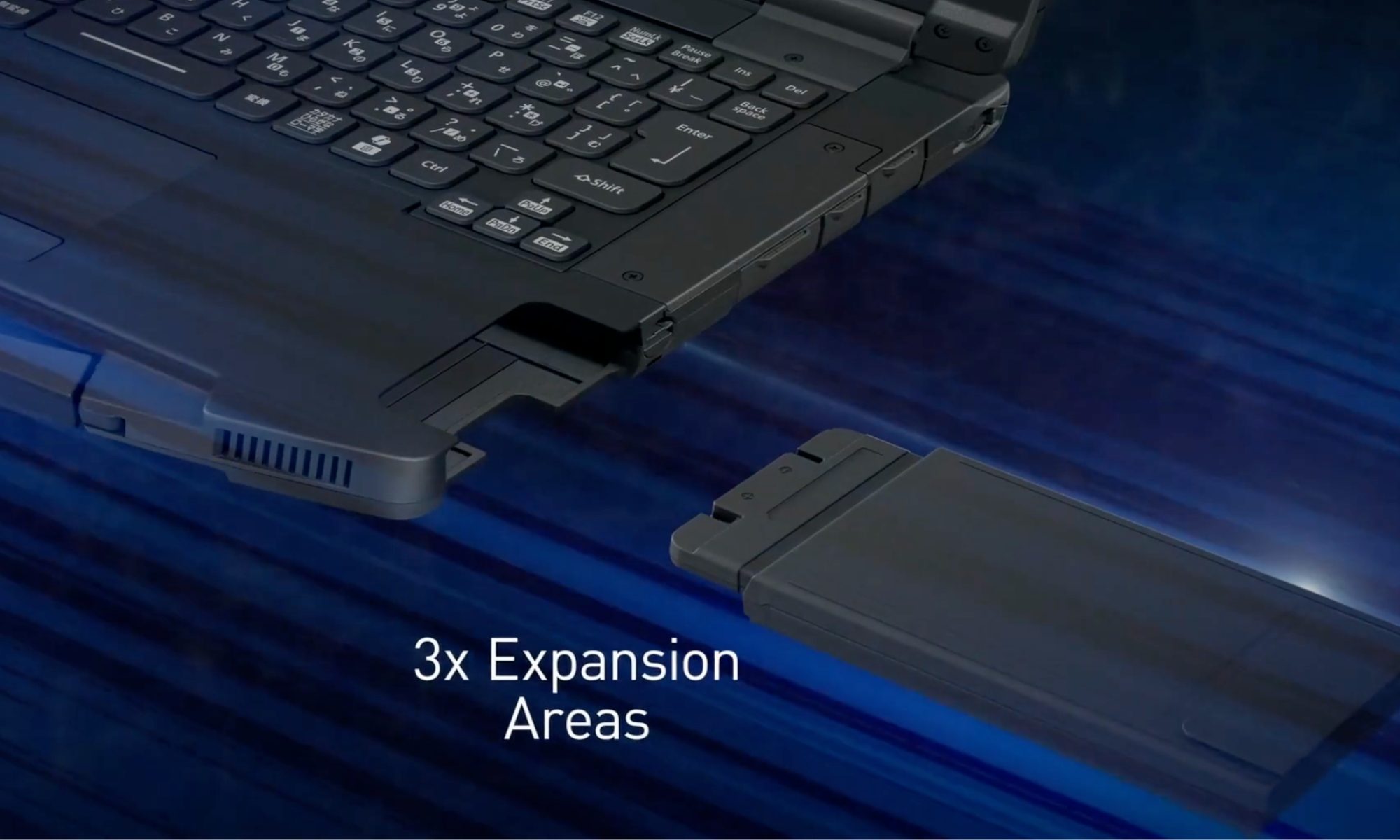
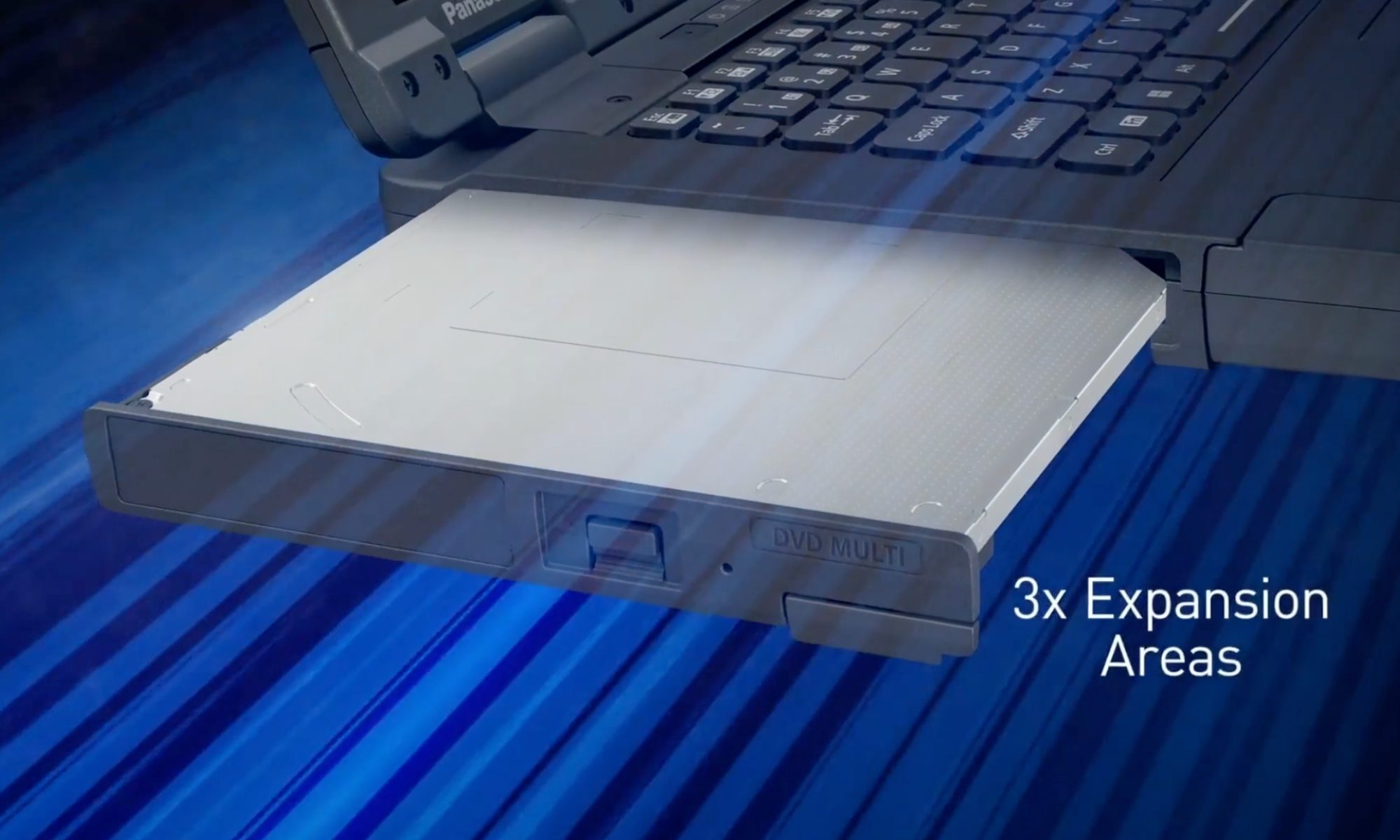
Unlike regular laptops, the Toughbook 56 offers a modular design using three expansion areas, allowing you to add or remove hardware components such as the battery module, fingerprint reader, smart card reader, LAN module, external storage, a DVD multi-drive, and USB hubs.
A modular and customizable design
Essentially, you can customize the laptop for different use cases by adding or removing the specially designed hardware components (called xPAK modules). Most of them feature a tool-less design, offer plug-and-play functionality, and are backward compatible.
Beyond the swappable batteries and the modular design, the Toughbook 56 runs on Intel’s Core Ultra Series 2 (Meteor Lake) processors, supports up to 64GB of DDR5 RAM, and up to 2TB of SSD storage.
It comes with a 14-inch WUXGA (1920 x 1000) display capable of achieving 1,000 nits of peak brightness and one nit of minimum brightness. An optional touchscreen is also available. Built-in connectivity options include Wi-Fi 7 and Bluetooth v5.4.
The device also has an IP53 dust- and water-resistant rating and can operate between -29°C and 60°C, making it one of the most durable laptops. While the Panasonic Toughbook 56 will be available in Europe and the U.K. in May 2026, its North American arrival is also slated for the second quarter of 2026.