
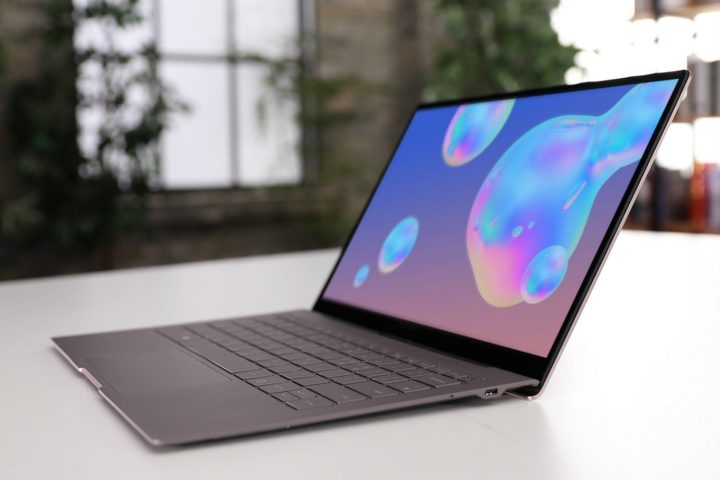
Samsung laptops have never caught on in the states quite like they have elsewhere, but the company hasn’t stopped trying. Its newest laptop is called the Galaxy Book S, and it was announced live at the Samsung Unpacked press event, alongside the Galaxy Note 10 and Galaxy Note 10 Plus, on August 7.
The Galaxy Book S is a new laptop design with a slim profile, thin bezels, and spacious touchpad. It weight just 2.12 pounds, which is almost a pound lighter than the MacBook Air. Samsung laptops in the past have been known for super-lightweight designs, so we expect the Galaxy Book S to continue that tradition. In addition to a microSD card slot, the Galaxy Book S will include two USB-C ports — one on each side. These are not, of course, Thunderbolt 3, as that is an Intel technology.
The laptop is a follow-up to the Galaxy Book 2, a Surface Pro look-alike with a Qualcomm Snapdragon processor and LTE connectivity.
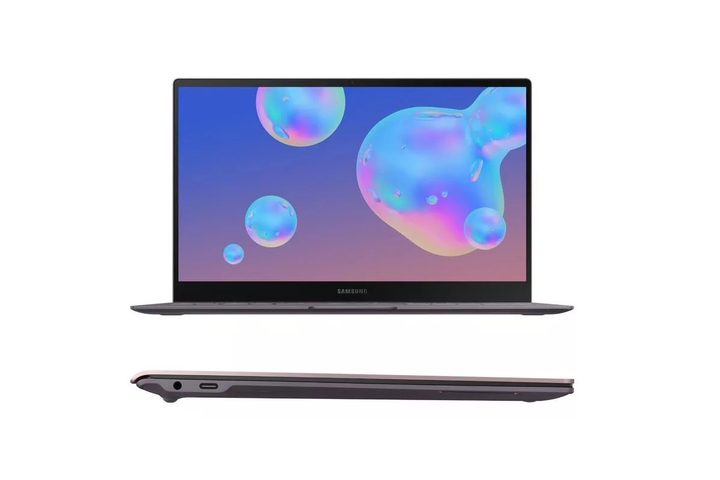
Surprisingly, the Galaxy Book S is powered not by the mobile Snapdragon 855, but the Snapdragon 8cx. The processor was first announced at the end of 2018, but this is the first device we’ve seen so far with this powerful new chip from Qualcomm. With eight cores, it’s meant to be a true competitor to Intel’s mobile processors, boasting significantly improved multitasking capabilities and higher clock speeds than previous Qualcomm PC processors. Samsung didn’t mention the chip by name in its announcement outside of the photo that was shown.
The two big advantages of this platform, according to Samsung, are battery life and connectivity. Samsung claims the Galaxy Book S will achieve an impressive 23 hours of battery life in video playback with its 42 watt-hour battery, enough to last you multiple days of usage. In terms of connectivity, you get access to built-in LTE support. This isn’t the rumored 5G laptop Samsung had in the works, but it does come with Qualcomm’s LTE modem for constant connectivity.
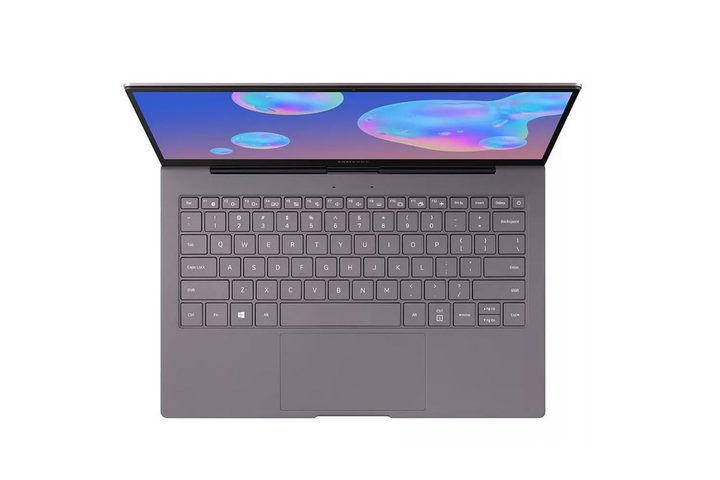
The device is said to have a 1080p, touch-enabled screen, though it doesn’t have a 360 hinge or any other 2-in-1 functionality. The base model includes 8GB of RAM and a 256GB SSD, with the option of moving up to 512GB of storage.
The Galaxy Book S starts at $999, and Samsung says it’s set to ship in September of this year.


