My wife recently woke up from a nightmare where AI had taken over human bodies. The likely culprit was less dramatic: Google Photos kept nudging her to “AI” herself when she only wanted to look at pictures of our cats.
That’s where a lot of people are with AI right now. Curious, tired, mildly creeped out, and increasingly annoyed when normal apps start acting like every action needs a software demo attached.
I get the tension. AI spent the last couple of years trying very hard to become a product. The better trick may be learning when to disappear.
The best AI gadget may not look like one
That’s why the most interesting examples right now often don’t look like AI gadgets at all. They look like ordinary devices that picked up a few new habits without demanding a new ritual.
Samsung’s Galaxy Buds4 can work with Galaxy AI features such as Interpreter and Live Translate when paired with compatible Galaxy devices, which turns the earbuds into the place where the feature shows up, rather than the product people are being asked to think about.

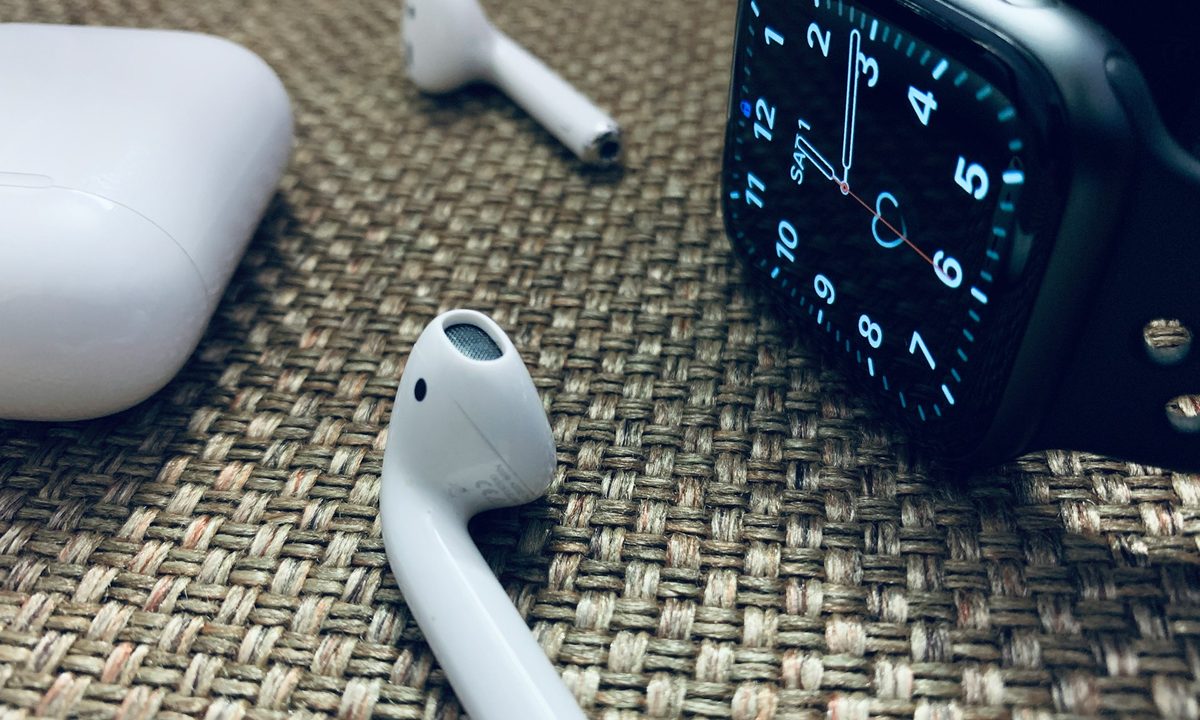
Apple is pushing a similar idea with Live Translation on AirPods, where the feature lives inside the earbud-and-iPhone ecosystem rather than a separate translation gadget.
Samsung’s Vision AI TVs use AI to tune picture and audio. Mercifully, the couch doesn’t need to become a chatbot terminal.
Google is doing its version with Pixel 10, where Gemini is built into the phone instead of sold as a separate pocket oracle.

That’s a better fit for people who aren’t trying to beta-test their toaster. They want the things they already bought to behave less stupidly.
Not every AI sticker means progress
The catch is that “AI inside everything” can also become the new “smart inside everything,” and that phrase has already committed enough crimes against kitchen counters. Some features are genuinely practical. Some are old automation wearing a shinier jacket. Some probably exist because a product box needed another marketing badge.
If AI helps a device do the thing it was already supposed to do with less fiddling, there’s at least a real job underneath the branding. If it creates a new panel, prompt, subscription, or setting to babysit, then it’s not progress. It’s another chore with better marketing.

Boring AI might be the useful kind
Consumer AI starts to make more sense when it stops arriving as another rectangle to charge, update, and eventually forget in a drawer. It works better as a layer inside products people already understand. That version is easier to understand because it does small, boring jobs well.
AI could follow the same path as older gadget features that used to sound futuristic like autofocus, noise cancellation, or image stabilization. At first, it gets marketed like wizardry, then it becomes expected. Eventually, people stop caring what made it work.
That doesn’t make the privacy questions disappear, and it definitely doesn’t excuse every dumb appliance with an AI sticker.
But it does suggest that AI’s best consumer future may be less loud than the industry wants. I don’t need another product fighting for my attention. I need the gadgets I already own to stop making simple things feel like tech support.