
Microsoft might still be working on a next-generation Surface Studio all-in-one PC. The device is apparently coming in 2022, alongside refreshes of other Surface products, according to Windows Central’s Zac Bowden.
With the release of the Surface Laptop Studio, which was aimed at creators, many thought the Surface Studio lineup might be dead. It was last refreshed by Microsoft in 2018 with the Surface Studio 2. However, it has now been revealed that the pandemic, as well as global chip shortages, forced Microsoft to postpone a Surface Studio 3 beyond 2020 as it had originally intended. Now, the device is “finally on the docket,” for the new year, per Bowden’s sources.
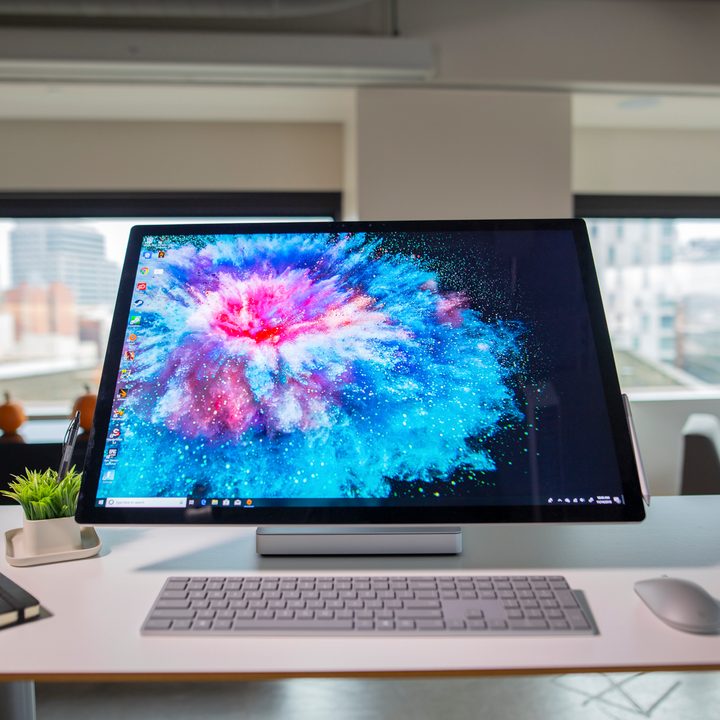
It’s unclear what Microsoft could be going for with the Surface Studio 3 and if it could get a big redesign. Judging from the past, a CPU refresh and GPU refresh might be the better option. Twelfth-generation Intel processors and Nvidia’s RTX 30-series graphics might be a good fit.
That would constitute a huge improvement over the GTX series graphics and the Core i7-7820HQ in Studio 2 which is now three years old. Microsoft’s partners, meanwhile, have released cool all-in-one systems like the HP Envy 32 and the Dell Inspiron 27 7000. A refresh of the Studio is long overdue.
Other than a follow-up to the Surface Studio 2, Microsoft is also working on refreshes of existing Surface devices. That includes the Laptop Go, which might get Intel’s 11th generation processors, a new Surface Pro with Intel’s 12th-gen processors, and a Surface Pro X with a new Microsoft SQ3 chip. Even the main Surface Laptop line will be upgraded according to Bowden. AMD Rembrandt and Intel’s 12th generation chips could end up in these devices.
As for the Surface Duo 3, it seems as though Microsoft might be putting that on hold. Bowden believes plans could change, but Microsoft is planning a 2023 release for the Duo 3, focusing on software issues with the Duo 2 and original Surface Duo instead.
And Windows 11? Bowden’s sources tell him that the next update for Windows 11 could come in the summer of 2022. Giving developers access to make third-party widgets, a wider dark mode, and bringing back missing functions in the Taskbar are all things Microsoft is focusing on.
Even ARM-based computers are a big area of focus for the company in 2022. A new devkit with a flagship processor based on Qualcomm’s Snapdragon 8cx Gen3 could be coming in the new year.


