  1. Home
  2. Computing
  3. News

Trump’s upcoming tariffs could make PCs and laptops pricier

Add as a preferred source on Google
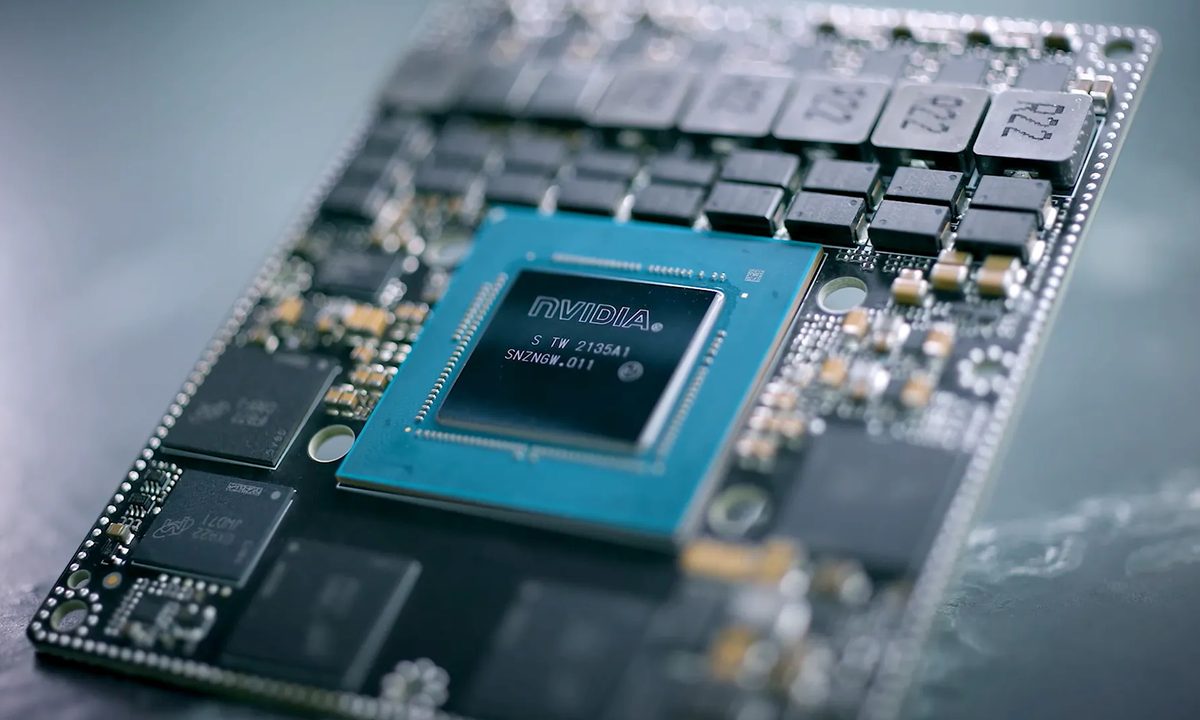
Nvidia T239 chip.
Nvidia

President Donald Trump is preparing to announce new tariffs on imported semiconductors as early as this week, signaling a broader push to bring advanced manufacturing back to the United States. According to a report by Reuters, the move comes amid escalating trade tensions, and it may soon be followed by additional duties on smartphones, laptops, and other electronics.

Speaking aboard Air Force One, Trump said the goal is to reduce U.S. reliance on foreign-made chips. “We want to make our chips and semiconductors and other things in our country,” he said, emphasizing the need to re-shore critical parts of the tech supply chain. “You have to show a certain flexibility. Nobody should be so rigid,” he added, alluding to potential exemptions for companies that meet specific criteria.

Recommended Videos

Commerce Secretary Howard Lutnick confirmed that while smartphones and computers were initially exempted from tariffs in last week’s China trade package, they are expected to face separate levies within two months. A new national security trade probe into the chip and electronics supply chain is also underway, laying the groundwork for further measures.

Markets have reacted sharply to the ongoing uncertainty. The S&P 500 has dropped over 10% since Trump returned to office in this year. Bill Ackman, a Trump supporter but tariff critic, urged the president to pause China tariffs for 90 days and temporarily lower them to 10%, arguing it would still shift supply chains without major disruption.

Critics from both parties have expressed concern. Senator Elizabeth Warren called the administration’s approach “erratic and economically dangerous,” warning that such policies risk pushing the U.S. toward a recession.

Despite the backlash, Trump’s team insists the new tariffs are a strategic necessity to protect U.S. industry and national security. With global supply chains still fragile, the move could reshape how and where the world’s tech products are made.

Kunal Khullar
Kunal Khullar is a computing writer at Digital Trends who contributes to various topics, including CPUs, GPUs, monitors, and…
AI’s chip hunger could keep memory prices painfully high for years
Memory shortages may haunt your next phone, laptop, and GPU for years
Crucial Memory and SSD

While recent reports claimed that memory prices may not fall till 2027, it seems like the memory chip crunch isn't a short-term headache. And that's bad news for anyone hoping phone, laptop, and GPU prices will get cheaper again soon.

Reuters reports that SK Group chairman Chey Tae-won said the global chip wafer shortage is likely to last until 2030, with artificial intelligence demand continuing to outpace the supply. Chey said the current shortage could remain above 20%, largely because AI systems require huge amounts of high-bandwidth memory and therefore burn through a lot of wafers.

Read more
One of the most controversial US agencies is reportedly taste-testing Anthropic uber-powerful Mythos AI
The agency's reported use of Mythos highlights a widening split inside the US government over AI risk
Claude AI on an iPhone.

The US government's AI fight just got harder to square. The National Security Agency is reportedly using Anthropic's Mythos Preview even as senior Pentagon officials keep pushing to cut the company off over supply chain concerns. It shows how quickly real security needs can outrun official policy.

Since February, the Defense Department has been trying to block Anthropic and push vendors to do the same. Yet, according to an Axios report, the NSA appears to be moving ahead with one of the company's most powerful models anyway, suggesting cybersecurity demand is carrying more weight than the feud now playing out inside government.

Read more
AI streaming is going mainstream in China, whether audiences want it or not
IQiyi wants AI to make most of its content someday, and it's already starting.
man holding tablet watching iQiyi

China's Netflix, iQiyi, is making one of the biggest bets in streaming history. The company wants AI to create the bulk of its films and shows someday soon, and it's already restructuring its 16-year-old business to make that happen.

At its annual content showcase in Beijing, founder and CEO Gong Yu announced that iQiyi is pivoting its popular streaming platform into a social media destination built around AI-generated content. 

Read more